Elevator Pitch
Definition: An elevator pitch is a brief, persuasive speech that you use to spark interest in what your organization does. It is a quick summary of your business, typically delivered in 30 to 60 seconds — about the duration of an elevator ride.

Purpose:
- To quickly engage and interest the listener.
- To provide a concise overview of your business or idea.
- To initiate a conversation or meeting for a more detailed discussion.
Key Characteristics:
- Length: Very short, usually 30-60 seconds.
- Content: Includes the problem, solution, unique value proposition, and a call to action.
- Format: Verbal delivery, often in informal or spontaneous settings.
Example: “Hi, I’m [Your Name], the founder of [Your Company], where we provide [brief description of the product/service]. We help [target audience] solve [problem] by [how you solve it]. Our unique approach [unique value proposition]. I’d love to tell you more about it and see how we can work together.”
Pitch Deck
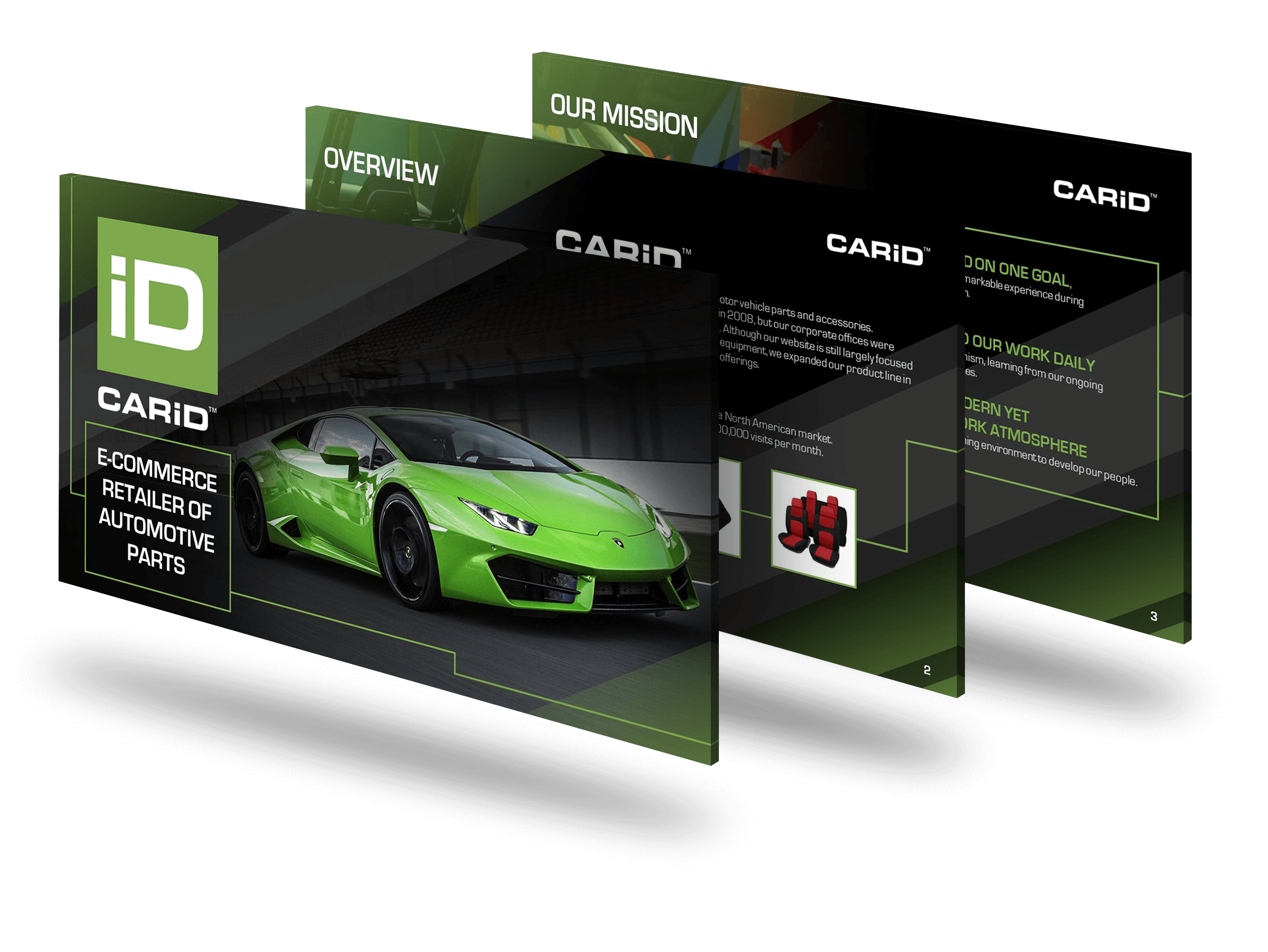
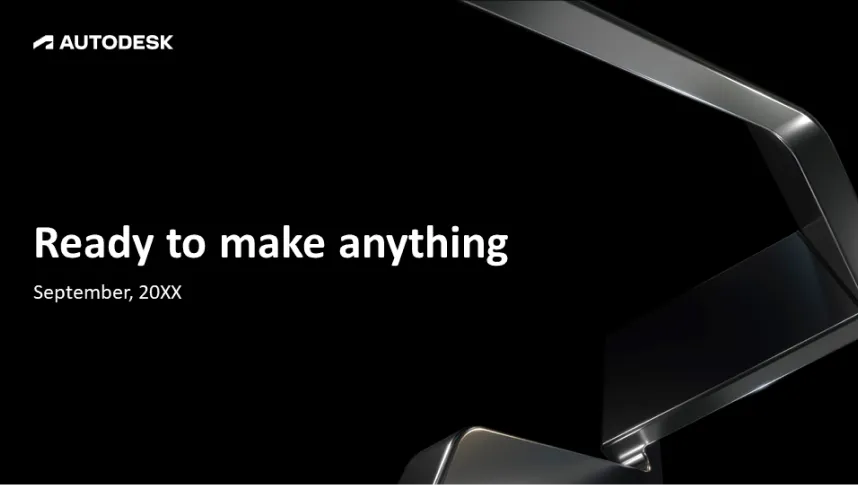
Definition: A pitch deck is a presentation, typically created using PowerPoint or similar software, used to provide potential investors with a detailed overview of your business plan, products, services, and growth potential.
Purpose:
- To provide a comprehensive overview of your business to potential investors, partners, or stakeholders.
- To support your oral presentation during meetings with visuals and detailed information.
- To persuade investors to fund your business.
Key Characteristics:
- Length: Typically 10-20 slides.
- Content: Includes detailed sections on the problem, solution, market opportunity, business model, traction, competitive analysis, financial projections, team, and funding needs.
- Format: Visual and textual presentation, used in formal settings like investor meetings, conferences, or pitch competitions.
Example Outline:
- Cover Slide: Company name, logo, and tagline.
- Problem: Clearly define the problem your business addresses.
- Solution: Describe your product or service.
- Market Opportunity: Market size and target audience.
- Business Model: Revenue streams and pricing strategy.
- Traction: Key milestones and achievements.
- Competitive Analysis: Competitors and your advantages.
- Marketing and Sales Strategy: How you will attract and retain customers.
- Financial Projections: Revenue forecasts and key financial metrics.
- Team: Key team members and their backgrounds.
- Funding Ask: How much funding you need and how it will be used.
- Call to Action: Next steps and contact information.
Summary
- Length: 30-60 seconds.
- Content: Brief overview.
- Use: Informal settings, quick introductions.
Pitch Deck:
- Length: 10-20 slides.
- Content: Detailed business plan.
- Use: Formal presentations, investor meetings.
By understanding the differences between an elevator pitch and a pitch deck, you can effectively use each tool in the appropriate context to communicate your business idea and persuade potential investors or partners.
View Our Pitch Deck Portfolio