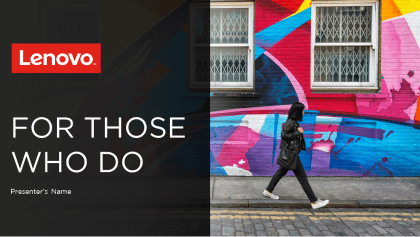
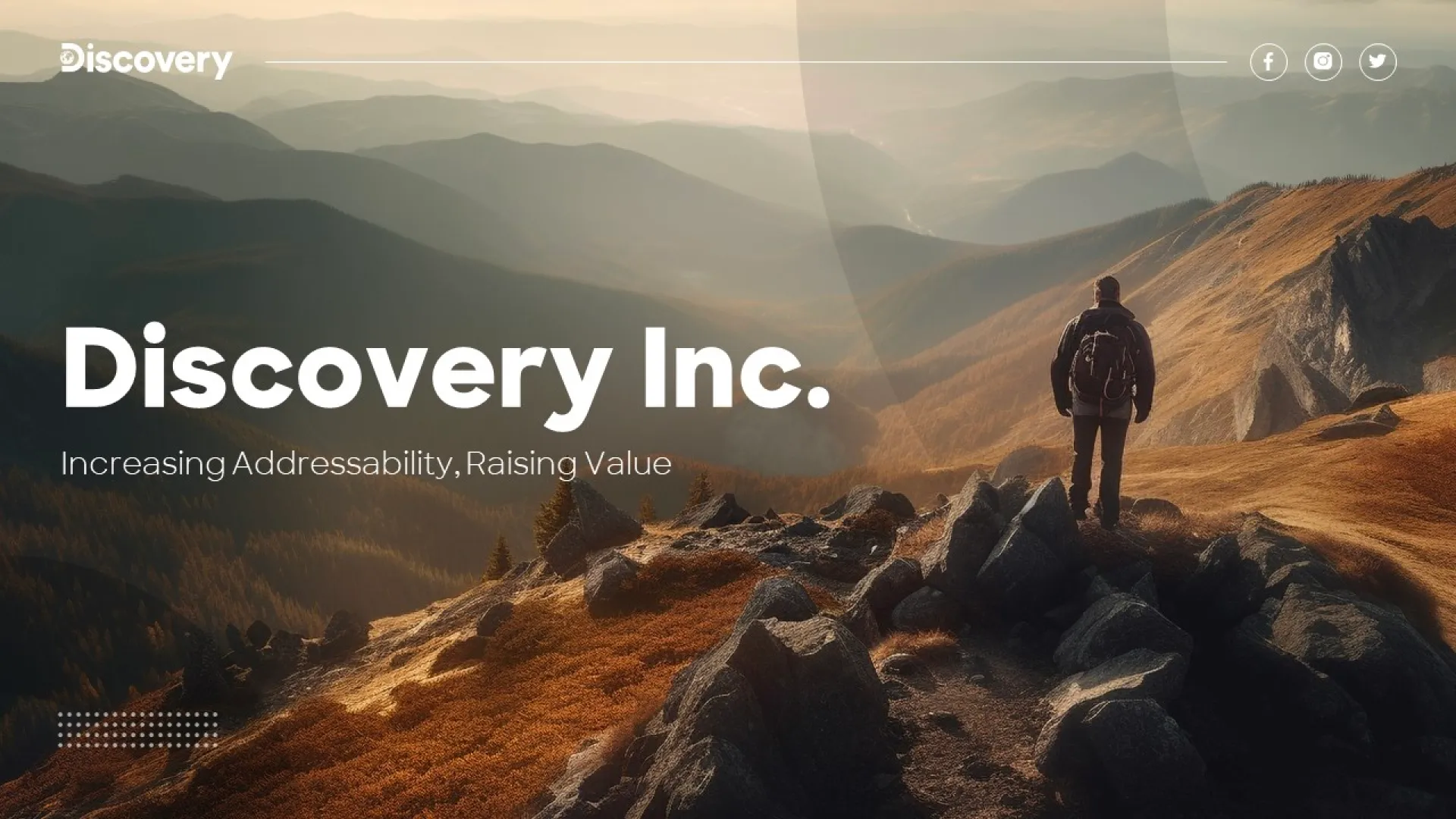
Effective nonprofit pitch decks share several core qualities: they lead with a compelling problem statement rooted in real data, follow with a clearly articulated mission and theory of change, and close with a specific, urgent ask. Unlike for-profit decks that emphasize return on investment, nonprofit pitch decks must balance emotional storytelling with fiscal accountability. The most successful examples — including decks used by organizations in the education and public health sectors — typically run between 12 and 18 slides and are structured so that a donor or grant committee can grasp the organization’s full value proposition within the first three slides.
One of the most commonly studied structures in nonprofit fundraising circles is the ‘problem-solution-proof’ arc. The deck opens with a stark, data-backed articulation of the problem — for example, citing that 1 in 5 children in a target region lack access to clean water, or that recidivism rates in a specific county exceed 60% within three years of release. The solution slide then explains exactly how the organization intervenes, using plain language rather than jargon. The ‘proof’ section covers program outcomes with specific metrics: number of people served, percentage improvement in a measurable indicator, and cost per beneficiary. This structure is effective because it mirrors the evaluation criteria that most institutional funders use when reviewing grant applications.
A common mistake nonprofits make is spending too many slides on organizational history and not enough on outcomes and financials. Funders — whether individual major donors or foundation program officers — want to understand what their money will accomplish, not how the organization was founded. Another frequent error is omitting a clear, dollar-specific ask. A pitch deck that closes with ‘we welcome your support’ is far weaker than one that says ‘a $50,000 grant will fund our after-school literacy program for 200 students over 12 months.’ Specificity builds trust and makes it easier for the funder to say yes. Decks should also include a simple budget breakdown showing program costs versus administrative overhead, aiming to demonstrate that at least 70-80% of funds go directly to programs.
- Lead your first slide with a single, striking statistic — such as ’43 million Americans live in food-insecure households’ — paired with a one-sentence mission statement that frames your solution directly.
- Include a ‘theory of change’ diagram on slide 3 or 4 that visually maps inputs, activities, outputs, and long-term outcomes so funders can see your causal logic at a glance.
- Use a real beneficiary story — anonymized if necessary — with before-and-after details to create emotional resonance that raw data alone cannot provide for your audience.
- Show a 3-year financial snapshot with a revenue diversification breakdown, demonstrating that you are not 100% dependent on a single grant source or donor category.
- Add a ‘program results’ slide featuring at least two independently verified metrics, such as a third-party evaluation finding or a published outcome study, to establish credibility with skeptical funders.
- Present your team slide with specific credentials relevant to the mission — for example, a public health nonprofit should highlight staff with MPH degrees or clinical field experience in the target community.
- Close with a tiered ask slide that lists two or three giving levels ($25,000, $50,000, $100,000) and explains precisely what each level funds, making it easier for funders of varying capacities to engage.
The strongest nonprofit pitch decks treat the funder as a partner, not simply a check-writer, and that philosophy should show in every slide. As a practical next step, review your existing deck against the ‘problem-solution-proof’ framework and identify which slides are doing real persuasive work versus which are filling space. This approach works best for major donor meetings, foundation grant pitches, and board recruitment presentations. It is less suited for mass email fundraising campaigns or social media appeals, which require a completely different format and level of brevity.
Need a presentation that wins the room? SlideGenius designs custom, high-impact decks for brands like Red Bull, Amazon, and Adidas. Browse our presentation design portfolio, explore our PowerPoint design services, or contact us for a free quote.