Ensuring the safety and security of a PowerPoint presentation service comes down to evaluating several overlapping layers of protection: data encryption, access controls, privacy policies, and the vendor’s compliance certifications. A trustworthy service will encrypt your files both in transit (using TLS 1.2 or higher) and at rest (using AES-256 encryption), will clearly state who owns your uploaded content, and will hold recognized compliance certifications such as SOC 2 Type II or ISO 27001. Before uploading any sensitive slides, you should read the service’s privacy policy to confirm it does not train AI models on your content or sell data to third parties.
One of the most common mistakes people make is assuming that a free or low-cost presentation tool automatically offers enterprise-grade security. In reality, many consumer-tier plans store files on shared servers without granular access controls, meaning a misconfiguration could expose your files to other users. Paid tiers or dedicated business plans typically include features like role-based permissions, audit logs, and single sign-on (SSO) integration with identity providers such as Okta or Microsoft Entra ID. If your presentation contains confidential business data, financial projections, or personally identifiable information (PII), a consumer plan is almost never appropriate regardless of how well-reviewed the tool is.
Compliance certifications are a strong proxy for security maturity, but they are not a guarantee of zero risk. SOC 2 Type II, for example, means an independent auditor reviewed the service’s security controls over a period of at least six months — this is more meaningful than a one-time SOC 2 Type I audit. Similarly, GDPR compliance matters if your presentation includes data about EU residents, because it legally obligates the provider to handle that data responsibly and report breaches within 72 hours. Always ask the provider for their most recent audit report or compliance summary, and be cautious of services that cannot produce one on request.
- Check that the service uses TLS 1.2 or TLS 1.3 for all data transfers, which you can verify by inspecting the padlock icon in your browser and reviewing the connection details.
- Look for AES-256 encryption at rest in the service’s security documentation, since weaker encryption standards like AES-128 are more vulnerable to brute-force attacks over time.
- Review the terms of service specifically for clauses about content ownership and AI training, because some platforms claim a broad license to use uploaded files for model improvement without explicit opt-out.
- Enable two-factor authentication (2FA) on your account immediately after signing up, using an authenticator app rather than SMS, which is more resistant to SIM-swapping attacks.
- Use the service’s sharing settings to apply password protection and expiration dates to shared presentation links, preventing indefinite access by unintended recipients.
- If uploading proprietary or confidential slides, test the service’s data deletion process by deleting a dummy file and confirming through customer support that it is permanently removed from all backups within a stated timeframe.
- For team environments, configure role-based access controls so that editors, viewers, and admins each have only the minimum permissions required for their specific task.
The practical next step is to create a short security checklist before committing to any presentation service: confirm encryption standards, read the privacy policy for data-use clauses, verify compliance certifications, and test the 2FA setup. If the service cannot clearly answer questions about where your data is stored or how long it is retained, treat that as a disqualifying red flag. Keep in mind that no service is perfectly risk-free — if a presentation contains highly sensitive trade secrets or regulated health information, consider building and storing it locally rather than relying on any cloud-based tool, regardless of its security credentials.
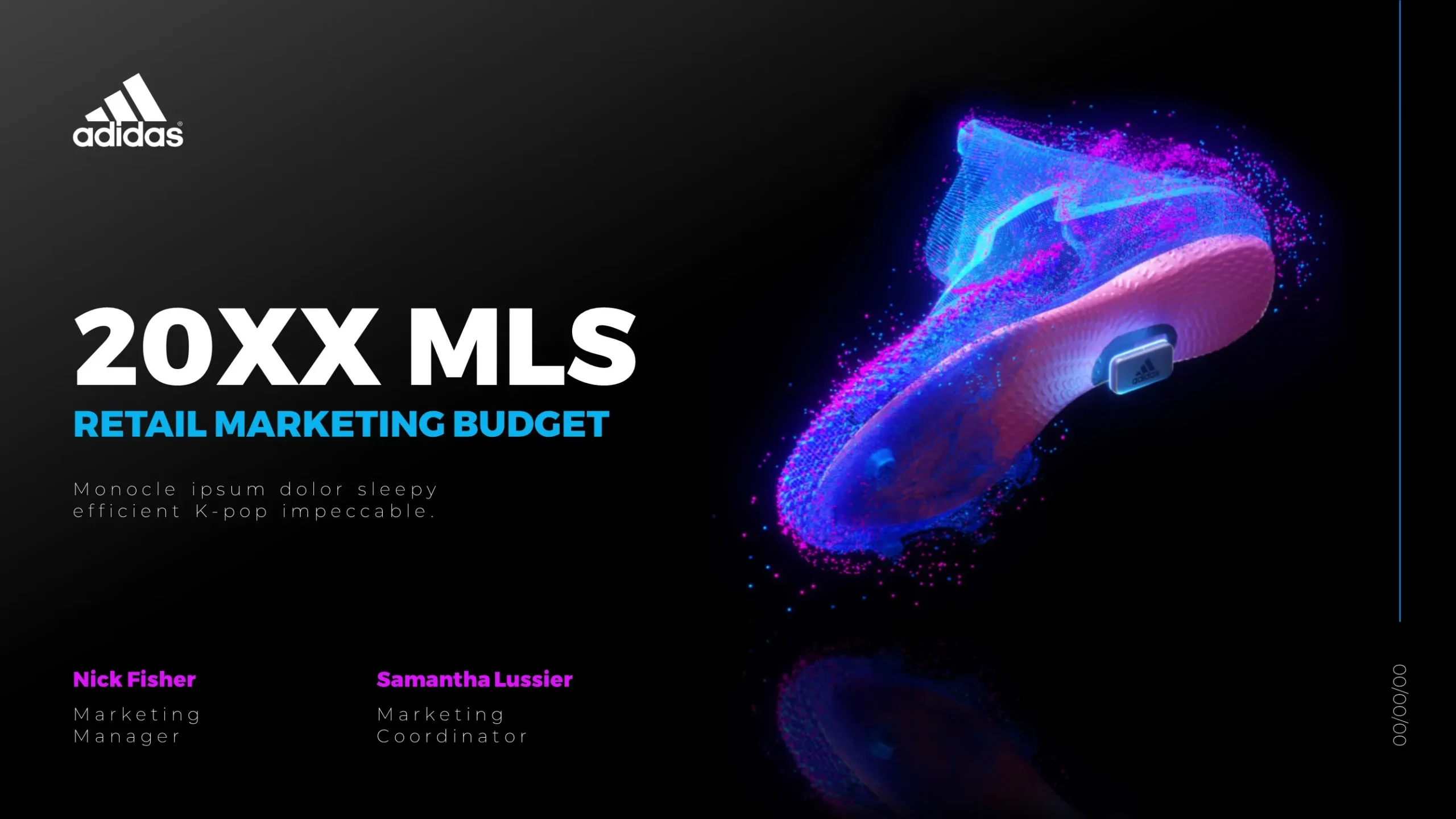
Need a presentation that wins the room? SlideGenius designs custom, high-impact decks for brands like Red Bull, Amazon, and Adidas. Browse our presentation design portfolio, explore our PowerPoint design services, or contact us for a free quote.