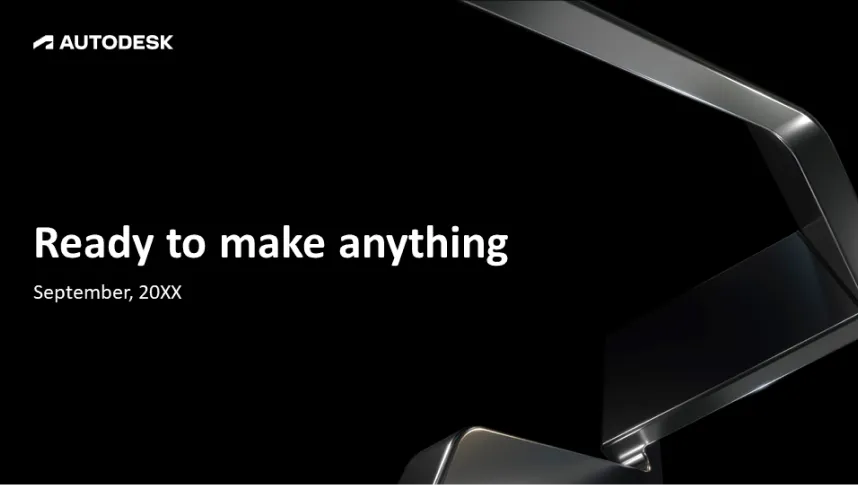
Responsibility for creating presentation designs in a company is rarely fixed to a single role — it depends heavily on the organization’s size, structure, and the presentation’s purpose. In large enterprises, a dedicated graphic designer or a brand/visual communications team typically owns template creation, slide masters, and high-stakes executive decks. In mid-sized companies, a marketing department usually handles polished presentations for external audiences, while individual contributors or team leads build internal decks themselves. In startups, almost everyone pitches in, and the person with the most design sensibility — regardless of job title — often ends up owning presentation output.
When a presentation is tied directly to a business function, ownership often follows the content rather than the design. A sales team will own pitch decks because they understand client objections and deal context; a product manager will own roadmap slides because they hold the strategy; a finance analyst will own investor presentations because they control the numbers. In these cases, design responsibility becomes a shared effort: the content owner builds the structure and messaging, while a designer (internal or freelance) refines the visual execution. This handoff model works well but frequently breaks down when timelines are tight or communication is poor, leading to last-minute, inconsistently branded slides.
Many companies introduce a brand guidelines document or a locked PowerPoint/Google Slides template to bridge the gap between content owners and design quality. When employees can access pre-approved slide layouts, icon sets, approved color palettes (such as a defined hex code like #0057B7 for a corporate blue), and approved font pairings, the design responsibility effectively shifts to maintaining consistency rather than creating from scratch. Some organizations go further by appointing a presentation specialist — a hybrid role combining visual design skills with storytelling ability — who acts as an internal consultant across departments. This role is increasingly common in management consulting firms, financial institutions, and tech companies with frequent board-level reporting requirements.
- A marketing manager typically owns external-facing presentations such as trade-show decks, ensuring brand alignment and that messaging reflects current campaign strategy.
- An executive assistant or chief of staff often assembles CEO keynote presentations by gathering input from multiple department heads and formatting it into a cohesive narrative structure.
- A sales enablement team builds and maintains modular pitch decks, creating standardized slide libraries so individual account executives can customize without breaking brand guidelines.
- A UX or graphic designer in the product department might own investor-update slides, especially when visual product walkthroughs or data visualizations require professional-grade design software like Figma or Adobe Illustrator.
- A financial analyst is usually responsible for earnings presentations and board reports, with the expectation that design is secondary to data accuracy and narrative clarity.
- A freelance presentation designer is brought in for high-stakes one-off events — such as a Series B fundraising pitch or a company-wide all-hands — when internal resources lack the bandwidth or design expertise needed.
- In organizations over 500 employees, a corporate communications team often governs all external presentation standards, reviewing decks for tone, legal compliance, and visual consistency before they leave the company.
The most practical takeaway is to establish clear ownership before a presentation project begins, not during it. Decide whether the content owner or a dedicated designer holds final sign-off on visuals, and ensure both parties have access to up-to-date brand assets. If your company lacks a formal process, start with a shared template library (even a simple Google Slides master with 8-10 approved layouts) and assign one person per department as the ‘presentation point of contact.’ Note that this structure applies less effectively to very small teams of under 10 people, where flexibility and speed matter more than formal role delineation.
Need a presentation that wins the room? SlideGenius designs custom, high-impact decks for brands like Red Bull, Amazon, and Adidas. Browse our presentation design portfolio, explore our PowerPoint design services, or contact us for a free quote.