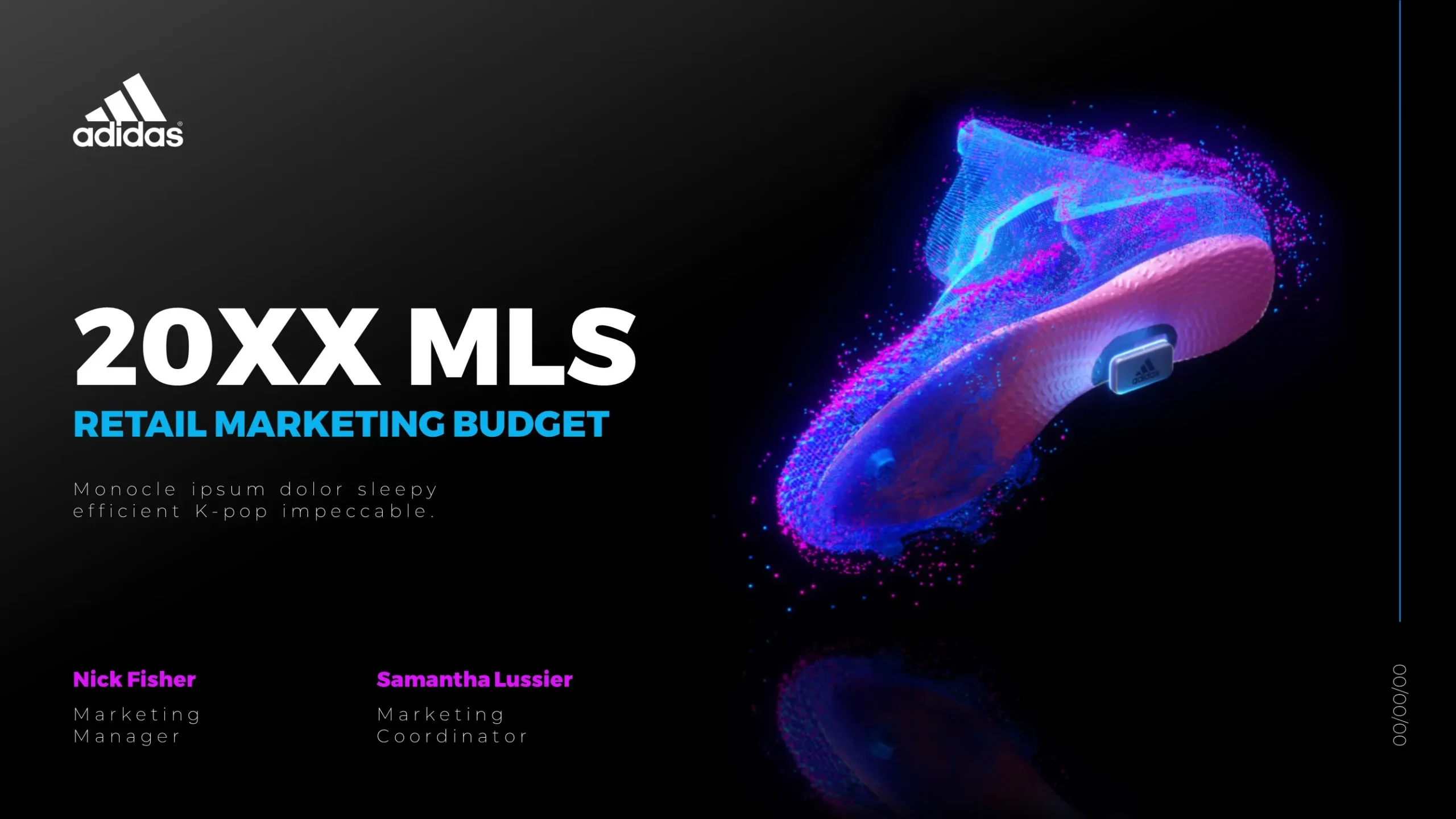
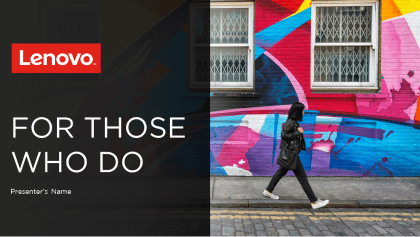
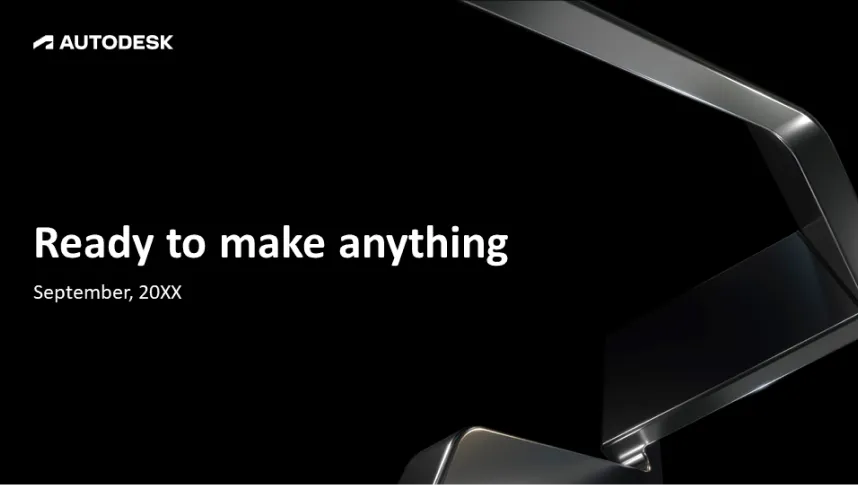
Finding a high quality pitch deck sample PDF requires knowing where to look and how to evaluate what you find. The best sources include startup pitch archives like SlideShare (which hosts thousands of real decks from funded companies), dedicated design resource platforms, and venture capital blogs that publish annotated examples. Well-known decks from companies like Airbnb, Sequoia Capital’s template, and Buffer’s transparency deck have been widely shared as free PDFs and serve as genuine benchmarks. Beyond just downloading a file, you want samples that show both the visual design layer and the narrative arc — how slides build a story from problem to solution to ask.
Before downloading any sample, it is worth understanding what a pitch deck actually needs to accomplish structurally. A strong deck typically runs 10-15 slides and follows a proven narrative sequence: problem, solution, market size, business model, traction, team, and funding ask. Many beginner designers focus only on aesthetics — color palettes, icon sets, font pairings — while neglecting the information hierarchy that makes investors keep turning pages. A PDF sample is most useful when it shows you how content density is managed per slide, how data visualizations are sized relative to body text, and how white space is used intentionally rather than as an accident of sparse content.
One common mistake when using sample PDFs as design references is copying the surface-level style without understanding the underlying grid system. Professional decks almost always use a consistent column-based layout — typically a 12-column grid adapted to a 16:9 widescreen format — and every element snaps to that invisible structure. Another mistake is ignoring file format nuances: a PDF exported from a tool like Figma or PowerPoint will behave differently in print versus screen viewing, and a sample that looks polished on screen may have blurry charts at 100% zoom due to rasterized graphics. When evaluating a sample, zoom in to 150% to check vector quality before committing to that design approach.
- Search ‘Airbnb original pitch deck PDF’ to find their 2009 Series A slide set, which demonstrates how to communicate a complex marketplace idea in under 12 slides with minimal text per frame.
- Visit the DocSend Startup Index for aggregated data on which slide sections investors spend the most time reading, giving you empirical guidance on where to invest design effort.
- Download the official Sequoia Capital pitch template as a free PDF or PPTX to use its slide order as a structural backbone before adding your own visual identity.
- Use SlideShare’s filter for ‘most downloaded’ in the Business category to surface decks that practitioners have actually found valuable, rather than relying on search ranking alone.
- Check Y Combinator’s publicly available resources and alumni blog posts, as several funded founders have released their exact decks including annotation notes explaining each design decision.
- When studying any sample, recreate one slide from scratch in your presentation tool of choice — this forces you to notice spacing, font sizes, and margin widths that you would otherwise overlook by just viewing the PDF passively.
- Look for samples that include a ‘traction slide’ with a real growth chart, since visualizing metrics with an upward curve at the right scale is one of the most technically challenging design problems in a pitch deck.
The most practical next step is to download two or three samples from different industries — say, a SaaS deck, a consumer app deck, and a hardware startup deck — and compare them side by side at the same zoom level. This cross-comparison reveals which design choices are universal best practices and which are industry-specific conventions. Keep in mind that sample PDFs are references, not templates to clone; copying too closely without adapting to your own brand and content context will produce a deck that feels generic. This approach is less useful if your presentation is for an internal corporate audience, where a formal slide master from your company’s brand guidelines should take precedence over startup-style pitch conventions.
Need a presentation that wins the room? SlideGenius designs custom, high-impact decks for brands like Red Bull, Amazon, and Adidas. Browse our presentation design portfolio, explore our PowerPoint design services, or contact us for a free quote.