An animation pitchbook should function as a complete, self-contained argument for why your project deserves funding and production resources. At minimum, it needs to communicate the core creative vision, the commercial viability, and the team’s capability to execute — all within a visually compelling document. The most successful pitchbooks balance emotional storytelling with hard business logic, meaning you should never let one overwhelm the other. A great concept with no market analysis reads as a passion project; strong financials with weak creative direction signals a soulless cash-grab. Both extremes will lose you the room before you finish your pitch.
The creative foundation of your pitchbook should open with a logline — a single sentence of no more than 25 words that captures tone, protagonist, and central conflict — followed immediately by a longer series synopsis. After that, dedicate a section to your bible elements: world-building details, episode or segment structure, and the emotional journey across the full arc of the project. Include character sheets for your three to five principal characters, each with a visual reference and a short paragraph on motivation, voice, and narrative function. If your pilot episode or proof-of-concept short is complete, a QR code linking directly to a private streaming URL is far more persuasive than a written description alone.
Many pitchbooks fail not because the creative is weak but because the business section is thin or missing entirely. Investors need to understand the target audience demographic with specificity — for example, ‘children aged 6–11 in North American and UK markets, with secondary licensing potential for the 25–40 nostalgia demographic’ is infinitely stronger than ‘families.’ Include a competitive landscape page that names comparable titles by genre and format, and explains in two to three sentences how your project occupies a gap or improves on an existing formula. Budget estimates, even rough ones broken into pre-production, production, and post-production phases, demonstrate that you understand the financial reality of animation. If you have obtained any letters of intent from distributors, voice talent, or co-production partners, include them as an appendix — even informal expressions of interest lend legitimacy.
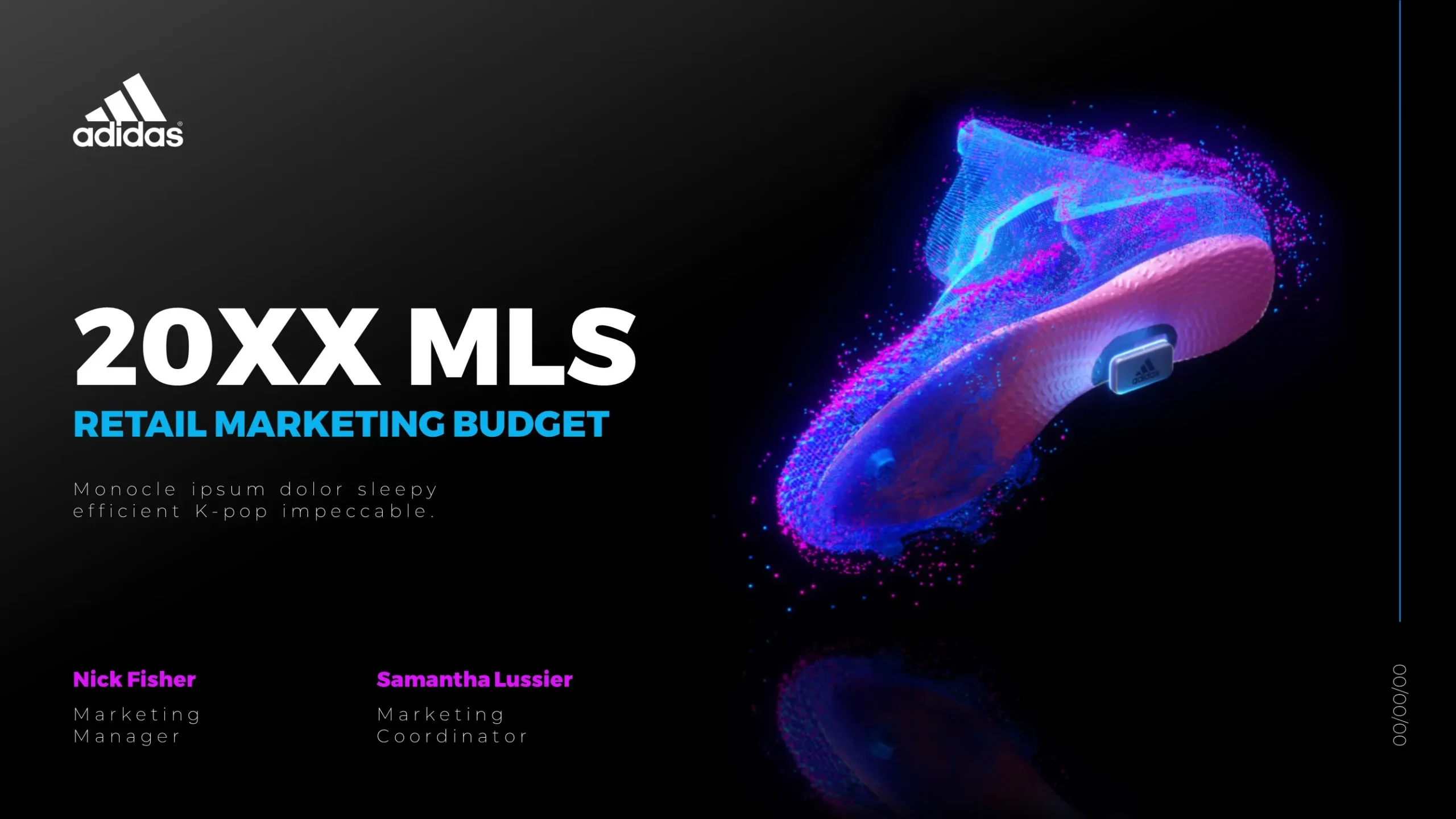
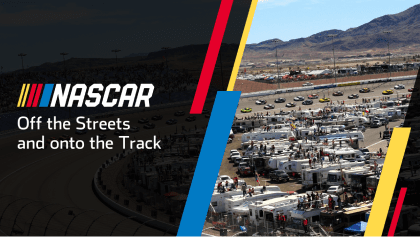
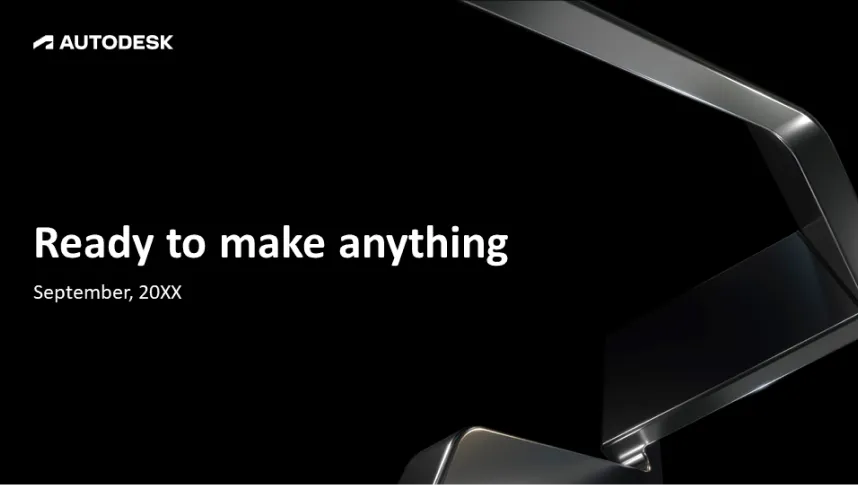
- Lead with a visually striking title page that communicates the show’s tone immediately through typography, color palette, and a single hero image of your main character — first impressions take less than three seconds and set the interpretive frame for everything that follows.
- Include a one-page ‘series at a glance’ overview that summarizes format, episode count, runtime per episode, and intended platform or distribution window so decision-makers can qualify your project without reading the full document.
- Provide three to five episode synopses beyond the pilot to demonstrate that the premise has enough depth and variety to sustain an entire season without repeating itself too early.
- Add a production pipeline breakdown specifying your animation style — for example, 2D vector, stop-motion hybrid, or stylized 3D — along with your intended software pipeline such as Toon Boom Harmony or Blender, and estimated turnaround per episode.
- Dedicate one full page to your team’s credentials, highlighting relevant production credits, festival recognition, or platform relationships, since investors fund people as much as they fund ideas.
- Show three to five distinct merchandise or licensing categories — apparel, toys, mobile games, soundtracks — with a brief note on comparable licensing revenue figures from shows in similar genres to ground the opportunity in real numbers.
- Close the pitchbook with a clear call to action page that states exactly what you are asking for: a specific funding amount, a co-production agreement, or a development deal, along with your preferred timeline for next steps.
The most practical takeaway is to build two versions of your pitchbook: a dense 20-25 page document for serious meetings where decision-makers have time to review, and a punchy 8-10 page ‘leave-behind’ version for cold submissions or festival pitch sessions where attention is scarce. Keep in mind that this approach works best for episodic formats like series or anthology projects; a standalone animated feature film requires a different structure that emphasizes theatrical release windows and awards strategy rather than episodic licensing. Review your draft with someone outside the animation industry — if they can explain your concept back to you after one read, your pitchbook is working as intended.
Need a presentation that wins the room? SlideGenius designs custom, high-impact decks for brands like Red Bull, Amazon, and Adidas. Browse our presentation design portfolio, explore our PowerPoint design services, or contact us for a free quote.