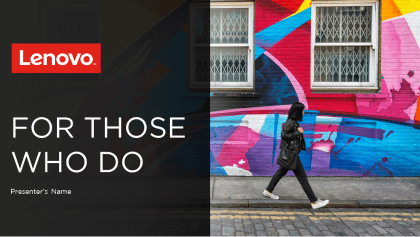
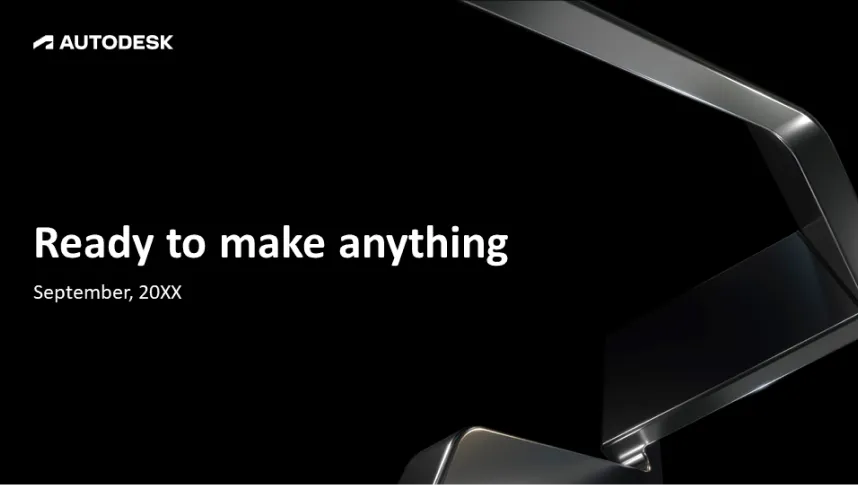
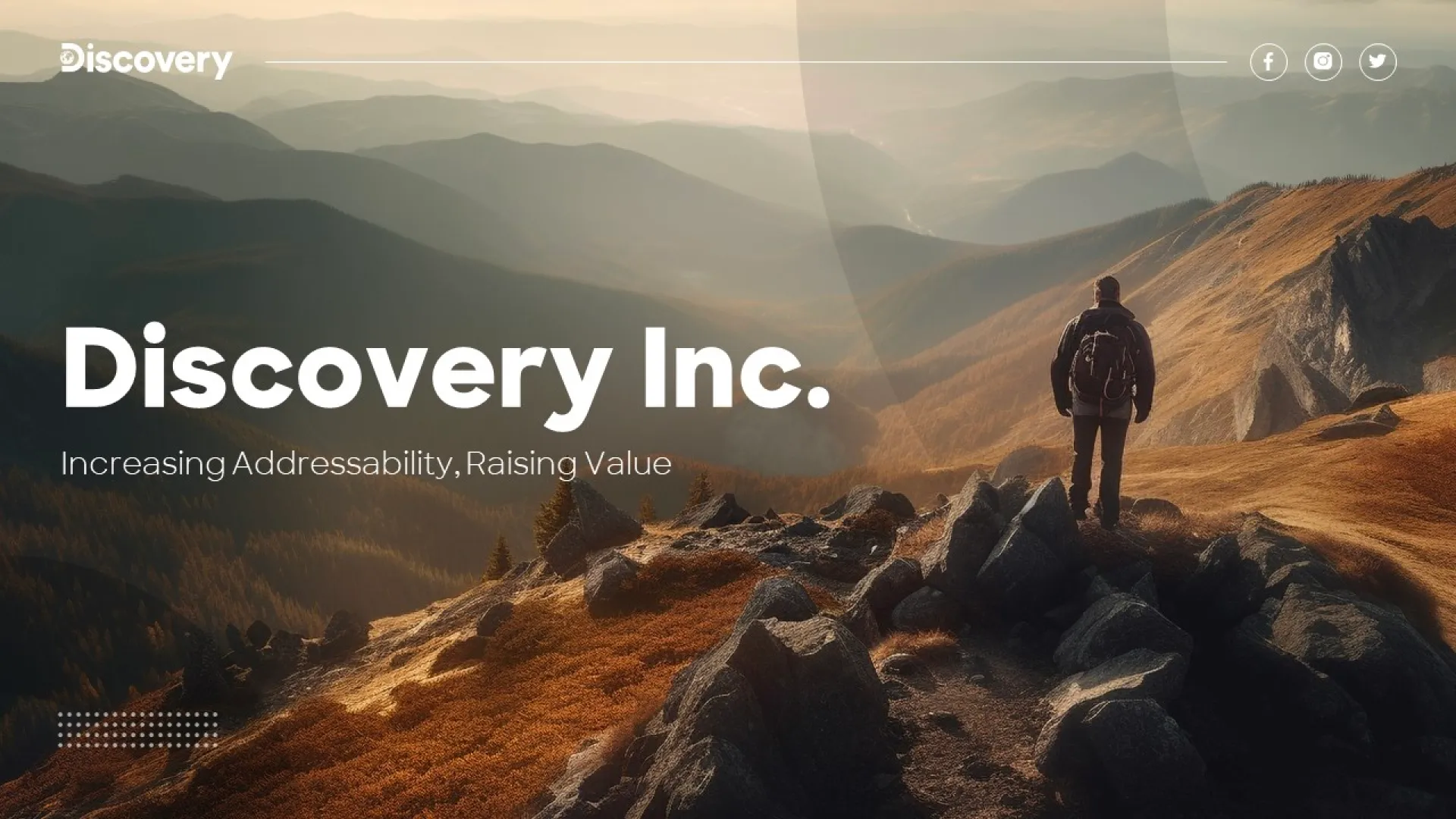
A non-confidential pitch deck should cover your core business story while deliberately omitting proprietary details that could harm you if the deck circulates freely. At minimum, include a clear problem statement, your proposed solution, a market size overview, your business model at a high level, a summary of traction or milestones, and a brief team introduction. The key difference from a confidential deck is that you present the what and why without revealing the how — no trade secrets, no unreleased product specs, no sensitive customer names, and no detailed financial projections that competitors could exploit.
Understanding the purpose of a non-confidential deck helps you strike the right balance. These decks are typically shared in open settings — startup competitions, public investor forums, warm introductions where no NDA has been signed, or early-stage networking events. Because you cannot control who eventually sees the file, every slide should pass a simple test: ‘Would I be comfortable if my top competitor read this tomorrow?’ If the answer is no, abstract or remove that detail. For example, instead of naming a Fortune 500 client under a pilot program, write ‘a leading enterprise retailer with over 500 locations,’ which conveys credibility without disclosing a confidential relationship.
A common mistake founders make is either over-sharing by including full financial models and proprietary methodology, or under-sharing by removing so much that the deck loses persuasive power. The sweet spot is a narrative-driven deck that makes investors or partners curious enough to request a follow-up meeting where a confidential version, protected by an NDA, can be shared. Think of the non-confidential deck as your movie trailer, not the full film. It should generate excitement and signal competence without giving away the plot. Decks in the 10-15 slide range tend to perform best in this format — enough depth to be taken seriously, concise enough to be shared and read quickly.
- Include a problem slide with a specific, relatable pain point backed by a publicly available statistic, such as citing an industry report figure to establish market urgency without revealing your proprietary research.
- Add a solution overview slide that describes the outcome your product delivers in plain language, focusing on user benefit rather than the underlying technical architecture or algorithm that gives you a competitive edge.
- Present a market opportunity slide using publicly sourced TAM, SAM, and SOM figures — for instance, referencing a Statista or IBISWorld market estimate — rather than internal models built from confidential customer data.
- Include a business model slide that explains how you generate revenue at a category level, such as ‘subscription with usage-based upsells,’ without disclosing specific pricing tiers, contract values, or margin percentages.
- Add a traction slide that shows momentum using indexed or percentage-based metrics — for example, ‘3x revenue growth over 12 months’ — rather than absolute numbers that reveal your current scale to competitors.
- Feature a team slide highlighting relevant credentials, prior exits, and domain expertise, since this is almost always safe to share publicly and is one of the strongest trust-building elements in any deck.
- Close with a clear call-to-action slide that specifies exactly what you are asking for — a meeting, a pilot discussion, or an introduction — so the audience knows the next step without requiring you to follow up with an explanation.
Before you finalize your non-confidential deck, run it past a trusted advisor or co-founder with fresh eyes and ask them to flag anything that feels like it reveals too much. Label the file itself as ‘Non-Confidential’ in the footer of every slide so recipients understand the context. Keep a separate, more detailed version for due-diligence conversations conducted under NDA. This approach does not work well for highly technical deep-tech pitches where investors need to evaluate your core IP early — in those cases, consider using a short teaser deck first to get to an NDA before sharing anything substantive.
Need a presentation that wins the room? SlideGenius designs custom, high-impact decks for brands like Red Bull, Amazon, and Adidas. Browse our presentation design portfolio, explore our PowerPoint design services, or contact us for a free quote.