An investor pack — sometimes called an investor deck or information memorandum — is a structured collection of documents and slides that gives potential investors everything they need to evaluate your business with confidence. At minimum, it should include an executive summary, a clear problem-and-solution narrative, your business model, market size data, financial projections, team credentials, a funding ask with use-of-funds breakdown, and an appendix of supporting evidence. The exact contents vary depending on whether you are raising a seed round, a Series A, or pitching to angel investors, but the core logic remains the same: answer every material question before it is asked.
The executive summary is arguably the most critical single page in the entire pack. It distills your entire proposition into a half-page or one-page overview that a busy investor can read in under two minutes and decide whether to continue. Think of it as a trailer for the rest of the document. Immediately following that, your problem and solution section must be concrete — not abstract. For example, instead of writing ‘businesses struggle with data,’ you would write ‘mid-sized logistics companies lose an average of 14 hours per week reconciling spreadsheet-based inventory records.’ That specificity signals that you have done real market research rather than assembled a generic pitch.
Your market size analysis should break down the Total Addressable Market (TAM), Serviceable Addressable Market (SAM), and Serviceable Obtainable Market (SOM) with cited sources, not guesswork. A common mistake founders make is presenting a massive TAM figure — say, ‘the global software market is worth $600 billion’ — without showing the realistic slice they can capture in years one through three. Investors see through inflated market framing instantly. Your financial projections section should cover at least a 36-month forward view, with monthly granularity for year one and quarterly for years two and three, alongside your key assumptions spelled out explicitly so investors can stress-test them.
- Include a one-page executive summary that names your product, target customer, revenue model, current traction metrics, and the specific funding amount you are seeking, all in plain language.
- Add a traction slide that shows concrete proof points such as monthly recurring revenue growth, pilot customer names (with permission), or a letter of intent signed by a named enterprise client.
- Present your business model with a worked numeric example — for instance, show how a single customer paying £500 per month generates £6,000 annual contract value at a 70% gross margin.
- Provide a competitive landscape matrix comparing your solution against two or three existing alternatives across five dimensions like price, scalability, and integration capability.
- Include a team slide that highlights each founder’s directly relevant experience, specifying years in the industry and any prior exits or domain-specific achievements that reduce perceived risk.
- Attach a use-of-funds breakdown that allocates the raised capital into specific categories — for example, 40% product development, 35% sales and marketing, 15% operations, 10% contingency — with a timeline for each milestone.
- Append a risk register in the appendix that honestly identifies your top three to five business risks alongside your mitigation strategy for each, which demonstrates maturity and builds investor trust.
A well-constructed investor pack typically runs between 15 and 25 slides or pages for the main document, with a deeper appendix for due-diligence materials. If you are at the pre-seed stage with little revenue, weight the pack toward your team credentials and market validation research. If you are post-revenue, weight it toward financial performance and growth metrics. This approach does not apply if you are raising a friends-and-family round at an extremely early stage — in that context, a two-page overview and a honest conversation often serve better than a polished formal pack. Whichever stage you are at, tailor every section to the specific investor type you are approaching rather than distributing a generic one-size-fits-all document.
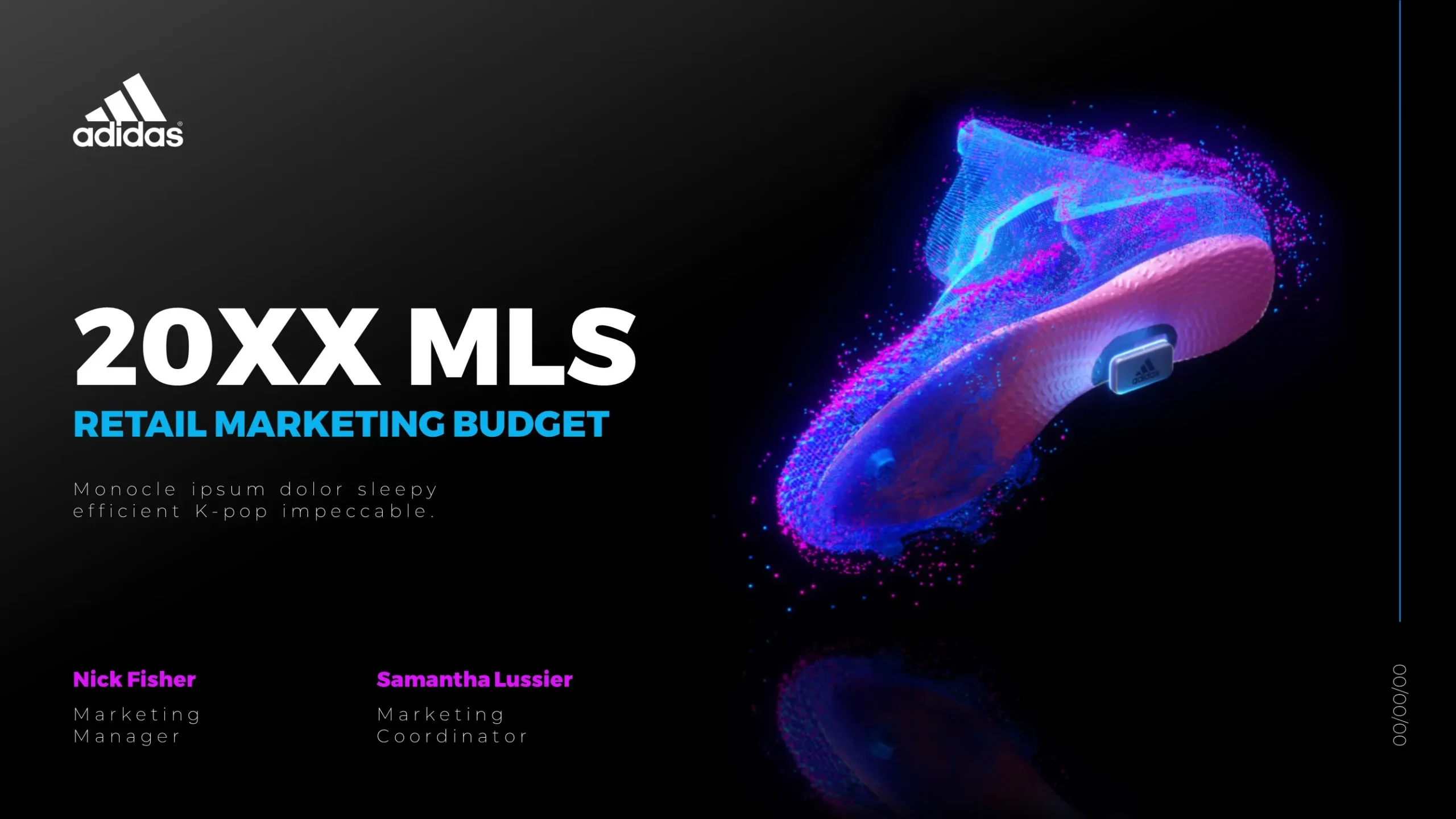
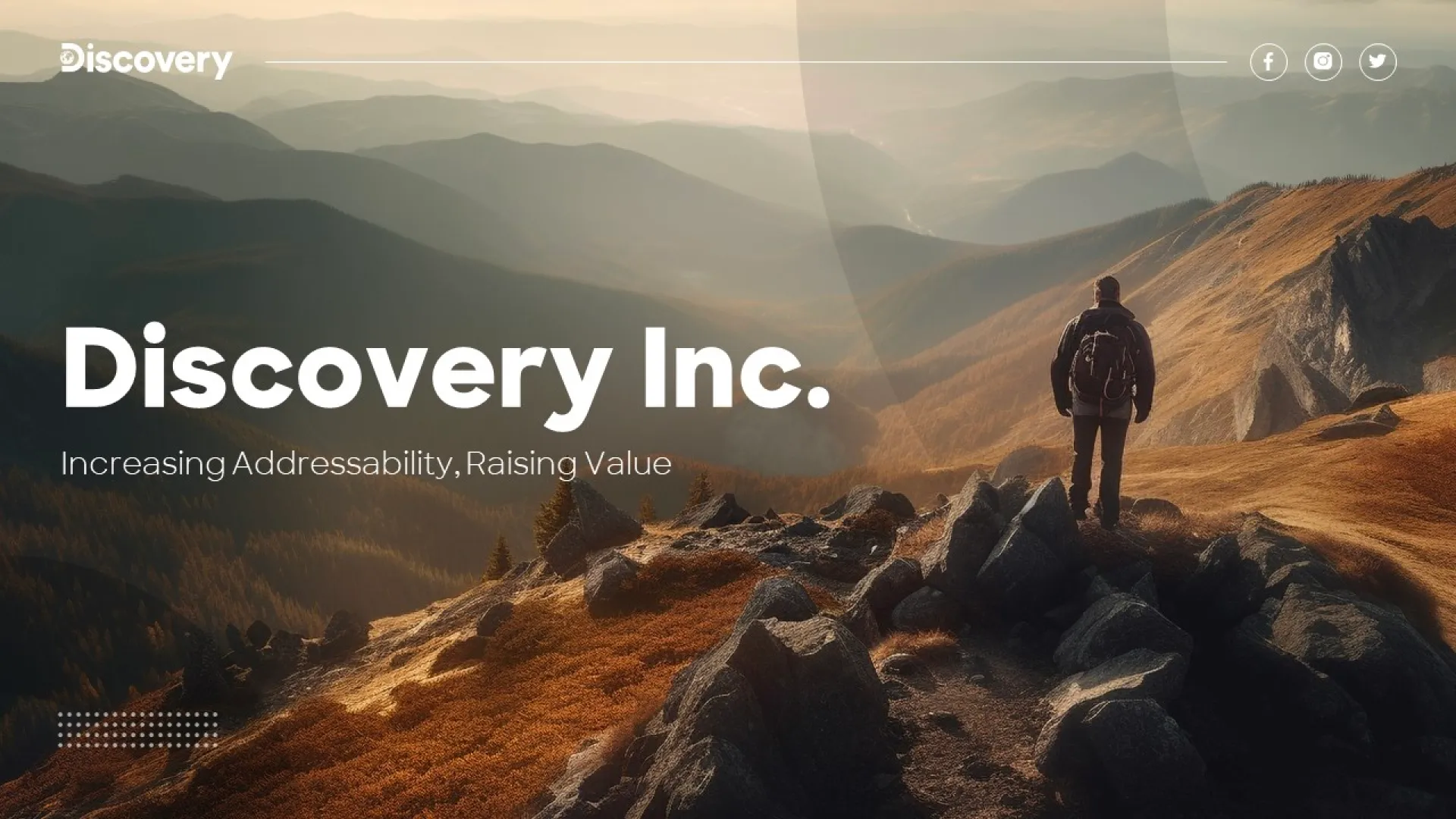
Need a presentation that wins the room? SlideGenius designs custom, high-impact decks for brands like Red Bull, Amazon, and Adidas. Browse our presentation design portfolio, explore our PowerPoint design services, or contact us for a free quote.