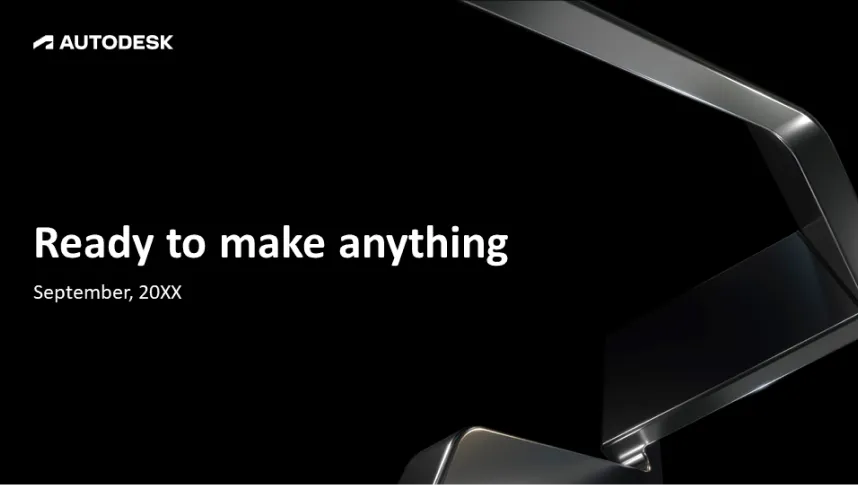
A slide wizard is a guided, step-by-step design tool built into many presentation software platforms that walks you through the process of creating structured, visually consistent slides by prompting you to enter content, choose themes, and apply layouts in a predefined sequence. Rather than starting from a blank canvas and making dozens of individual design decisions, the wizard handles alignment, font pairing, color schemes, and spacing automatically as you input your information. This dramatically lowers the barrier to entry for users who lack graphic design experience, while still producing slides that look polished and professional. The result is a faster workflow and a more cohesive final deck.
The core value of a slide wizard lies in its ability to enforce design consistency across an entire presentation without requiring the creator to manually match colors, fonts, or layout grids slide by slide. When you enter a headline, supporting text, and an image placeholder into the wizard’s prompts, it maps each element to a pre-tested layout template that has already been validated for visual hierarchy and readability. This is particularly useful in professional environments where brand guidelines must be followed precisely — the wizard can be configured to lock in approved hex color codes, typefaces like a company’s licensed font, and logo placement zones so that every output automatically complies with brand standards. Common mistakes like mismatched font sizes between slides or inconsistent padding around text boxes are eliminated by default.
Beyond basic layout, more advanced slide wizards incorporate content intelligence features that analyze the text you enter and suggest the most appropriate slide structure for that type of information. For instance, if you type in a list of five sequential steps, the wizard might recommend a process-flow layout with numbered icons rather than a plain bullet list, which is a subtle but meaningful upgrade that improves audience comprehension. Some platforms allow you to define the tone or goal of a presentation — such as ‘persuasive pitch’ versus ‘data report’ — and the wizard adjusts its layout suggestions accordingly. The tradeoff is that heavy reliance on wizard-driven design can produce slides that feel templated or generic if you never customize the output beyond what the wizard provides.
- Use the wizard’s theme-selection step to lock in a consistent color palette early, ideally choosing 2-3 accent colors that align with your audience’s industry expectations, such as cool blues for finance or warm neutrals for lifestyle brands.
- When the wizard offers a layout library, select a ‘big statement’ full-bleed layout for your opening slide to immediately establish visual authority and set the tone for the rest of the deck.
- Take advantage of placeholder prompts by drafting your raw content into the wizard’s text fields first, then refining the language after seeing how it fits the allocated space, which prevents overcrowding.
- If the wizard supports grid-snapping or smart alignment guides, leave them enabled throughout your entire session to ensure every element lands on a consistent baseline, eliminating manual pixel-nudging.
- Review the wizard’s auto-generated slide order suggestion critically — it often follows a problem-solution-proof structure that works well for pitches but may need reordering for tutorial or training presentations.
- Export a duplicate copy of your wizard-generated master slide before customizing individual slides, so you always have a clean baseline template to return to if experimental edits go wrong.
- Use the wizard’s speaker-notes prompt feature, if available, to draft talking points simultaneously with slide creation, which keeps your on-screen text minimal and your delivery notes thorough.
The practical takeaway is that a slide wizard is most powerful as a starting engine, not a finishing tool. Use it to rapidly scaffold your full deck structure, establish consistent visual rules, and eliminate early design paralysis — then invest your remaining time in customizing the specific slides that carry your most important ideas. For a concrete next step, open your presentation tool, locate the wizard or ‘guided creation’ option in the new-file menu, and run through one complete deck using only its prompts before modifying anything manually. Keep in mind that slide wizards are less effective when your content is highly visual, data-dense, or requires custom infographics, where manual design gives you far more expressive control.
Need a presentation that wins the room? SlideGenius designs custom, high-impact decks for brands like Red Bull, Amazon, and Adidas. Browse our presentation design portfolio, explore our PowerPoint design services, or contact us for a free quote.