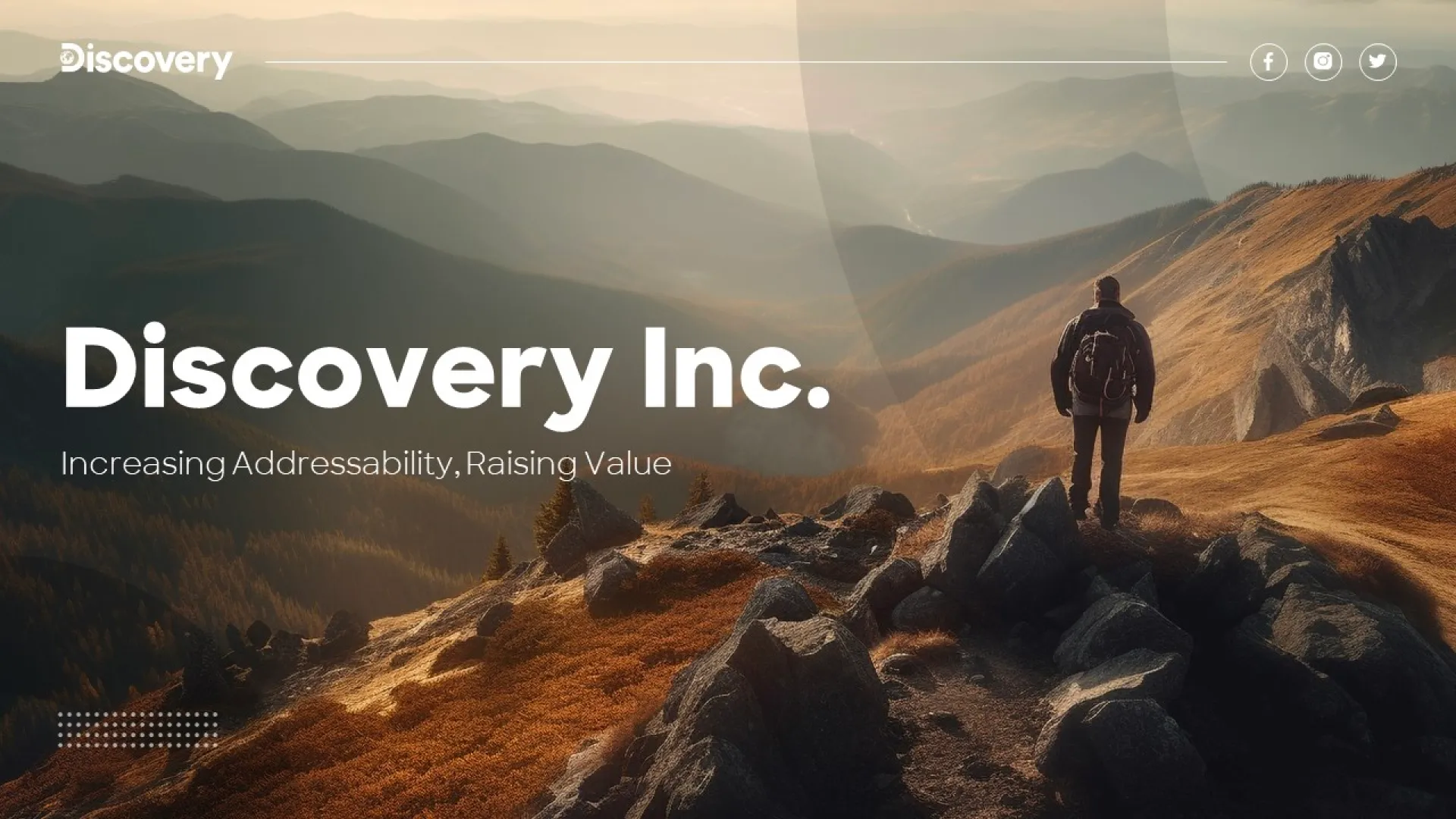
Sequoia Capital’s recommended pitch deck format is one of the most widely referenced frameworks in the startup fundraising world, and for good reason — it distills a complex business story into a disciplined, investor-friendly narrative arc. The framework, which Sequoia has shared publicly through their resources for founders, typically runs 15–20 slides and follows a specific sequence: Purpose, Problem, Solution, Why Now, Market Size, Product, Business Model, Team, Financials, and Competition. Each section is designed to answer a specific question an experienced investor would ask, building logical momentum from the pain point all the way through to why your team is uniquely positioned to win.
The philosophy behind Sequoia’s format is that great pitches tell a story rather than dump data. The deck opens with a crisp Purpose statement — essentially a one-sentence explanation of what the company does and why it exists. This is immediately followed by the Problem slide, which should articulate the pain point with enough specificity that a non-expert investor can viscerally feel the gap in the market. Founders frequently make the mistake of skipping or abbreviating this section, rushing to the solution before the investor is emotionally bought into the problem. Sequoia explicitly advises against this — the problem slide sets the stakes for everything that follows.
The Why Now slide is one of the most underrated and misunderstood elements of the Sequoia framework. Many founders omit it entirely, treating their deck as a static snapshot of a business rather than a time-sensitive investment thesis. Sequoia includes it deliberately because investors want to understand what has changed — technologically, regulatorily, or behaviorally — that makes this the right moment for this particular solution to succeed. For example, a company building on large language model infrastructure might cite the 2022–2023 cost curve collapse in GPU compute as the enabling condition. Without a compelling ‘why now,’ even a strong product slide can feel like it’s solving a problem that could have been solved five years ago.
- The Purpose slide should be a single, jargon-free sentence that even a non-technical investor could repeat at a partner meeting without paraphrasing incorrectly.
- The Problem slide works best when it includes a concrete customer anecdote or a quantified pain point, such as ‘the average mid-market company spends 14 hours per week on manual reconciliation.’
- The Why Now slide should name at least one external forcing function — a regulatory shift, a platform change, or a documented behavioral trend — that specifically enables your solution today.
- The Market Size section should present TAM, SAM, and SOM distinctly, with a bottoms-up calculation for the serviceable market rather than relying solely on top-down analyst reports from firms like Gartner or IDC.
- The Business Model slide should state your primary revenue mechanism, average contract value or ARPU, and early unit economics data such as CAC and LTV ratio, even if they are preliminary.
- The Team slide should highlight domain-specific credentials and prior founder or operator experience relevant to this exact problem, not just alma maters or prestigious employers.
- The Financials slide should include a 3-year projection with clearly stated assumptions, along with the specific use of funds being requested in the current round.
Using the Sequoia format is a strong foundation, but it is not a guarantee of success and should be adapted to your company’s actual stage. Seed-stage companies with little revenue data should lean heavily into team, vision, and market dynamics rather than financial projections, which will be speculative. Conversely, Series A decks should front-load traction metrics like month-over-month growth rate, net revenue retention, and cohort data. If your product is highly visual or experiential — such as a consumer app or hardware device — consider inserting a brief demo or product screenshots before the business model slide. The Sequoia structure is a storytelling skeleton; the flesh must come from your specific evidence, customers, and insight.
Need a presentation that wins the room? SlideGenius designs custom, high-impact decks for brands like Red Bull, Amazon, and Adidas. Browse our presentation design portfolio, explore our PowerPoint design services, or contact us for a free quote.