An automatic PowerPoint designer is a built-in or AI-powered feature that analyzes the content you add to a slide — such as text, images, charts, or bullet points — and instantly suggests professionally formatted layout options without requiring you to manually adjust fonts, spacing, alignment, or color schemes. Instead of building slides from scratch, you simply type your content or drop in an image, and the tool generates multiple design variants in real time, allowing you to pick the one that best fits your presentation’s tone and purpose. This dramatically reduces the time spent on visual formatting and helps users with little to no design experience produce polished, consistent slides.
The concept emerged from the recognition that most presentation creators spend a disproportionate amount of time on aesthetics rather than content. Microsoft’s Designer feature (formerly called Design Ideas), introduced broadly in Microsoft 365, is the most widely known implementation. When you type a title or insert a photo on a blank slide, the Designer panel automatically opens on the right side of the screen and offers 5 to 10 layout suggestions using SmartArt, icon sets, and harmonized color palettes. The feature uses machine learning models trained on thousands of professionally designed slides to predict which layout will look best given your specific combination of elements.
There is an important distinction between template-based design tools and truly automatic designers. A template simply pre-defines fonts and colors, but you still have to manually place and resize every element. An automatic designer goes further by understanding the relationship between content elements — for example, recognizing that three parallel bullet points might be better displayed as a three-column visual layout, or that a single large image deserves a full-bleed background treatment with overlaid text. Some standalone tools, such as presentation platforms that use generative AI, can even produce an entire multi-slide deck from a plain-text outline in under 60 seconds, choosing appropriate visual metaphors for each concept automatically.
Common mistakes people make when using automatic designers include accepting the first suggestion without exploring alternatives, ignoring brand consistency (the AI doesn’t know your company’s exact hex color codes unless configured), and over-relying on the tool for data-heavy slides like complex financial charts where human judgment about emphasis and hierarchy is still critical. Most implementations let you apply your own theme first and then run the automatic designer on top of it, which gives you the best of both worlds — brand compliance plus intelligent layout optimization.
- When you paste a block of text containing exactly three parallel ideas, the automatic designer will often convert them into a visual triangle or three-icon layout to improve scannability and audience retention.
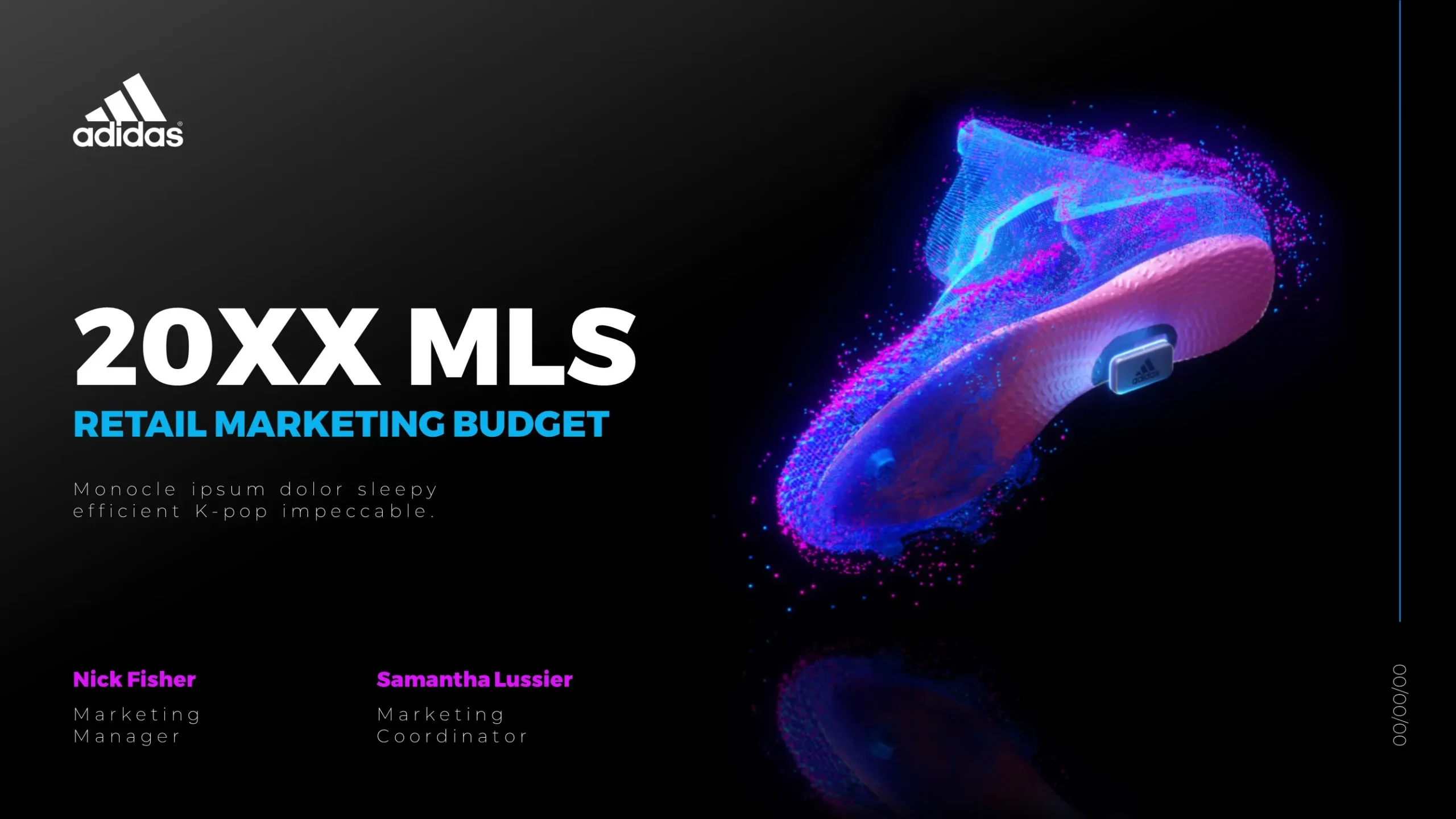
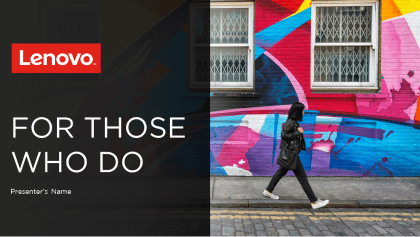
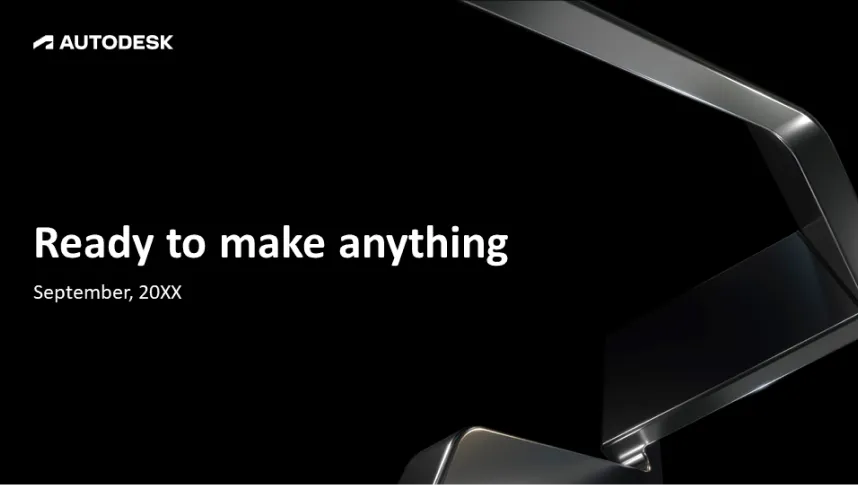
- Inserting a high-resolution photograph triggers the designer to suggest full-bleed or split-screen layouts, automatically adjusting text contrast so it remains readable against the image background.
- In Microsoft 365, the Designer feature requires an active internet connection because the layout suggestions are generated server-side using cloud-based machine learning models, not local processing.
- If you pre-apply a custom brand theme with specific fonts and accent colors, the automatic designer will respect those constraints and only suggest layouts that use your approved palette, avoiding off-brand suggestions.
- For a timeline slide, entering four dates as bullet points can prompt the designer to automatically render a horizontal timeline graphic, replacing text-heavy content with a visually intuitive sequential flow.
- Some AI-powered platforms accept a plain-language prompt like ‘quarterly sales review for a retail audience’ and generate a complete 10-slide deck with placeholder charts, section headers, and suggested talking points in under one minute.
- You can reject all automatic suggestions and still benefit from the tool by using it as a creative starting point, then manually customizing the layout it produces to achieve a more unique visual result.
Automatic PowerPoint designers are most valuable when you need to produce a presentation quickly, when you lack formal design training, or when you’re working on an internal deck where speed matters more than pixel-perfect originality. A practical next step is to open a blank slide, type three to five bullet points about your topic, and observe which layout suggestions appear — this hands-on experiment takes less than two minutes and immediately demonstrates the tool’s capabilities. However, for high-stakes external pitches, investor decks, or brand campaigns, treat the automatic designer as a starting point rather than a final solution, and invest additional time in manual refinement to ensure every visual choice reinforces your specific message.
Need a presentation that wins the room? SlideGenius designs custom, high-impact decks for brands like Red Bull, Amazon, and Adidas. Browse our presentation design portfolio, explore our PowerPoint design services, or contact us for a free quote.