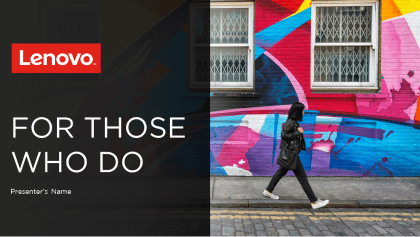
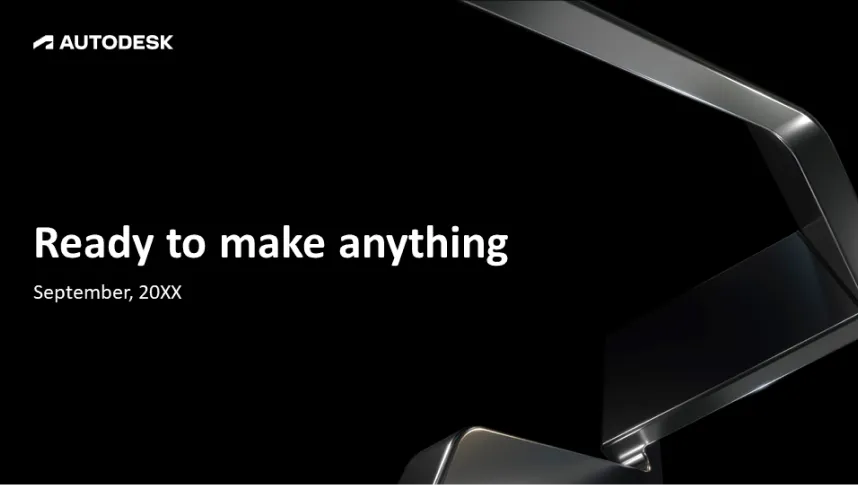
A teaser pitch deck is a condensed, high-impact version of a full investor or business pitch deck, typically ranging from 8 to 12 slides, designed to generate enough curiosity and credibility that the recipient asks for more information rather than receiving everything upfront. Unlike a comprehensive deck that walks through every financial model, operational detail, and market analysis, a teaser pitch deck strategically withholds depth while delivering a compelling narrative arc — covering the problem, solution, market opportunity, traction, and team in broad but persuasive strokes. It functions as the first handshake in a multi-stage conversation.
In presentation design, the teaser pitch deck occupies a unique structural role because it must do more communicative work with fewer slides. Every design decision — from typography hierarchy to data visualization — carries proportionally greater weight. A common mistake is treating the teaser as simply a ‘shortened’ full deck, cutting slides indiscriminately. Instead, skilled designers approach it as a distinct artifact with its own logic: the visual density should be lower, the narrative tension higher, and every slide should end with an implicit question that pulls the viewer forward. For example, a market-size slide might show a compelling total addressable market figure without immediately explaining the go-to-market strategy, leaving that for the follow-up meeting.
Teaser decks are most effective when distributed digitally in asynchronous contexts — sent via email to a warm contact list, shared through a document-sharing platform like Docsend where view analytics can be tracked, or posted in an investor community. In these settings, you have no presenter to compensate for weak slides, so the design must be entirely self-explanatory yet deliberately incomplete. A critical tradeoff to understand is the risk of under-communicating: if the deck is too sparse, recipients may simply move on rather than request more. The sweet spot is a deck that answers ‘what’ and ‘why it matters’ while leaving ‘how exactly’ and ‘what are the detailed financials’ as open invitations.
- Lead with a single-slide executive summary that frames the entire business in one sentence and one striking metric, such as ‘47% month-over-month growth,’ to immediately establish credibility and momentum.
- Use a consistent visual motif — for instance, a recurring color-coded icon system — that makes your slides instantly recognizable and signals that design quality reflects product quality.
- Keep the problem slide visceral and specific, citing a named industry report or a concrete scenario rather than vague statements about ‘inefficiency in the market.’
- Include a traction slide even if metrics are early-stage, because showing 200 paying beta users is far more persuasive than describing a feature roadmap with no validation behind it.
- Design your team slide to highlight domain-specific credibility — a founder with a prior exit in the same vertical, or an advisor with direct relationships to target enterprise buyers — rather than generic credentials.
- Limit the financial slide to a single forward-looking revenue projection chart for three to five years, deliberately omitting cost structure detail to create a natural agenda item for the follow-up call.
- End with a clear, specific ask — such as ‘seeking a 15-minute introductory call this month’ — rather than a vague closing slide, so the call-to-action drives a concrete next step.
When using a teaser pitch deck in your presentation design workflow, treat it as the opening move in a deliberate sequence: design the full deck first so you understand what to tease, then reverse-engineer the teaser to create maximum intrigue with minimum disclosure. This approach works best in pre-seed to Series B fundraising contexts and for partnership or enterprise sales outreach. It is less appropriate for investor conferences or demo days where you are presenting live and have time to go deeper — in those settings, a longer, fully-developed narrative deck will serve you better than a cliffhanger format.
Need a presentation that wins the room? SlideGenius designs custom, high-impact decks for brands like Red Bull, Amazon, and Adidas. Browse our presentation design portfolio, explore our PowerPoint design services, or contact us for a free quote.