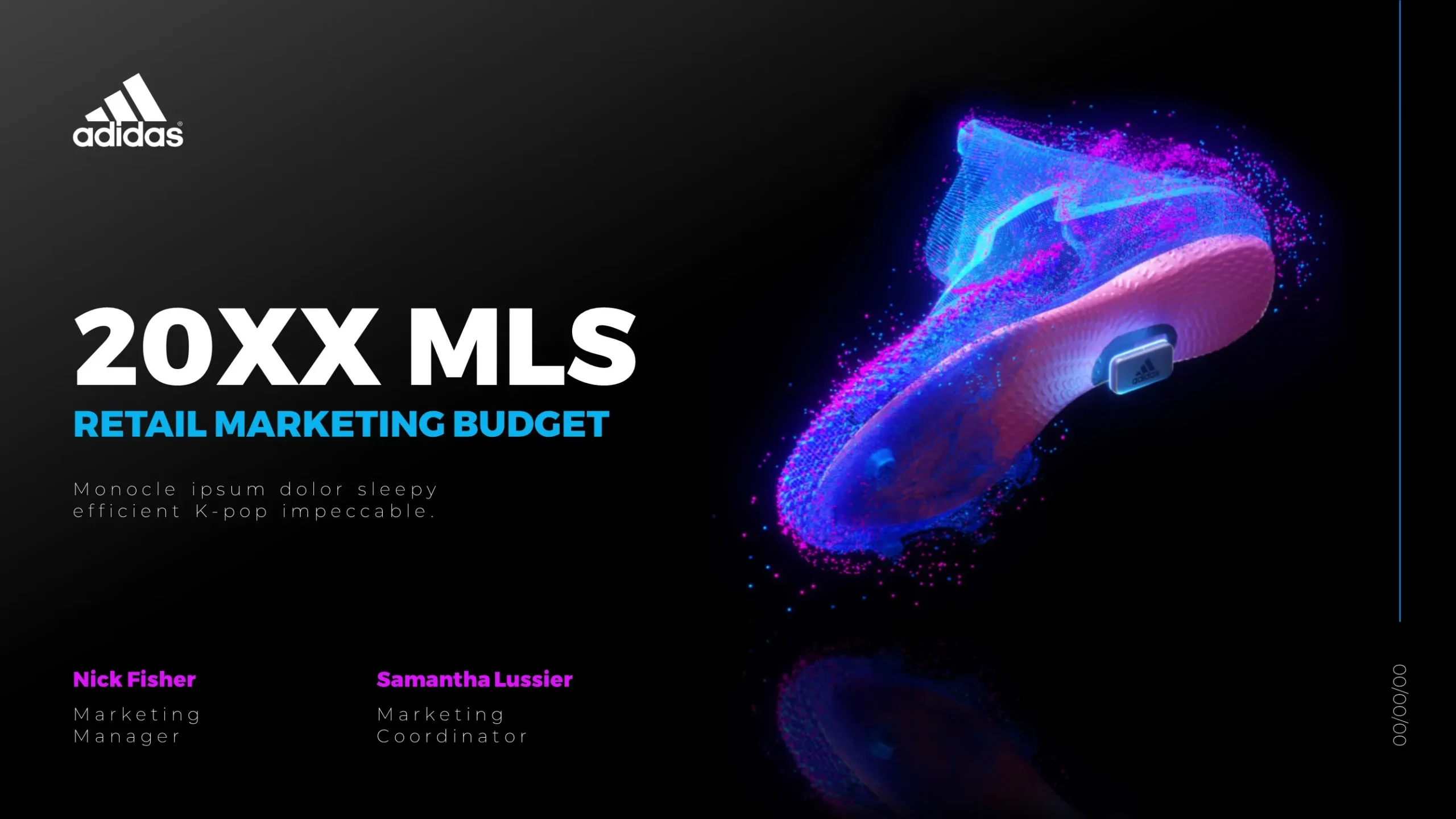
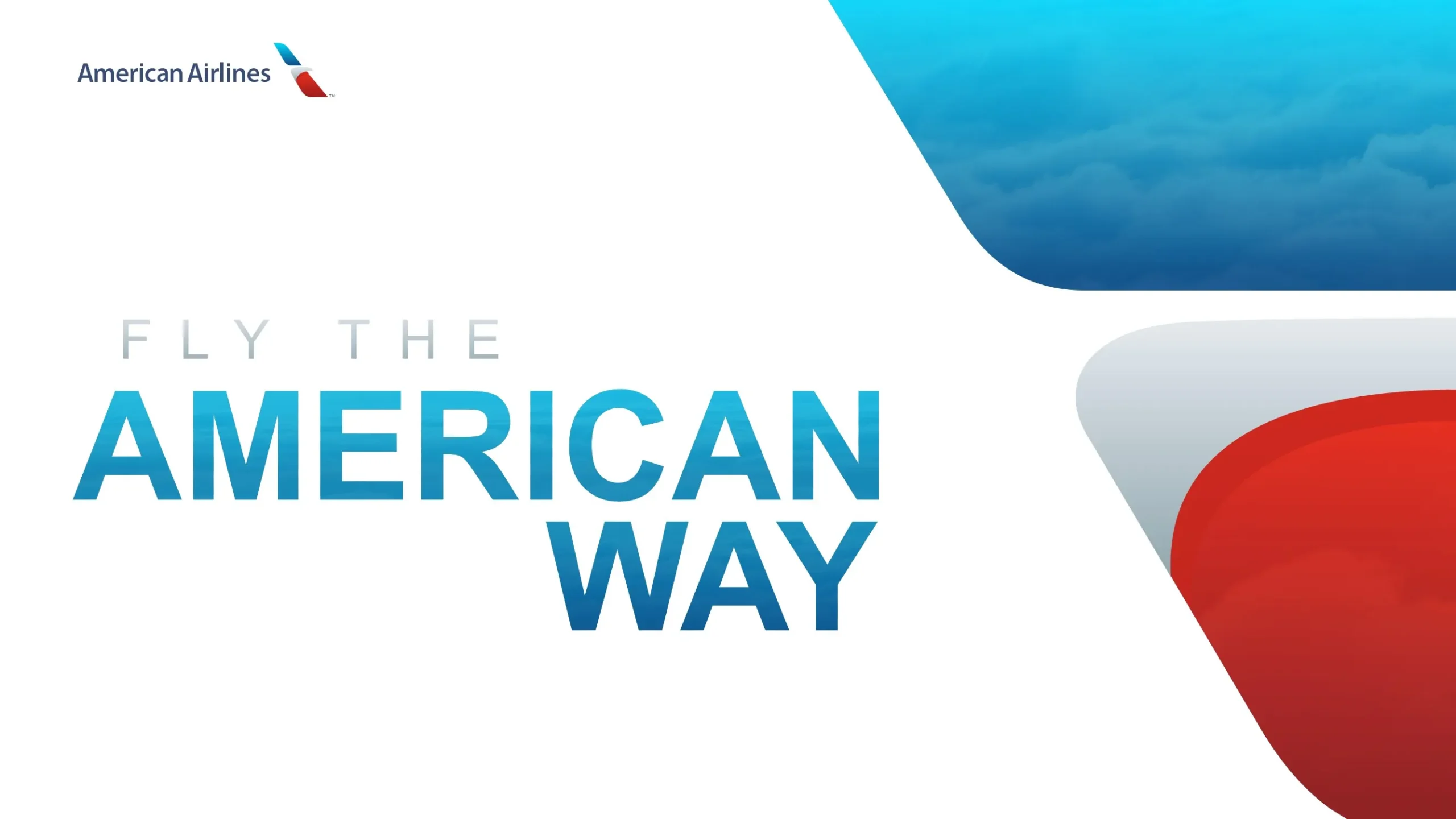
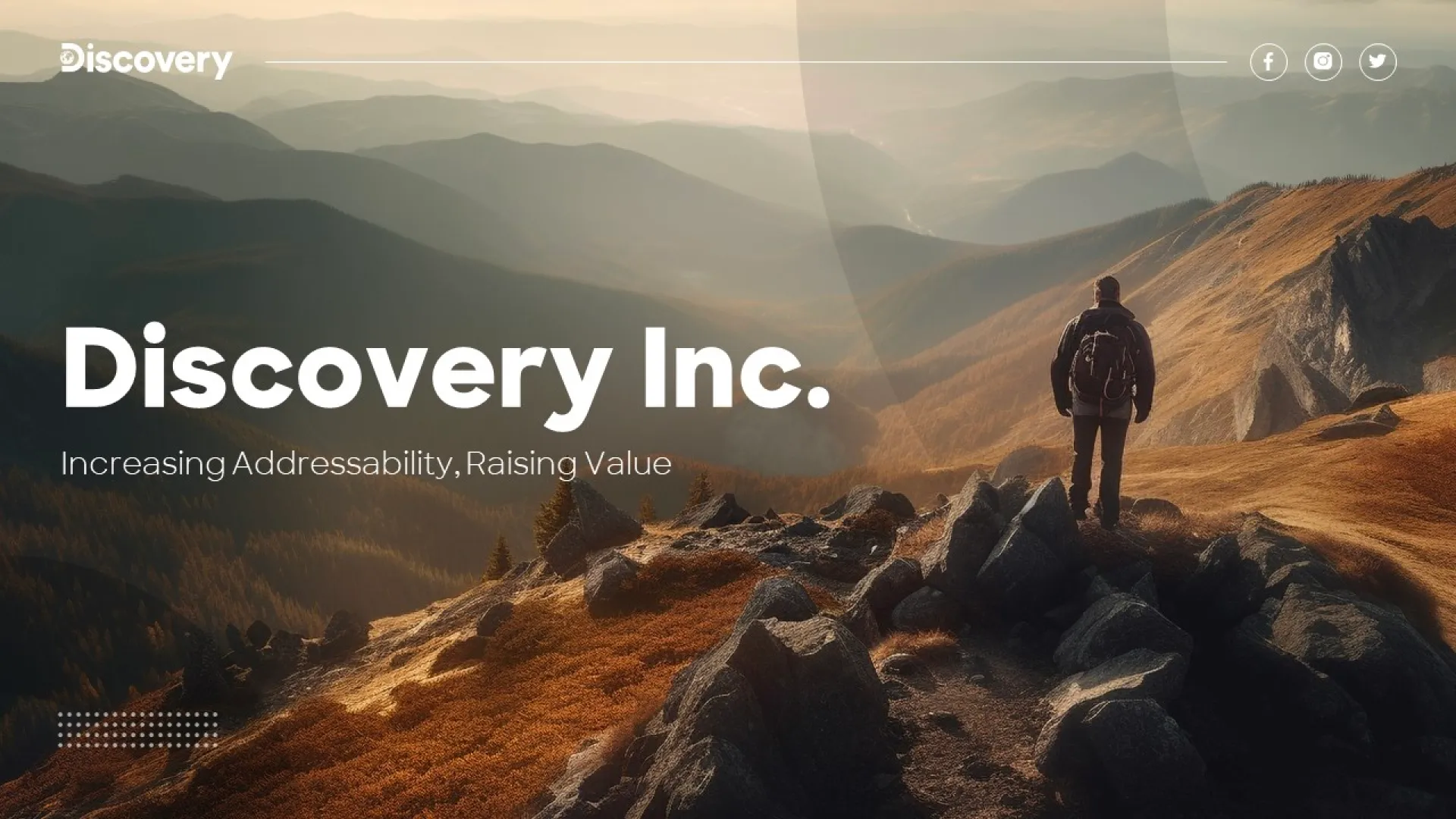
A brand ambassador pitch template is a structured, reusable document or slide deck framework that outlines all the essential components needed to present a compelling case for why you — or someone else — should represent a brand in an official capacity. It typically includes sections for a personal or professional introduction, audience demographics, engagement statistics, proposed collaboration formats, deliverables, and compensation expectations. Rather than starting from scratch each time you approach a new company or client, the template gives you a proven skeleton that ensures nothing critical is left out, saving hours of prep time while making your pitch feel polished and intentional from the first slide to the last.
Understanding what goes into an effective pitch starts with recognizing that brand ambassador relationships are built on mutual value, not just enthusiasm. A well-designed template forces you to think through what you are genuinely bringing to the table — your reach, your niche authority, your audience’s buying behavior — before you ever open a design tool. Many first-time pitchers make the critical mistake of leading with how much they love a product rather than demonstrating why their specific community trusts their recommendations. This is the difference between a fan letter and a business proposal, and a solid template keeps you firmly in professional territory by prompting you to include metrics and proof points upfront.
From a presentation design perspective, a brand ambassador pitch template provides a narrative arc that guides your audience through information in a psychologically effective order. Research in persuasive communication consistently shows that decision-makers respond better to proposals that follow a problem-solution-proof structure. For example, a template might sequence slides as: (1) your identity and niche, (2) the audience problem or desire you address, (3) how the brand’s product fits that narrative, (4) sample content you have already created, (5) hard numbers like average monthly impressions, story view rates, or affiliate conversion percentages, and (6) a clear call to action with tiered partnership options. This sequencing reduces cognitive load and makes it easier for a brand manager to say yes.
- Always include a ‘media kit summary’ slide early in the template, featuring your top three platforms, follower counts, average engagement rate, and a 90-day audience growth trend to establish credibility immediately.
- Dedicate one full slide to audience demographics using real data exports — age ranges, geographic top markets, and dominant interest categories give brands the targeting confidence they need to approve a deal.
- Use a ‘brand alignment’ section to explicitly map your existing content pillars to the brand’s core values, showing you have done research and are not pitching them as an afterthought in a mass email.
- Include two to three mockup content examples in the template — a sample Instagram caption, a short-form video concept description, or a blog post outline — so the brand can visualize the actual output before committing budget.
- Add a tiered partnership structure slide with at least three collaboration levels (for example, a one-time sponsored post, a three-month ambassador retainer, and a co-creation product partnership) so brands feel empowered to choose a comfortable entry point.
- Reserve a slide for past collaboration results, using specific metrics like ‘drove 1,200 link clicks in 48 hours’ or ‘generated a 4.7% conversion rate on a referral code,’ because concrete numbers outperform vague testimonials every time.
- Close the deck with a clear, time-sensitive call to action — such as proposing a 20-minute discovery call within a specific week — because open-ended closes dramatically reduce response rates from busy marketing teams.
The practical takeaway is that a brand ambassador pitch template works best when you customize the data-heavy slides for each individual brand while keeping the structural framework consistent across all pitches. Start by building your master template in a presentation tool that supports easy slide duplication and brand color swapping, then maintain a live spreadsheet of your most current engagement statistics so updates take minutes rather than hours. It is worth noting that this approach is less effective for pitching ultra-large enterprise brands that rely exclusively on formal talent agency submissions — in those cases, direct pitch decks may be screened out entirely and working through a licensed influencer marketing platform is the more appropriate path.
Need a presentation that wins the room? SlideGenius designs custom, high-impact decks for brands like Red Bull, Amazon, and Adidas. Browse our presentation design portfolio, explore our PowerPoint design services, or contact us for a free quote.