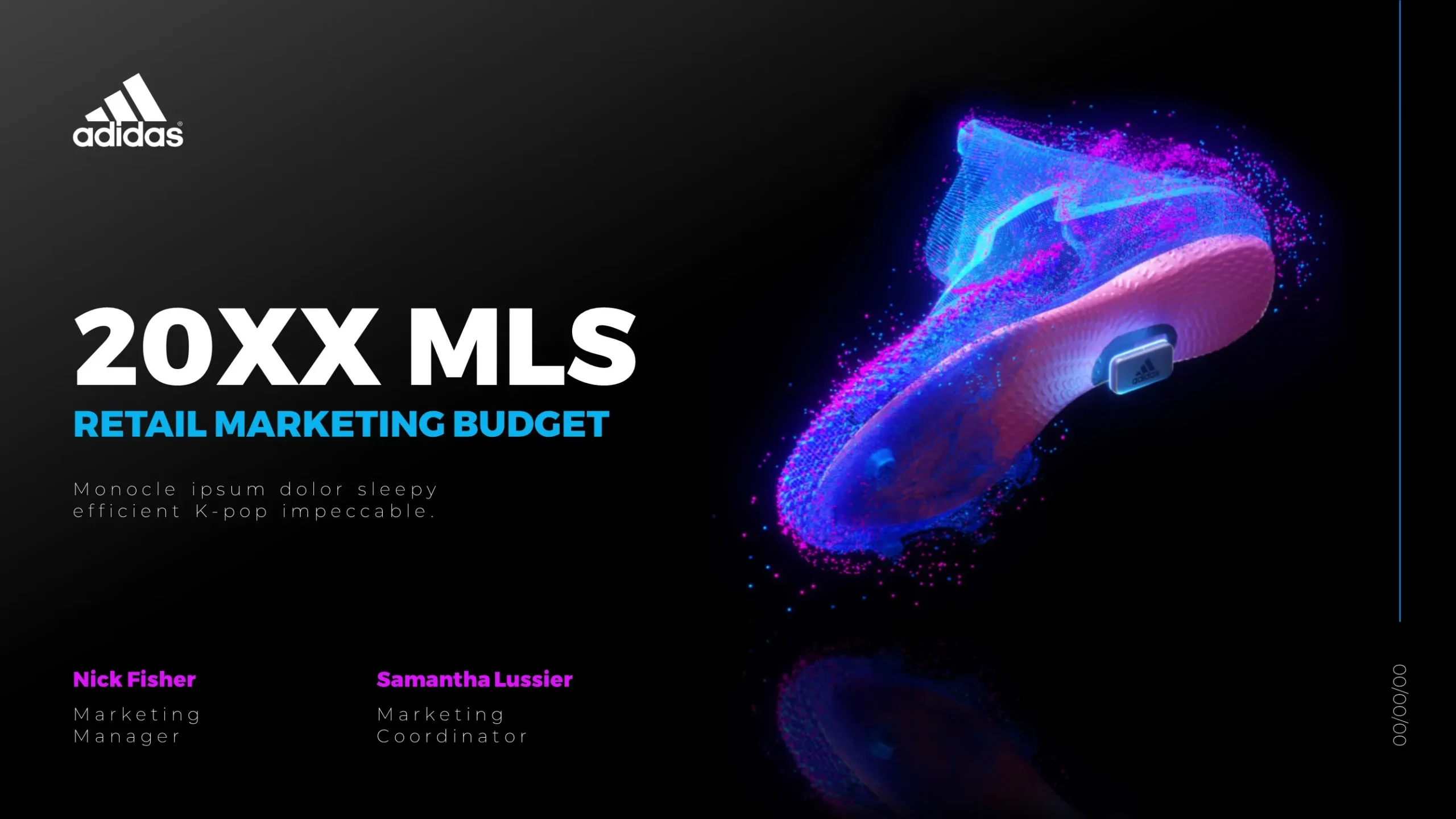
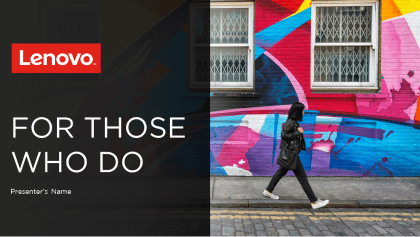
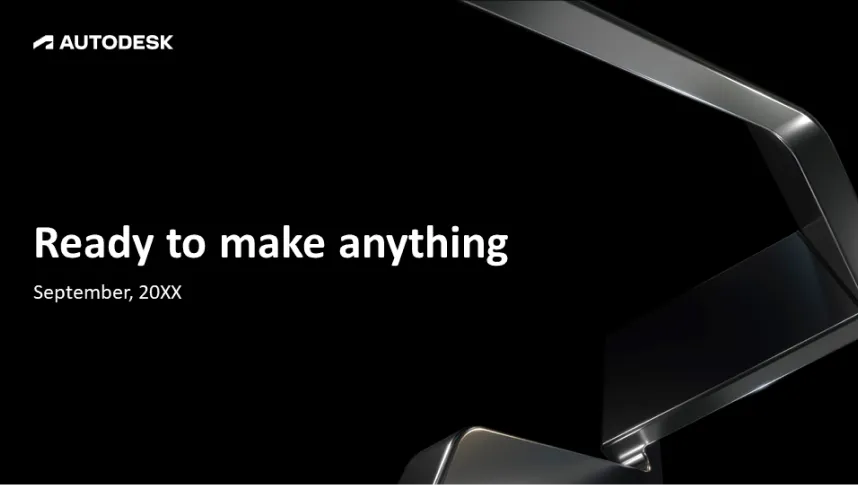
A professional business PowerPoint presentation template in the SlidePro style typically delivers a comprehensive suite of pre-built slide layouts, consistent typography systems, and reusable graphic elements that dramatically reduce the time needed to produce polished, client-ready decks. Rather than building each slide from scratch, users inherit a cohesive visual framework — meaning every chart, text box, and section divider already conforms to a unified design language. This is especially valuable for consultants, agency teams, and corporate communicators who must produce high-stakes presentations on tight deadlines while maintaining brand credibility across every slide.
One of the most important structural advantages of this type of template is the sheer variety of included slide types. A well-built business presentation template will offer dedicated layouts for executive summaries, SWOT analyses, roadmaps, financial dashboards, team bios, process flows, and comparison tables — often 50 or more unique slides in a single package. This variety matters because presenters no longer need to improvise layouts for unfamiliar content types; instead, they select the most appropriate pre-designed slide, drop in their content, and the formatting logic handles the rest. Many templates also include both light and dark color scheme variants, making it straightforward to adapt the same deck for a boardroom projector versus a printed leave-behind without redesigning anything.
Editability and scalability are two additional pillars that separate a high-quality template from a superficially attractive one. Vector-based icons and shapes mean graphics scale to any screen size without pixelation — critical when presenting on a 4K display or a 100-inch projection screen. Slide masters and layout hierarchies mean that a single font or color change propagates instantly across the entire deck, which is enormously helpful when a client requests a rebrand two hours before a pitch. Templates built with proper PowerPoint master slide architecture also integrate cleanly with tools like Google Slides exports or Keynote conversions, extending their utility across platforms and teams with mixed software environments.
- Pre-built data visualization slides — including bar charts, pie charts, and funnel diagrams — come with editable placeholders so you can paste real data directly from a spreadsheet without reformatting the chart style each time.
- Drag-and-drop image placeholders use PowerPoint’s native picture-fill feature, so swapping a stock photo for your own image automatically crops and scales it to fit the designated frame precisely.
- Dedicated timeline and roadmap layouts allow teams to visually communicate a 12-month project plan or product launch sequence without purchasing a separate diagramming tool like Visio.
- Icon libraries bundled within the template — sometimes exceeding 500 individual vector icons — cover business categories like finance, logistics, human resources, and technology, eliminating the need to search external sites.
- One-click color theme switching, made possible by a properly configured Theme Colors panel in PowerPoint, lets a single designer update the entire deck’s palette in under 60 seconds to match a new client’s brand guidelines.
- Speaker notes formatting built into each layout provides a consistent coaching structure, reminding presenters to include a key statistic, a supporting anecdote, and a transition sentence for every slide.
- Aspect ratio variants — typically both 16:9 widescreen and 4:3 standard — are included side-by-side so teams can repurpose the same content for modern conference screens and legacy projection hardware without manual resizing.
The practical takeaway is that a template of this caliber pays for itself quickly when a team produces more than two or three major presentations per month, because the cumulative time savings on formatting alone can exceed several hours per project. A concrete next step is to audit your three most recent decks and identify the slide types that took longest to design; then verify that your chosen template includes purpose-built equivalents. Keep in mind that this approach works best for recurring presentation formats — if your content is highly bespoke, experimental, or requires complex animation sequences, a custom design engagement may ultimately serve you better than any template.
Need a presentation that wins the room? SlideGenius designs custom, high-impact decks for brands like Red Bull, Amazon, and Adidas. Browse our presentation design portfolio, explore our PowerPoint design services, or contact us for a free quote.