An interview pitch deck should function as a structured visual narrative that demonstrates your understanding of the role, the organization, and how your specific background bridges both. The most successful decks open with a concise personal positioning statement — essentially your professional thesis — and build toward a concrete action plan that shows you are ready to contribute from day one. Unlike a resume, a pitch deck allows you to control pacing, emphasize strategic thinking, and make a memorable impression that interviewers can recall and even share with hiring committees after the room clears. Aiming for 8–12 slides keeps the presentation tight enough to hold attention.
The foundation of any strong interview pitch deck is a clear problem-solution structure applied to the employer’s current situation. This means conducting genuine research — analyzing recent earnings calls, press releases, job description language, and even employee reviews — and synthesizing what you find into a coherent narrative about where the organization faces friction and how your skills address that friction. Candidates who skip this step and instead fill slides with biography bullet points consistently underperform compared to those who frame themselves as problem-solvers. A common mistake is spending more than two slides on personal history, which tips the balance from ‘strategic hire’ to ‘resume read aloud.’
Visual design matters, but only in service of clarity. Use a consistent slide template with no more than three font sizes, a restrained color palette (two primary colors plus one accent works well), and data visualizations where numbers tell a story better than prose. For example, if you are pitching for a growth marketing role, a simple bar chart showing a previous campaign’s month-over-month uplift — say, a 34% increase in qualified leads over 90 days — is far more persuasive than the phrase ‘drove significant growth.’ Concrete, quantified evidence anchors your narrative in credibility and makes abstract claims tangible to decision-makers who hear vague promises repeatedly.
- Start with a compelling ‘Who I Am’ slide that distills your professional identity into one focused statement tied directly to the role’s core objective, avoiding generic labels like ‘team player.’
- Include a ‘Market and Company Observations’ slide that demonstrates genuine research — cite a specific initiative, product launch, or operational challenge the company is actively navigating.
- Add a ‘Why I Am the Right Fit’ slide that maps two or three of your measurable past achievements directly onto the skills listed in the job description, using parallel structure.
- Present a ’30-60-90 Day Plan’ slide with realistic, role-specific milestones — for example, proposing to audit existing workflows in the first 30 days before recommending any changes.
- Use a ‘Relevant Case Study’ slide to walk through one detailed past project: the challenge, your specific actions, and the quantified outcome, ideally in a before-and-after format.
- Include a ‘Vision Slide’ that articulates where you could take the role or function within 12–18 months, demonstrating ambition calibrated to the company’s actual trajectory.
- Close with a ‘Questions and Conversation’ slide rather than a generic ‘Thank You,’ signaling that you expect and welcome dialogue rather than treating the deck as a monologue.
The practical takeaway is to treat your interview pitch deck as a living document: build a master version and customize at least three slides for every specific role you pursue, since generic decks are immediately recognizable and forgettable. As a concrete next step, draft your 30-60-90 day plan first, because it forces the most rigorous role-specific thinking and naturally pulls the other slides into alignment. Keep in mind that this format works best in final-round or panel interviews; for brief screening calls or highly informal settings, a pitch deck can feel overprepared and may disrupt the natural flow of conversation.
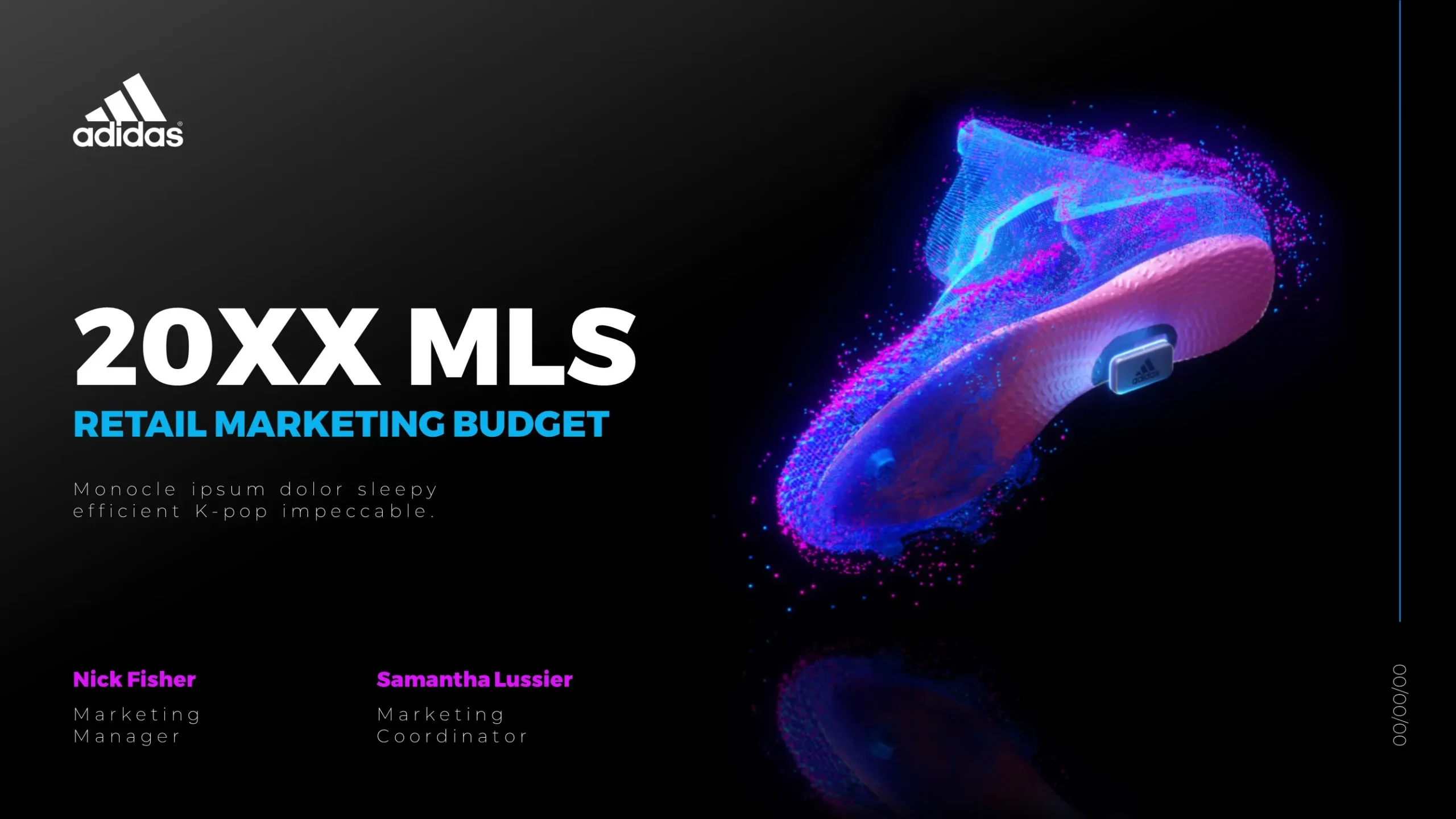
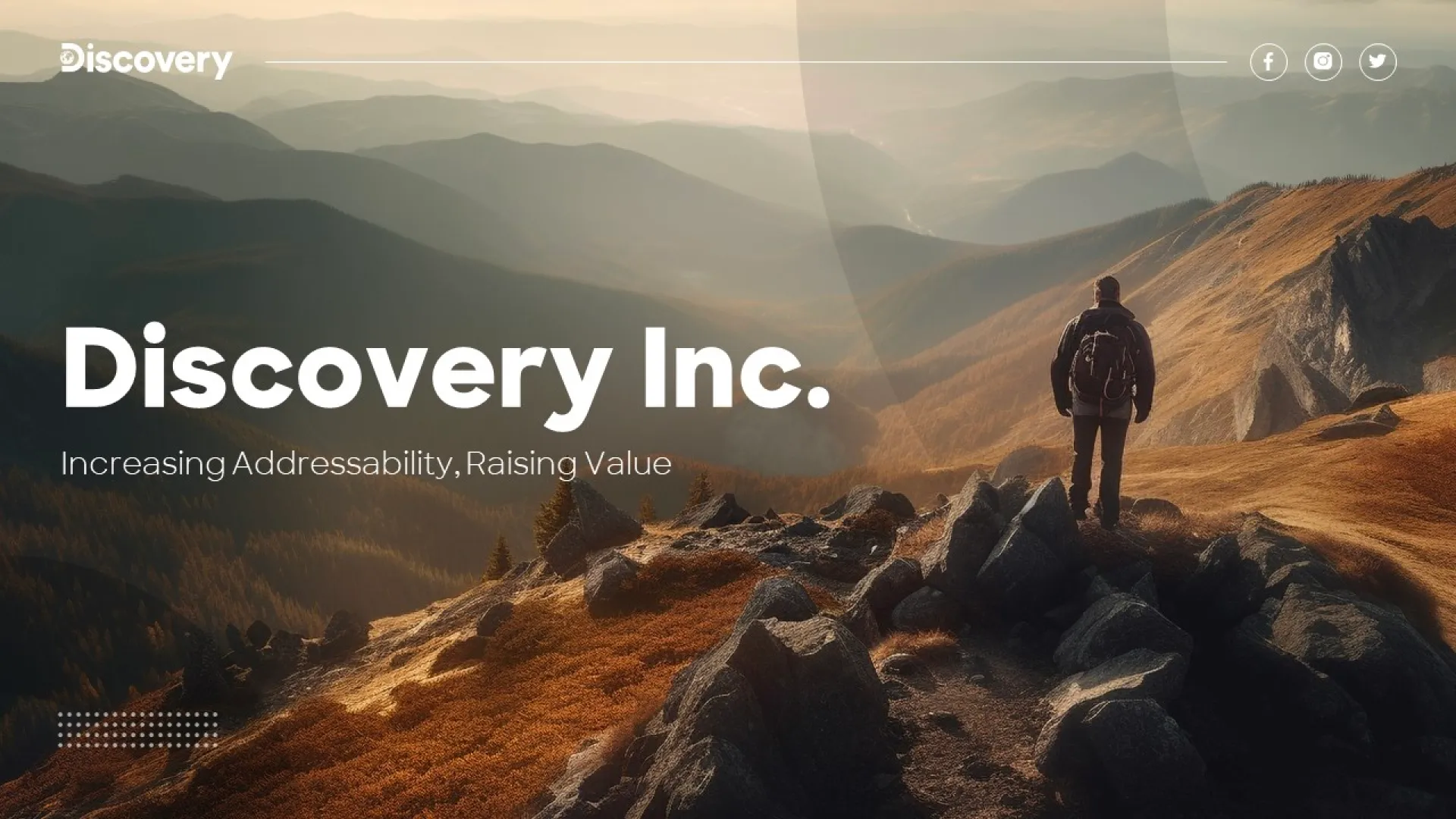
Need a presentation that wins the room? SlideGenius designs custom, high-impact decks for brands like Red Bull, Amazon, and Adidas. Browse our presentation design portfolio, explore our PowerPoint design services, or contact us for a free quote.