A Shaan Puri-style pitch deck is built around a philosophy of radical clarity and storytelling momentum — the idea that investors and audiences should feel the inevitability of your opportunity before they can object to it. Unlike traditional decks that bury the lead in market-size slides, this approach front-loads the ‘why now’ narrative, uses extremely sparse slide design (often a single sentence or stat per slide), and treats the deck as a spoken-word companion rather than a document that stands alone. The result is a presentation that moves fast, creates emotional tension, and leaves the audience wanting to ask questions rather than checking their phones.
The foundational principle is the ‘problem worth caring about’ frame. Before presenting any solution, the deck must establish genuine pain using specific, vivid language — numbers that feel personal, not abstract. For example, instead of writing ‘the market is inefficient,’ a Puri-influenced slide might read ‘73% of small business owners say invoicing takes more time than any other admin task.’ This kind of specificity activates empathy and signals that the founder has done real customer discovery. A common mistake is skipping straight to the product demo or solution without first making the audience feel the problem themselves, which kills emotional buy-in before it can form.
Structure and visual design are equally important. Each slide should carry exactly one idea, ideally expressed in under twelve words. Cluttered slides dilute attention and suggest the presenter doesn’t fully understand what matters most. The recommended flow is: hook slide, problem, insight (what most people miss about this problem), solution, proof of traction or early signal, market opportunity, business model, team, and ask. The ‘insight’ slide is particularly distinctive — it articulates a contrarian or non-obvious belief about why this moment is different, which is a core Shaan Puri emphasis. This slide alone separates confident founders from those who are just describing a feature.
- Open with a single-sentence hook that names the specific person experiencing the problem, such as ‘Every freelance designer loses 6 hours a week to client revision chaos’ — specificity creates immediate identification.
- Use the ‘insight slide’ to state one non-obvious belief, for example ‘Most people think AI will replace designers, but the real constraint is client communication, not creative output.’
- Keep your market sizing bottom-up rather than top-down; instead of citing a $50B TAM, show how your 200 paying customers each represent a $2,400 annual contract that compounds predictably.
- Include a ‘traction proof’ slide with at least one hard metric — retention rate, revenue growth percentage, or a before/after customer result — and display it as a single large number with brief context.
- Design the team slide to answer ‘why are these the right people for this specific problem,’ not just list credentials; connect each founder’s background directly to an unfair advantage in this market.
- End with a precise ask slide: state the dollar amount, the key milestone it funds (for example ‘reach 1,000 paid users by Q3’), and the specific outcome that unlocks the next round.
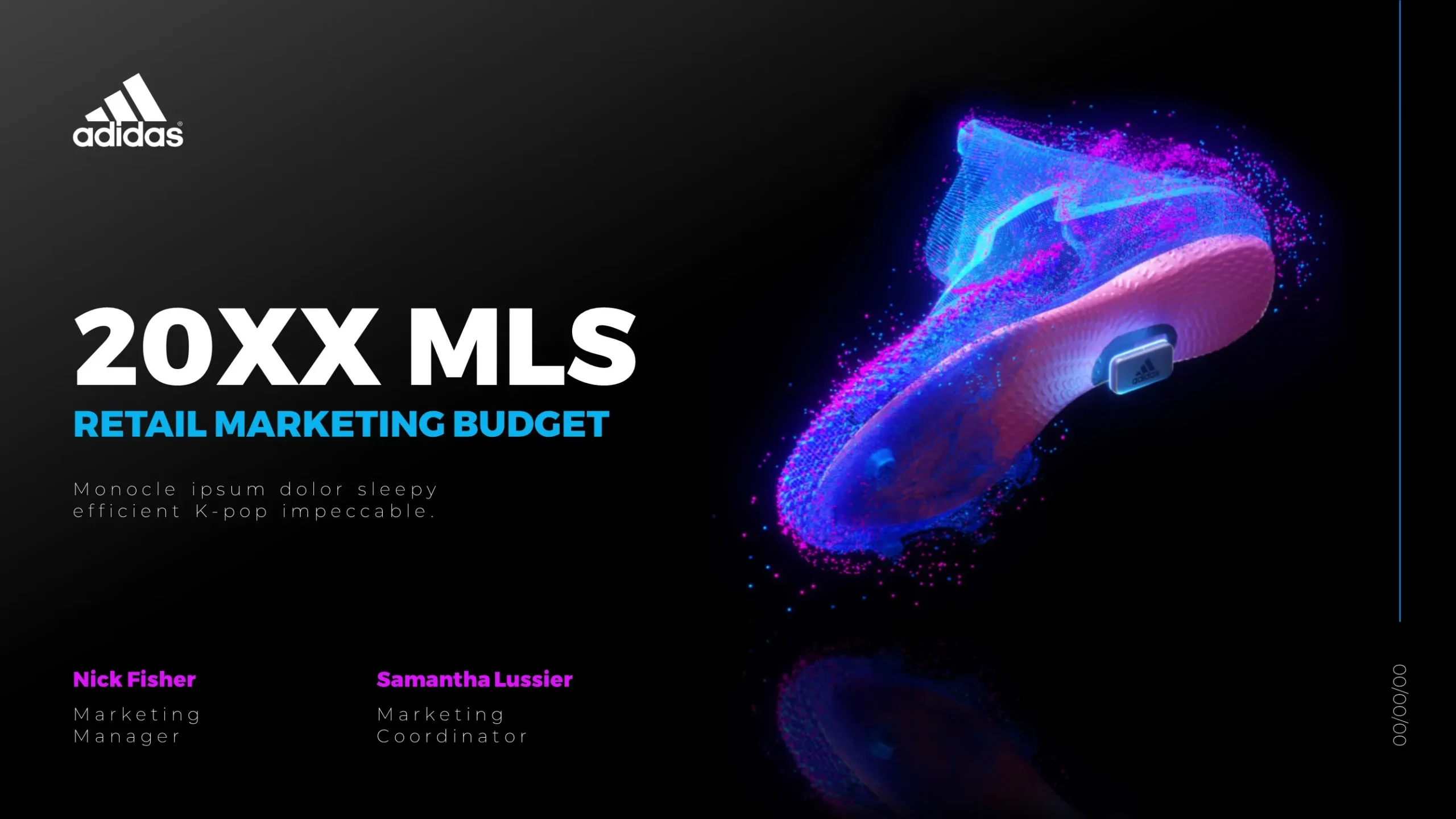
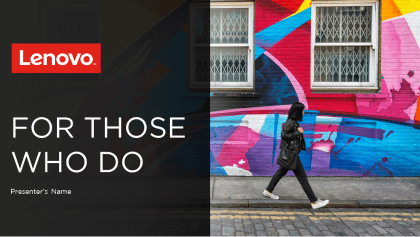
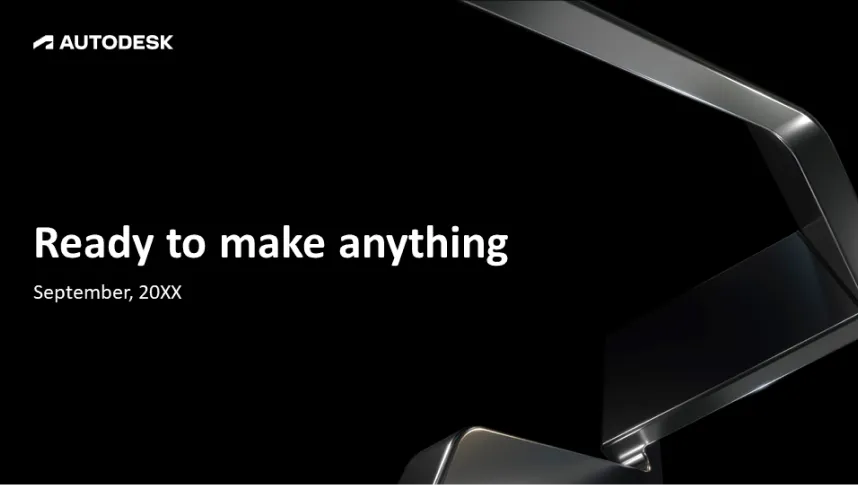
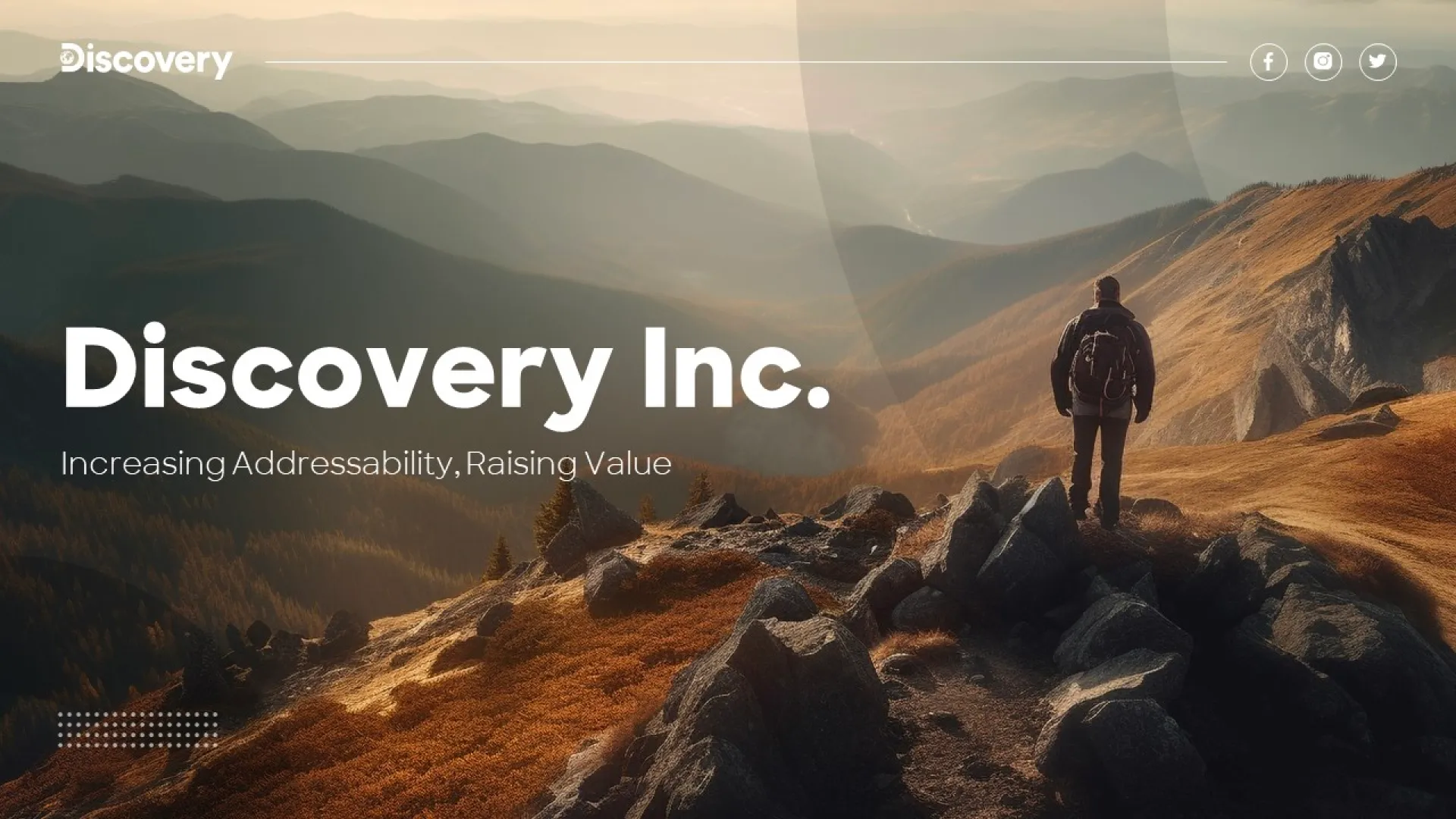
- Use a consistent, minimal visual theme — one font family, two colors maximum, and left-aligned text — so design never competes with the story you are telling verbally.
The most practical takeaway is to rehearse the deck as a live narrative, not as a reading exercise. Print out your slides as index cards and practice the verbal transitions between each one, because in a Puri-style presentation the slide triggers the story, not the other way around. One situation where this approach needs adjustment is a formal investor memo or a Series B board presentation, where data density and appendix depth are expected and a sparse twelve-slide deck may signal under-preparation. In those contexts, keep the core story minimal but build a robust appendix with cohort data, unit economics, and competitive analysis that sophisticated investors will probe.
Need a presentation that wins the room? SlideGenius designs custom, high-impact decks for brands like Red Bull, Amazon, and Adidas. Browse our presentation design portfolio, explore our PowerPoint design services, or contact us for a free quote.