A strong SaaS sales presentation needs to balance storytelling, technical credibility, and commercial clarity all at once. The most effective presentations open with a sharp problem statement that mirrors the prospect’s specific pain — not a generic industry challenge — and then build a logical arc toward your solution. Key elements include: a problem framing slide, a solution overview with live or recorded demo, a value-and-ROI section, a customer proof point, a pricing and packaging summary, and a clear call-to-action. Skipping any one of these sections is the most common reason SaaS deals stall after a first meeting.
The problem framing section is arguably more important than the demo itself. Buyers need to feel understood before they’re willing to evaluate a solution, and a well-researched problem slide — ideally referencing the prospect’s industry, company size, or a challenge they mentioned in discovery — creates immediate credibility. Avoid the mistake of spending the first ten minutes on your company’s founding story or funding history. Prospects at the evaluation stage care far more about whether you understand their workflow bottlenecks, compliance pressures, or cost inefficiencies than about when your startup was incorporated. Frame the problem in quantifiable terms wherever possible: ‘teams of your size typically spend 12 hours per week on manual data reconciliation’ is far more compelling than ‘data management is hard.’
The demo section is where most SaaS presentations either win or lose the deal, yet it’s frequently mishandled. A common error is running a feature tour — clicking through every screen in sequential order — rather than a scenario-based walkthrough. Instead, structure the demo around a single realistic user story that maps directly to the problem you just framed. For example, if you’re selling a project management platform to an operations team, walk through exactly what happens when a new request comes in, gets assigned, hits a bottleneck, and gets escalated — showing only the features relevant to that flow. Limiting the live demo to 10-15 minutes and reserving time for questions prevents cognitive overload and keeps engagement high.
- Open with a one-slide problem summary that uses the prospect’s own language from your discovery call, referencing specific metrics like ticket volume, headcount, or error rates they shared with you.
- Use a ‘before and after’ workflow comparison to visually contrast how the prospect’s team operates today versus how your platform would change that day-to-day experience.
- Include at least one customer proof point from a similar company — matching industry, team size, or use case — with a specific outcome such as ‘43% reduction in onboarding time within 60 days.’
- Address the integration question proactively by showing one concrete example of your platform connecting with a tool the prospect already uses, such as a CRM, HRIS, or data warehouse.
- Present pricing in a tiered format with a clearly recommended tier highlighted, so the prospect’s brain anchors on the recommended option rather than the lowest-cost one.
- Include a ‘what happens next’ slide that outlines the exact steps between today and go-live, including a typical implementation timeline, onboarding resources, and who owns each step.
- End with a single, specific ask — such as scheduling a technical deep-dive with their IT lead within the next five business days — rather than a vague ‘let us know if you have questions.’
Putting all of these elements together into one cohesive narrative takes practice, and the presentation should be treated as a living document that you refine after every call. Review your call recordings — tools that transcribe sales calls can surface objections you missed in the moment — and update your slides to pre-empt the top three questions prospects consistently ask. Note that this structure is best suited for mid-market and enterprise deals with a defined evaluation process; for very small business or self-serve SaaS, a shorter product-led format with a free trial offer often outperforms a formal deck. Tailor the depth and formality of each section to match the sophistication of your buyer.
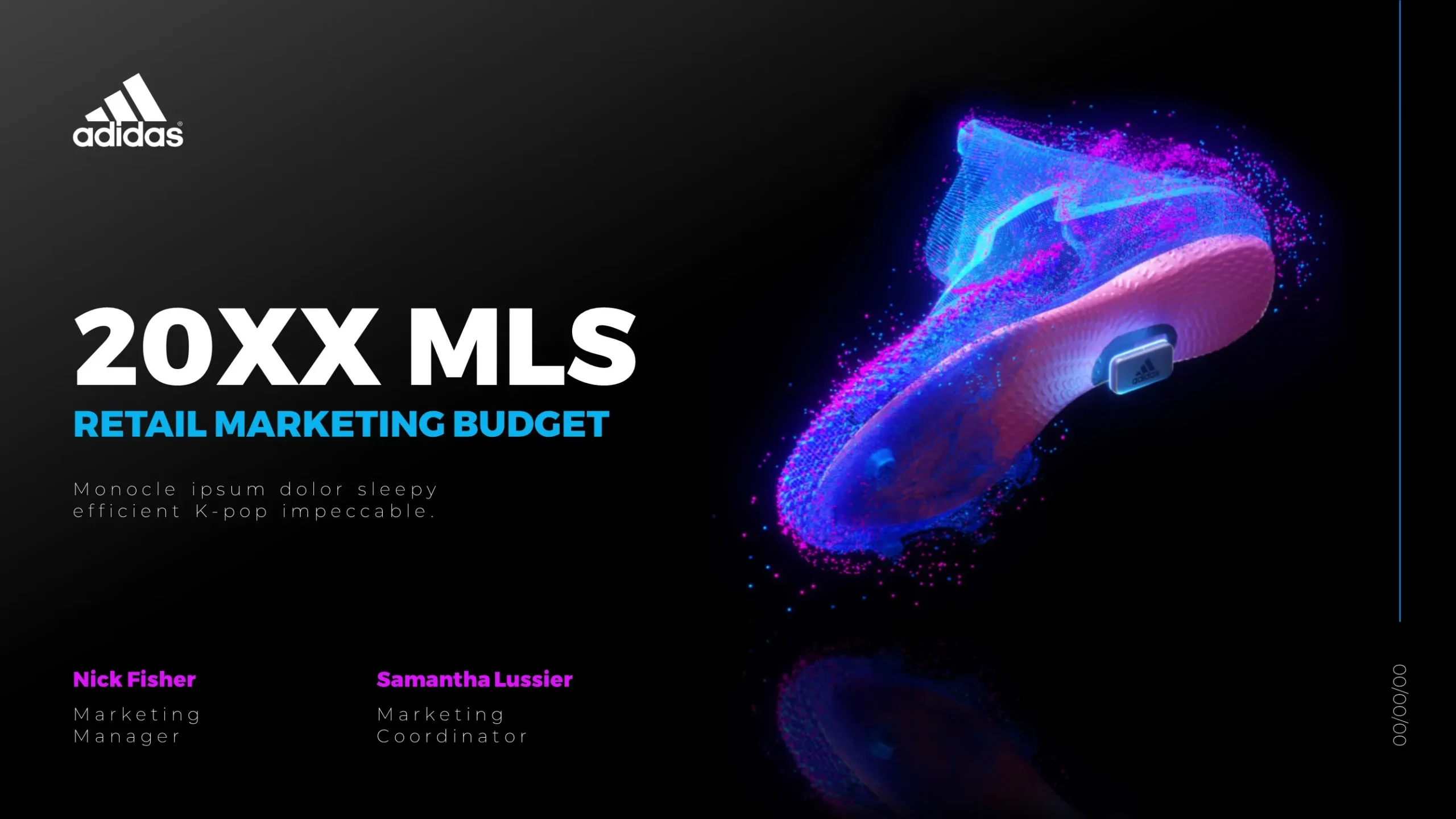
Need a presentation that wins the room? SlideGenius designs custom, high-impact decks for brands like Red Bull, Amazon, and Adidas. Browse our presentation design portfolio, explore our PowerPoint design services, or contact us for a free quote.