A strong consulting services pitch deck typically includes eight to ten core sections that together tell a coherent story: who you are, what problem you solve, how you solve it, proof that you’ve done it before, and what it costs. The goal is not merely to inform a potential client but to guide them through a logical journey that ends with them feeling confident enough to sign an engagement letter. Most successful consulting decks run between 12 and 20 slides — long enough to be substantive, short enough to respect a decision-maker’s time during a 30-minute review meeting.
The opening section must establish credibility and relevance within the first two slides. This means leading with the client’s problem, not your firm’s history. A common mistake consultants make is opening with a lengthy ‘About Us’ section before the prospect has any reason to care. Instead, open with a sharp problem statement — ideally one that uses language or metrics pulled directly from your discovery call — and immediately follow it with your thesis for how the problem gets solved. This positioning signals that you listened, you understand their world, and you have a point of view rather than a generic service menu.
The middle section of the deck is where depth matters most. This is where you present your methodology, your team’s relevant credentials, and — critically — your case studies. Generic claims like ‘we deliver results’ are worthless without specific proof points. A case study should name the industry (even if the client is anonymous), quantify the outcome (for example, a 22% reduction in operational overhead over six months), and explain the specific approach that produced the result. Consultants frequently skip or water down this section, which is a significant missed opportunity because social proof is the single most persuasive element in a B2B services pitch.
The commercial section, covering pricing and engagement structure, deserves its own dedicated slide rather than being buried in an appendix. Clients who have made it to slide 15 are genuinely interested, and obscuring your fees creates friction and distrust. Present your pricing model clearly — whether it is a fixed-fee project, a retainer, or a time-and-materials structure — and pair it with a simple timeline showing key milestones. Include a ‘what’s included / what’s not included’ breakdown to preempt scope creep conversations before they start.
- Lead with a client-specific problem statement on slide one, using actual numbers or phrases from your discovery call to demonstrate that the deck was built for them, not recycled from a template.
- Include a methodology slide that visually maps your process in three to five phases, giving prospects a clear mental model of what working with you actually looks like week to week.
- Present at least two anonymized case studies with specific industry context, measurable outcomes (percentages, dollar figures, or time saved), and a brief explanation of your unique role in achieving those results.
- Add a ‘Why Us vs. Alternatives’ slide that honestly addresses how your approach differs from hiring internally, using a generalist firm, or doing nothing — this preempts objections before they arise in Q&A.
- Include brief consultant bios (three to five sentences each) that highlight directly relevant experience — for example, a former CFO on your team is highly credible to a finance transformation client.
- Provide a clear pricing slide with your engagement model, a summary timeline with two or three major milestones, and a simple list of deliverables so the client knows exactly what they are buying.
- Close with a specific, low-friction call to action — such as ‘Schedule a 45-minute kickoff scoping call’ — rather than a vague ‘Contact us,’ giving the prospect a concrete next step.
The most important thing to remember is that a pitch deck is a sales tool, not a brochure. Every slide should either build trust, reduce perceived risk, or advance the prospect toward a decision. If a slide does none of those three things, cut it. This framework works best for project-based or retainer consulting engagements of $25,000 or more; for smaller or commodity services, a one-page proposal may convert better than a full deck. Always test your deck with a trusted colleague who will ask the uncomfortable questions a real client would ask before your first live presentation.
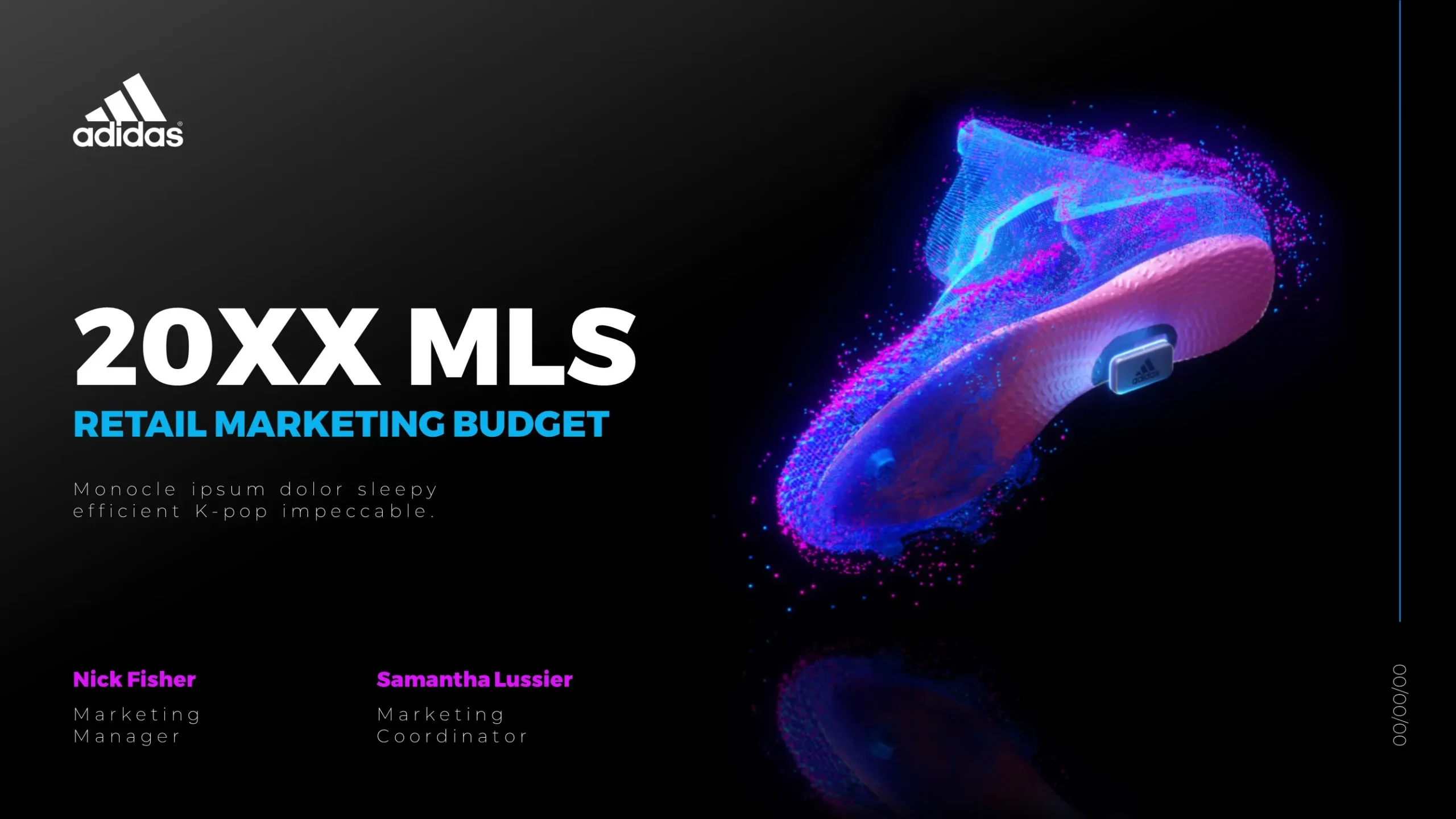
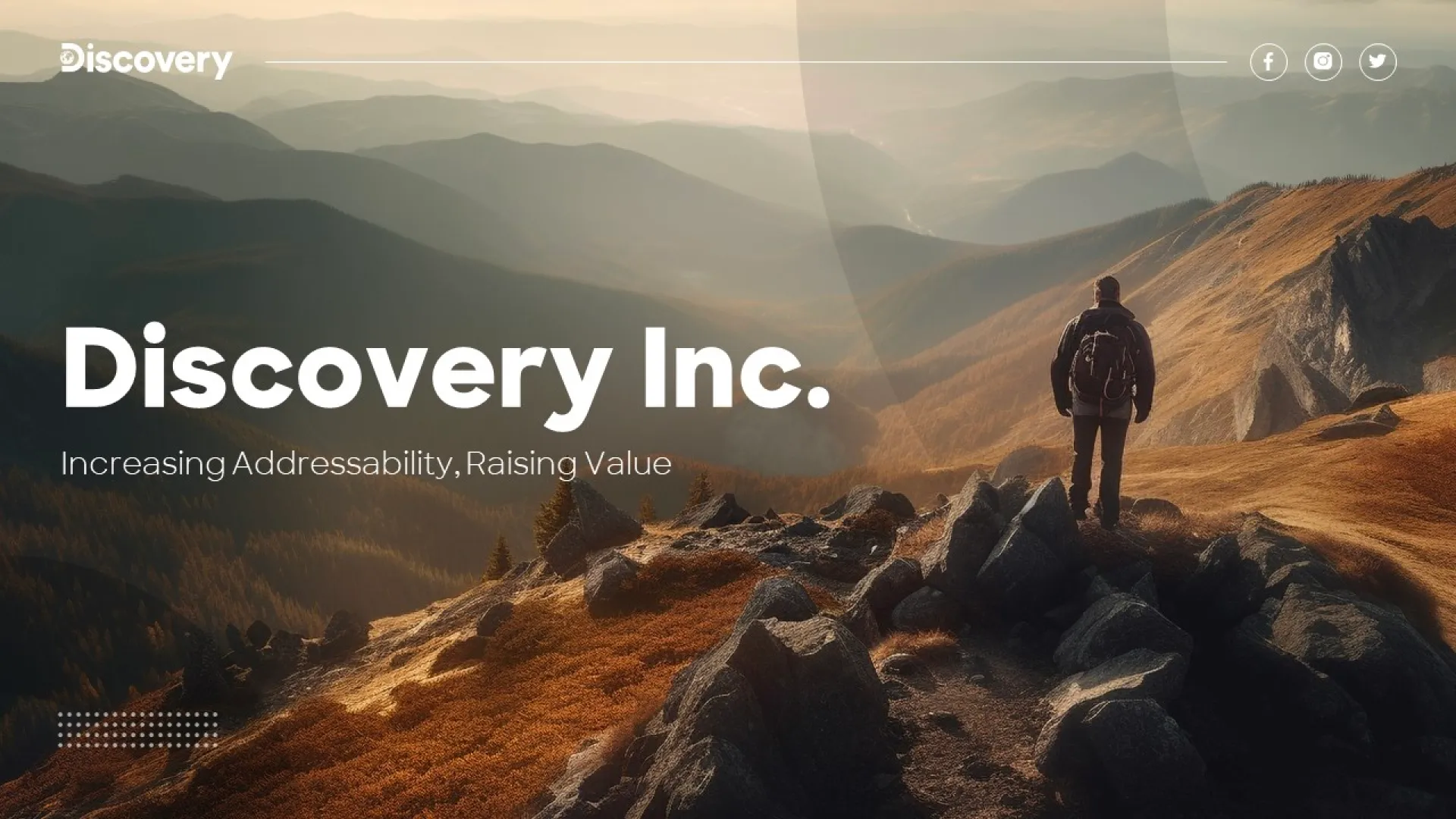
Need a presentation that wins the room? SlideGenius designs custom, high-impact decks for brands like Red Bull, Amazon, and Adidas. Browse our presentation design portfolio, explore our PowerPoint design services, or contact us for a free quote.