A successful business pitch combines a clear problem statement, a compelling solution, credible market data, a realistic financial model, and a memorable delivery — all woven together into a narrative that makes investors or decision-makers feel the opportunity is both urgent and achievable. The strongest pitches do not simply list features or recite statistics; they tell a story that moves from tension to resolution, anchoring every claim in evidence. Research consistently shows that pitches lasting 10–18 minutes with structured storytelling outperform longer, data-heavy presentations in real funding environments like early-stage venture reviews and accelerator demo days.
The foundation of any strong pitch is a well-defined problem. If your audience cannot immediately feel the pain point you are solving, every subsequent slide loses credibility. This means framing the problem in human terms first — a specific customer scenario — before introducing market-size figures. A common mistake is leading with a total addressable market number (for example, ‘this is a $40 billion industry’) without first making the audience care about who is suffering and why existing solutions fall short. The problem slide should answer three questions: who experiences this, how frequently, and what it currently costs them in time, money, or missed opportunity.
Once the problem resonates, your solution, business model, and traction must flow as connected evidence rather than separate, isolated points. Investors evaluate whether your solution is defensible — meaning it has a moat such as proprietary technology, network effects, or exclusive partnerships. The business model section should specify unit economics: for instance, a customer acquisition cost of $35 against a lifetime value of $280 signals a healthy 8× ratio that sophisticated audiences recognize immediately. Traction is your most powerful credibility tool; even modest proof points like 200 paying beta users, a signed letter of intent from a named distributor, or a 23% month-over-month growth rate carry enormous weight compared to projected figures alone.
- Open with a one-sentence ‘elevator hook’ that names the customer, the problem, and your unique angle so listeners immediately grasp the core value proposition within the first 30 seconds.
- Use a narrative arc — introduce a relatable character who faces the problem, show how existing options fail them, then reveal your product as the turning point in their story.
- Present your total addressable market using a bottom-up calculation rather than a top-down percentage claim, because showing how you reach 50,000 customers at $200 each is far more credible than citing a $10 billion industry report.
- Include a concise competitive landscape slide that honestly positions competitors on two axes relevant to your differentiation, demonstrating that you understand the space rather than pretending rivals do not exist.
- State your specific ask clearly — for example, ‘We are raising $750,000 in a SAFE to hire two engineers and reach 1,000 monthly active users by Q3’ — so decision-makers know exactly what commitment you need.
- Rehearse your pitch until you can deliver it without slides, because confident, conversational delivery signals mastery of your own business and dramatically increases audience trust.
- Prepare a one-page leave-behind that summarizes the problem, solution, traction, team credentials, and funding ask so reviewers can revisit key data after the meeting ends.
The most practical takeaway is to treat your pitch as a living document that you refine after every presentation based on real audience reactions — note which questions arise repeatedly, because repeated questions reveal gaps in your narrative. As an immediate next step, record yourself delivering the pitch, then watch it back to identify moments where you rush, hedge, or lose energy. Keep in mind that this structured approach works best for investor and stakeholder pitches; internal pitches to colleagues or brief elevator conversations require a compressed, even more problem-focused version that skips financial detail entirely and leans entirely on the human story.
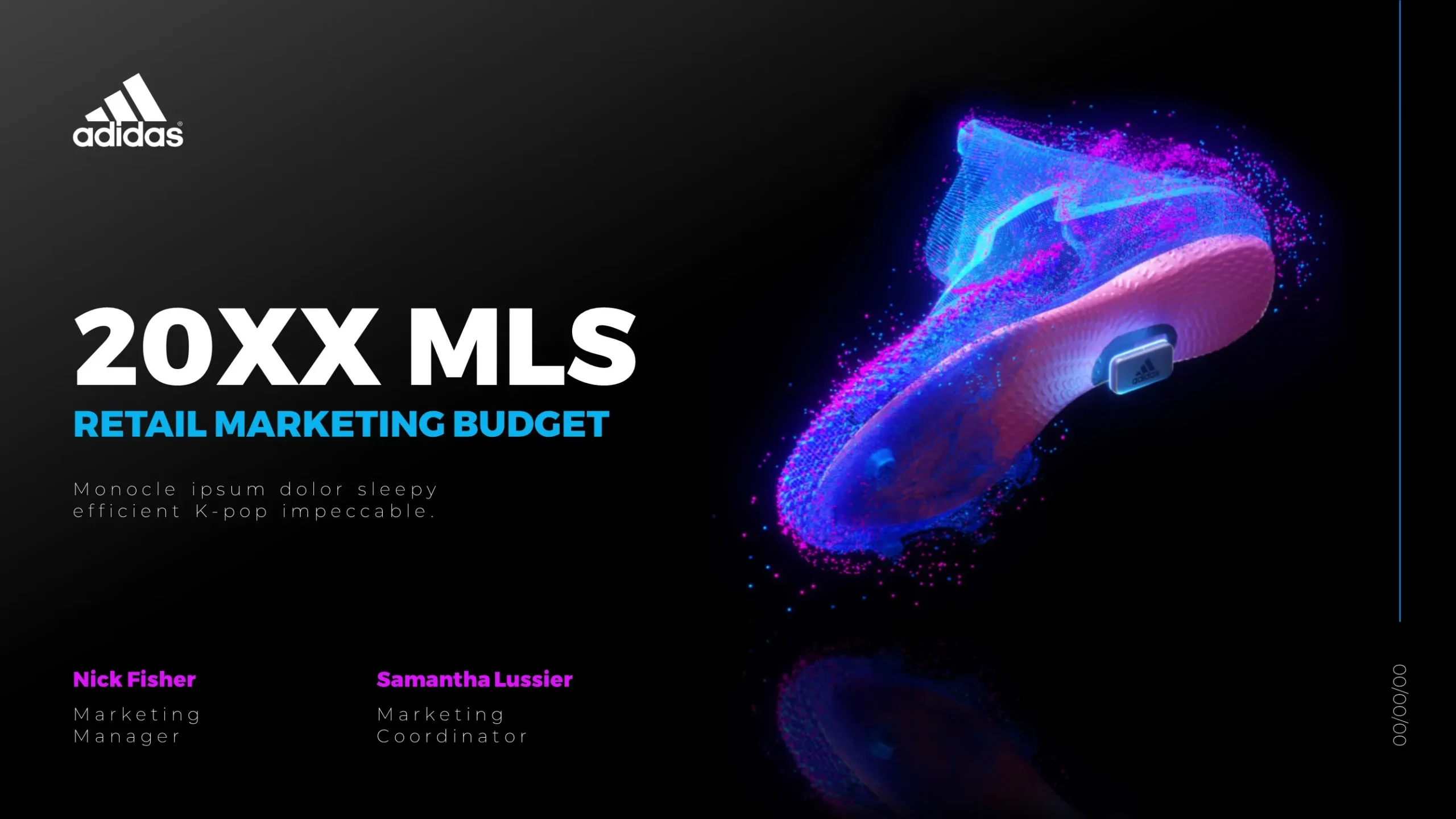
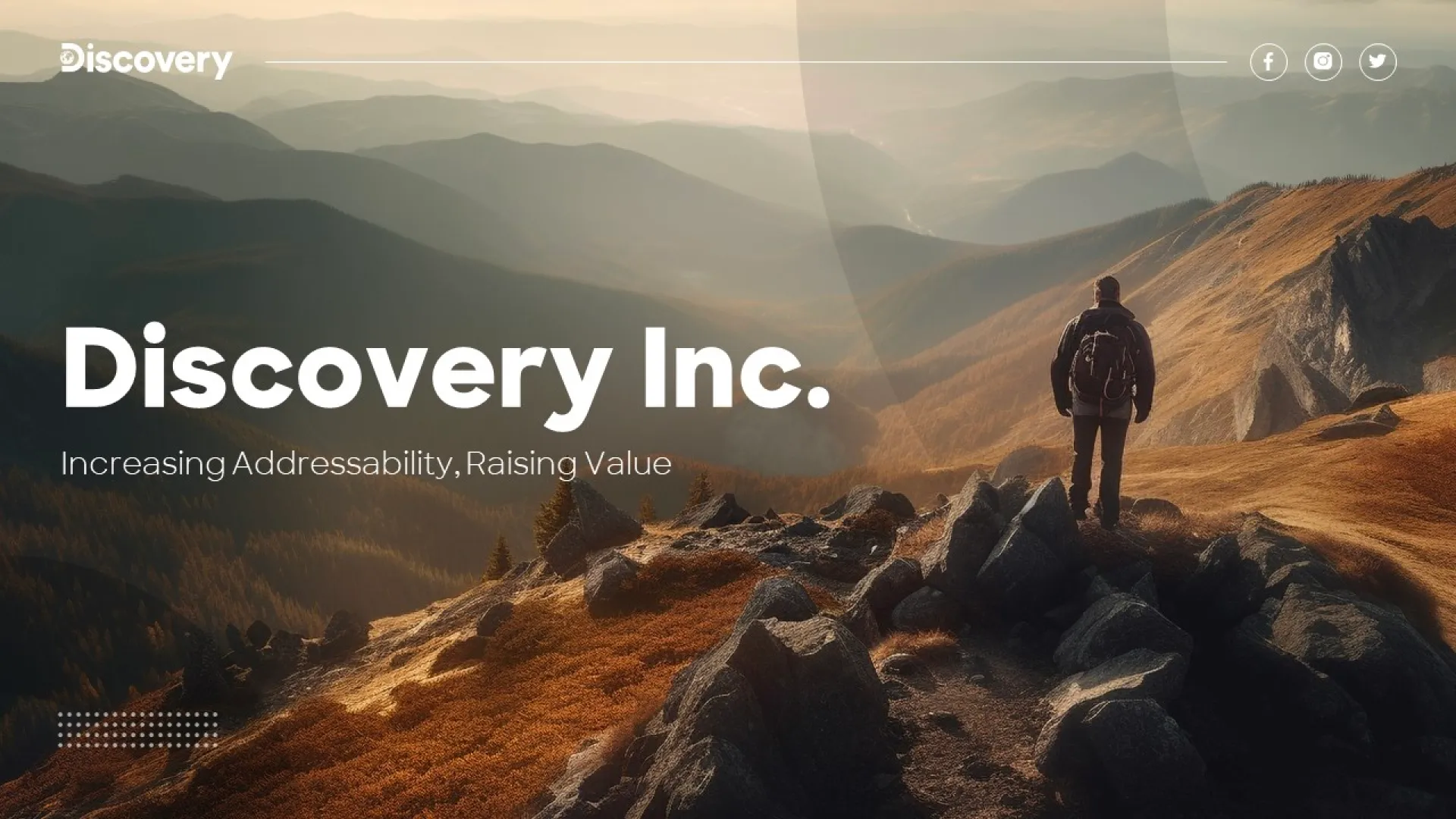
Need a presentation that wins the room? SlideGenius designs custom, high-impact decks for brands like Red Bull, Amazon, and Adidas. Browse our presentation design portfolio, explore our PowerPoint design services, or contact us for a free quote.