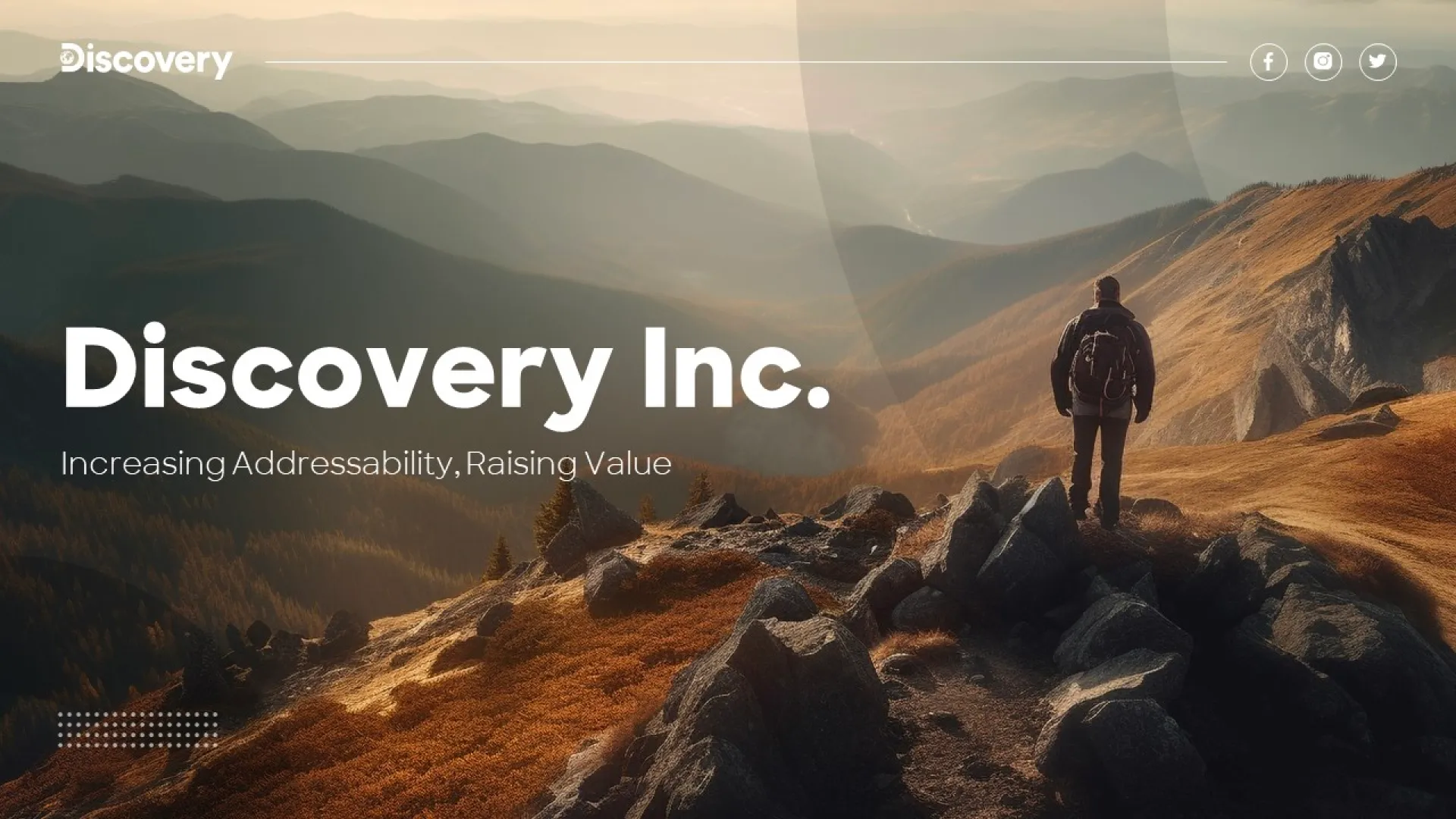
A well-structured tourism business plan PowerPoint presentation should cover your executive summary, market analysis, operational model, financial projections, and marketing strategy — each as a dedicated section with supporting data and visuals. Unlike a written plan, a slide deck must communicate these ideas quickly and persuasively, so every slide should carry a single core message backed by evidence. For a tourism venture — whether a guided tour operator, a boutique eco-lodge, or a destination travel agency — investors and stakeholders need to see that you understand your niche, your target traveler, your competitive landscape, and exactly how you will generate sustainable revenue over a defined period.
The executive summary slide is the most critical component because it sets the tone for everything that follows. It should state your business concept in one or two sentences, identify the problem or gap in the tourism market you are solving, and briefly outline your proposed solution. For example, if you are launching a cultural day-tour company in a heritage city, your summary slide might highlight that 68% of city visitors report being unaware of local artisan districts — establishing a clear demand gap your business fills. This framing immediately signals to readers that your plan is grounded in real traveler behavior rather than wishful thinking.
Market analysis is one area where tourism business plans commonly fall short. Presenters often include generic statistics about global tourism growth without narrowing the data to their specific segment, geography, or traveler demographic. Your slides should include regional visitor statistics, seasonality data showing peak and off-peak patterns, an analysis of at least three to five direct competitors with their pricing models, and a clearly defined target persona — for instance, ‘eco-conscious couples aged 30-45 with a per-trip accommodation budget of $200-$350 per night.’ This level of specificity demonstrates credibility. A SWOT analysis slide is also essential here, as it shows stakeholders that you have honestly assessed internal weaknesses and external threats like economic downturns or shifts in travel policy.
- Include an executive summary slide that states your tourism concept, the market gap it addresses, and your projected first-year revenue figure in a single, scannable layout.
- Add a target market slide with a detailed traveler persona, including age range, spending habits, preferred booking channels, and the specific travel motivations that align with your offering.
- Present a competitive analysis table comparing your business to at least three rivals across dimensions like price point, experience type, online review score, and unique selling proposition.
- Dedicate a full slide to your operational model, describing how tours or accommodations are delivered day-to-day, including staffing ratios, supplier relationships, and any licensing or certification requirements.
- Include a marketing and distribution strategy slide covering which channels you will use — for example, online travel agency listings, direct website bookings, or social media content campaigns — with a realistic budget allocation percentage for each.
- Show three-year financial projections with separate line items for startup costs, monthly operating expenses, expected booking volumes, average revenue per customer, and break-even timeline.
- Close with a ‘use of funds’ slide if seeking investment, specifying exactly how each dollar will be allocated — for example, 40% to marketing, 30% to equipment, and 30% to working capital reserves.
A strong tourism business plan presentation ends with a clear call to action and a realistic implementation timeline showing your first 90-day milestones. Keep slide count between 15 and 20 to maintain attention without sacrificing depth. Use high-quality destination imagery sparingly — visuals should reinforce data, not replace it. This approach does not apply if you are preparing a simple pitch deck for a small grant under $5,000, where a shorter five-slide summary is usually more appropriate. For full investor or bank loan presentations, however, every section described above should be included and well-supported with cited local and regional tourism data.
Need a presentation that wins the room? SlideGenius designs custom, high-impact decks for brands like Red Bull, Amazon, and Adidas. Browse our presentation design portfolio, explore our PowerPoint design services, or contact us for a free quote.