The best strategies for using marquee animations in PowerPoint to elevate executive presentations at major conferences center on purposeful restraint, brand alignment, and timing calibration. A marquee animation — the continuous scrolling or looping motion applied to text or image strips — works most powerfully when it carries live data tickers, rotating key messages, or sponsorship acknowledgments without demanding the audience’s full cognitive load. When used strategically rather than decoratively, it signals professionalism, reinforces pacing, and keeps large-screen displays (think 16:9 at 4K on a 20-foot conference LED wall) visually dynamic during transitions, Q&A pauses, or pre-session holding slides.
Understanding the technical foundation is essential before designing the effect. PowerPoint’s native ‘Credits’ animation (found under Animations > More Motion Paths) produces a vertical scroll, while horizontal marquee behavior is best achieved by combining a ‘Custom Path’ motion path with a ‘Repeat Until End of Slide’ trigger in the Effect Options dialog. For PowerPoint 365, you can set the duration to 8–20 seconds and enable smooth looping by making the text box twice the slide width, placing the duplicate end-to-end off-canvas. This avoids the jarring snap-back that undermines credibility in C-suite environments. A common mistake is applying marquee to body-copy text at small font sizes — on a conference screen viewed from 30 feet, anything below 28pt becomes illegible blur rather than intentional motion.
The strategic context matters as much as the execution. Marquee animations are most appropriate on ‘ambient’ slides — holding screens before keynotes begin, lower-third bars during panel discussions, or agenda-recap loops between sessions. They are generally inappropriate during core argument slides, financial result reveals, or any moment that requires audience focus on static data. A critical tradeoff: marquee animations that loop indefinitely can desensitize viewers within 90 seconds, so consider triggering them only for 30–45 second windows using the ‘Start After Previous’ timing chain. Executive audiences at major conferences (Davos-style summits, industry investor days) respond better to one well-executed motion element than to five competing animations fighting for attention.
- Use a horizontal lower-third marquee bar carrying three to five rotating strategic pillars (e.g., ‘Revenue Growth · Operational Efficiency · Market Expansion’) to reinforce your narrative while speakers transition between talking points on stage.
- Set your marquee animation duration to exactly 12 seconds per cycle to match the average cognitive reset window, ensuring the message loops back before distracted viewers lose context entirely.
- Apply a semi-transparent dark rectangle behind the scrolling text strip (70% opacity black) so white or brand-colored text remains readable against complex background imagery at high ambient light conference venues.
- Duplicate the text box and position the second copy immediately to the right of the first, using identical motion paths, so the scroll appears seamless with no visible gap or white-space break during the loop.
- Trigger the marquee animation using a ‘Mouse Click’ start condition on a dedicated blank slide so the presenter retains manual control and can pause the loop during spontaneous audience interaction.
- Limit your scrolling text to a maximum of 12 words per message segment to ensure full readability within a single 12-second loop cycle, even for attendees seated in the back third of a large ballroom.
- Export the finished marquee slide as a .MP4 video clip using PowerPoint’s ‘Export to Video’ feature at 1080p, then re-embed it as a video object for flicker-free playback on venue AV systems using HDMI output.
The practical takeaway is to treat marquee animation as a supporting actor, never the lead. Before your next major conference presentation, build your marquee element on a dedicated master slide, test it on the actual venue display at full brightness, and confirm with the AV team that the frame rate matches the projector’s refresh cycle (typically 60Hz) to avoid strobing. If your session runs under 20 minutes or your audience is exclusively reading printed decks, skip the marquee entirely — static elegance outperforms motion that cannot be seen or appreciated. The clearest next step is to create a reusable ‘ambient loop’ slide template that your executive team can populate with updated messaging before each event.
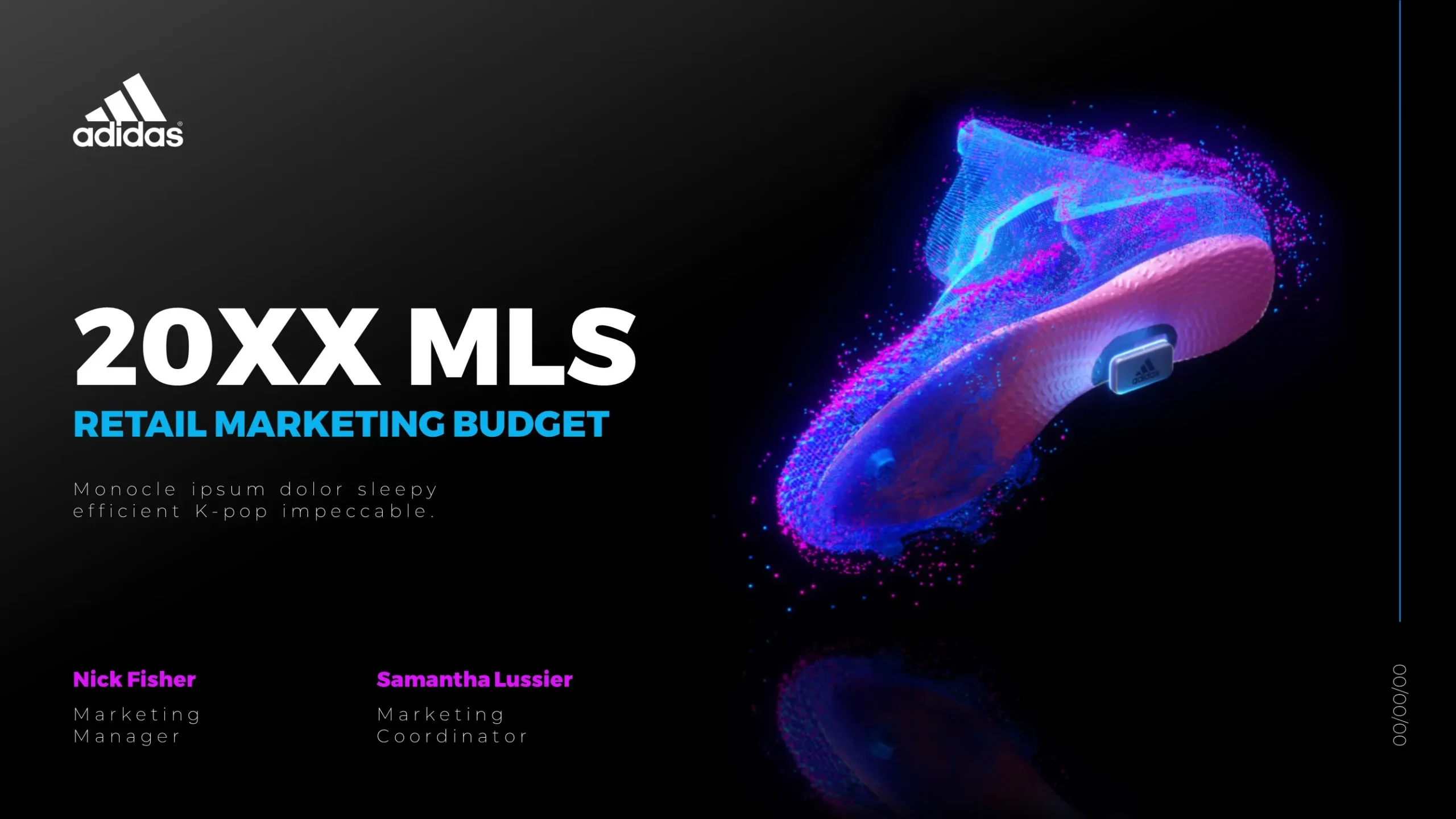
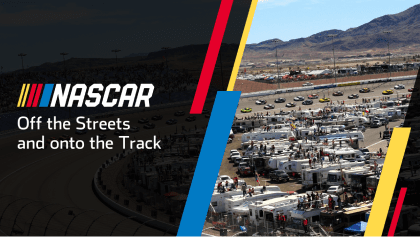
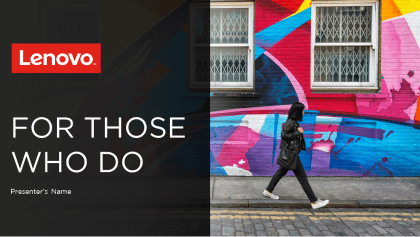
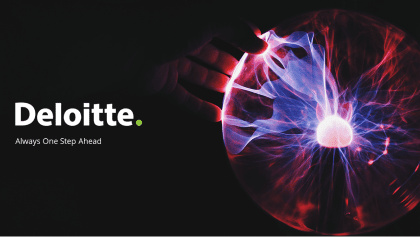
Need a presentation that wins the room? SlideGenius designs custom, high-impact decks for brands like Red Bull, Amazon, and Adidas. Browse our presentation design portfolio, explore our PowerPoint design services, or contact us for a free quote.