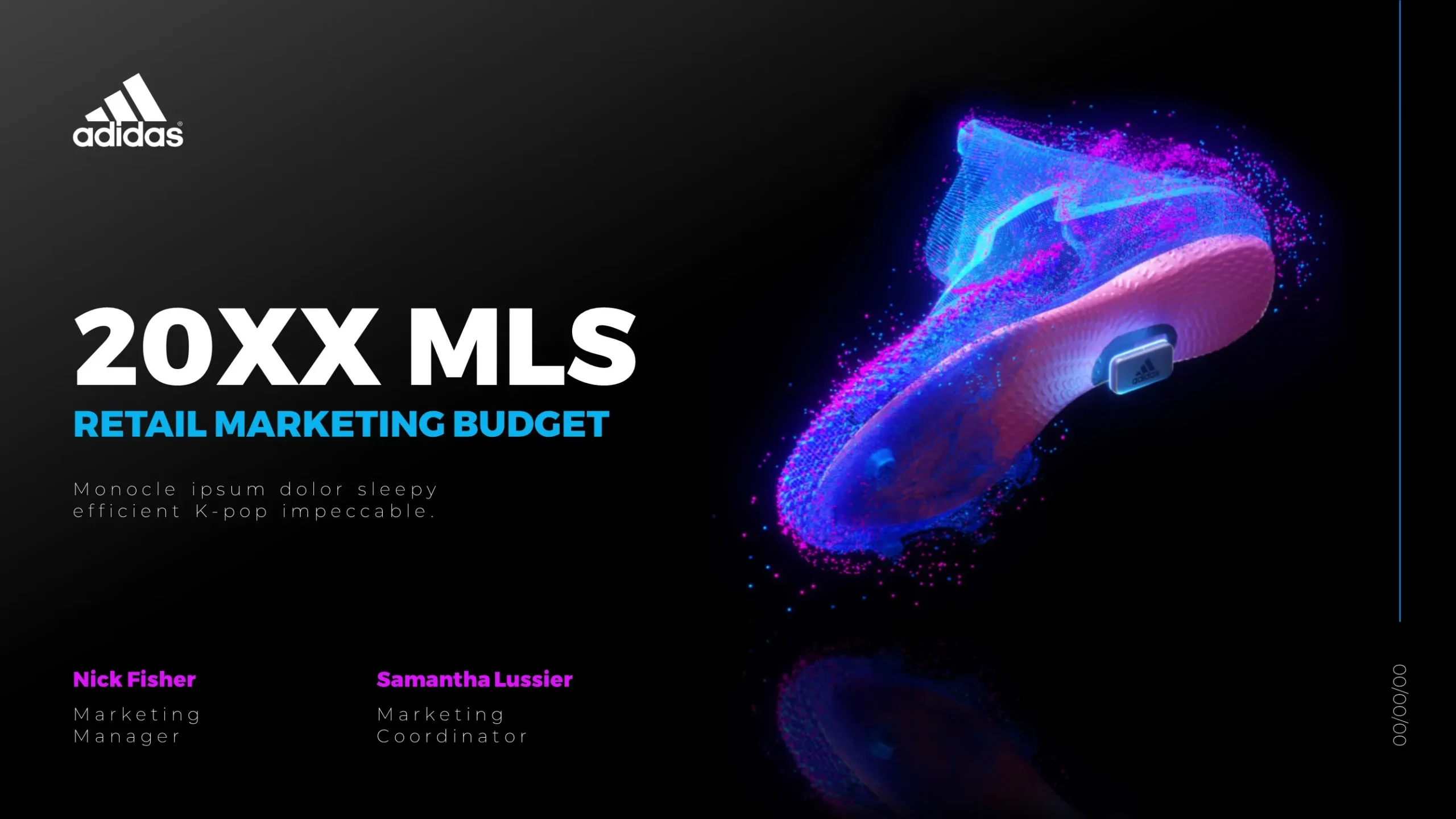
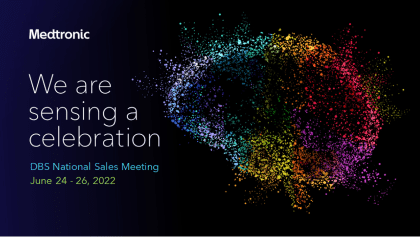
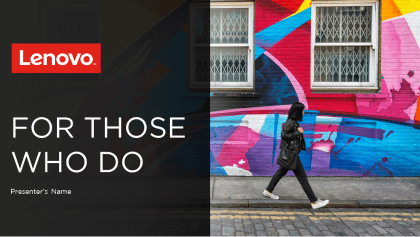
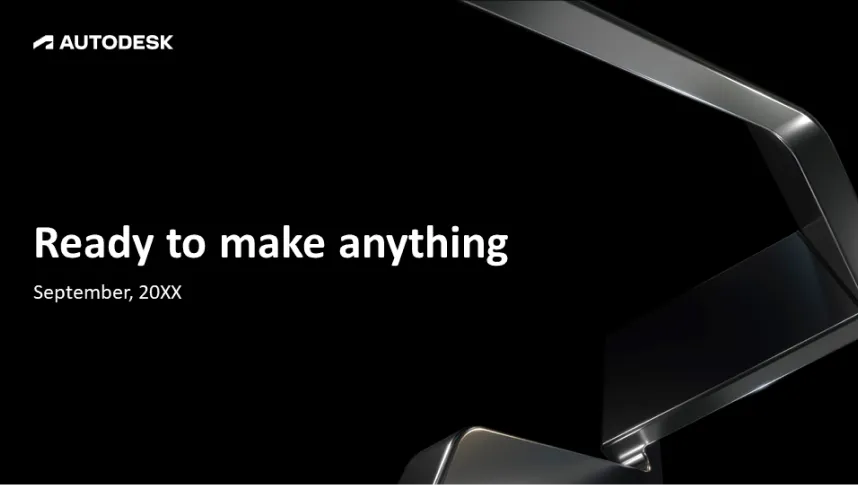
Using artificial intelligence in PowerPoint presentations offers a wide range of practical benefits that go well beyond simple automation. AI tools embedded in or connected to presentation software can analyze your content, suggest slide layouts, recommend color palettes, auto-generate speaker notes, and even rewrite dense bullet points into cleaner, more audience-friendly language. Rather than spending hours adjusting alignment or searching for stock visuals, presenters can focus on the substance of their message while AI handles the repetitive design and formatting decisions. This shift fundamentally changes how quickly a polished, professional deck can go from a rough outline to a finished product ready for delivery.
One of the most significant benefits is time savings during the creation phase. Traditional slide-building requires constant manual decisions about font sizing, image placement, and content hierarchy. AI-powered design assistants, such as those built into newer versions of presentation software or available as add-ins, can scan your text and instantly propose slide structures that follow established visual communication principles. For example, if you paste a 200-word paragraph onto a slide, an AI tool can automatically break it into three to five digestible bullet points, suggest a supporting icon or image style, and adjust the layout so that the slide reads cleanly at a glance. This kind of instant feedback loop accelerates iteration dramatically.
AI also improves presentation quality by bringing data-driven design intelligence to creators who may not have a background in graphic design. Consistency is a common problem in longer decks — fonts drift, spacing becomes uneven, and color use grows inconsistent across slides. AI design engines can audit an entire 40-slide deck and flag or automatically correct these inconsistencies within seconds, something that would take a human editor 30 to 45 minutes to do manually. Beyond aesthetics, AI tools can also analyze the readability score of your text, suggest simpler synonyms for technical jargon when your audience is general, and even recommend where to add a data visualization rather than a table of raw numbers, directly improving comprehension.
- AI-powered outline generators can transform a rough bullet-point brief into a fully structured, logically sequenced presentation framework in under two minutes, saving significant planning time during early drafting stages.
- Smart image suggestion features analyze your slide text semantically and recommend contextually relevant visuals from built-in libraries, eliminating guesswork and reducing the time spent on manual image searches by up to 70%.
- Automated speaker notes generation uses your slide content as context to produce talking-point drafts, giving presenters a strong starting scaffold that they can personalize rather than writing from scratch.
- Real-time grammar and tone checking within the slide editor catches passive voice, inconsistent tense, and overly complex sentence structures before the final version is shared with a live audience or executive stakeholder.
- AI translation features can automatically localize slide content into multiple languages simultaneously, making it practical for global teams to deliver the same presentation in five or more languages without hiring separate translators.
- Slide scoring or feedback tools, available in some AI-enhanced platforms, analyze pacing, text density, and visual balance and provide a numeric readability or engagement score, giving creators an objective benchmark to improve against.
- Presentation coaching features, such as those found in rehearsal-mode tools, use AI to analyze your spoken delivery speed, filler word frequency, and eye contact patterns via camera, providing specific post-session improvement reports.
The practical takeaway is that AI is most valuable in presentations when the creator is working under tight deadlines, producing high-volume content, or lacks design expertise. A good first step is to run an existing deck through an AI design checker to audit consistency before your next major presentation. That said, AI assistance is less suitable when highly specialized, hand-crafted visual storytelling is required — such as award ceremony keynotes or creative agency pitches — where a unique, bespoke aesthetic matters more than efficiency and the human creative touch cannot be substituted by algorithmic suggestions.
Need a presentation that wins the room? SlideGenius designs custom, high-impact decks for brands like Red Bull, Amazon, and Adidas. Browse our presentation design portfolio, explore our PowerPoint design services, or contact us for a free quote.