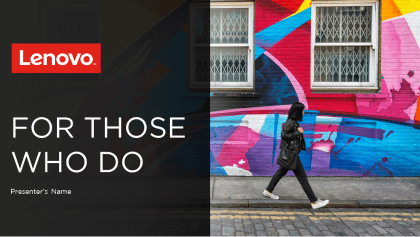
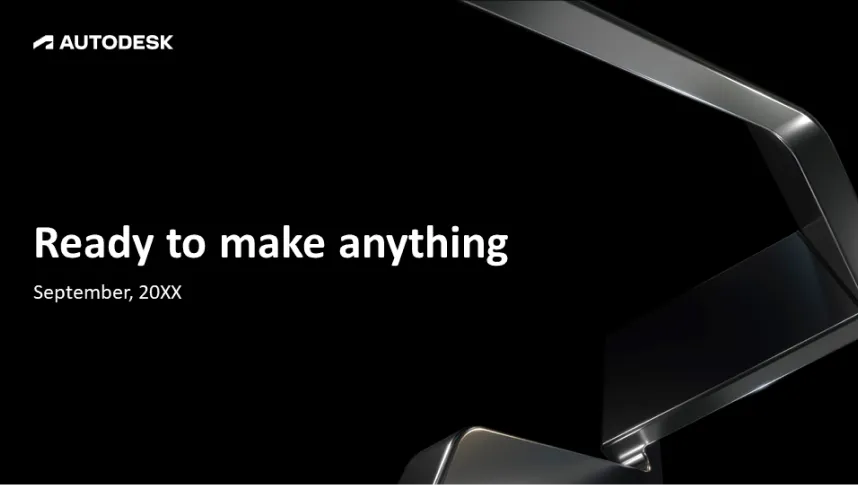
Using a dedicated presentation template site offers a structured, time-efficient way to produce professional-looking slides without requiring advanced graphic design skills. Instead of building layouts from scratch, you gain access to pre-built, visually consistent frameworks that handle spacing, typography, color harmony, and visual hierarchy automatically. This is particularly valuable for professionals who need to deliver polished decks under tight deadlines — whether for a board meeting, a classroom lecture, or a client pitch. The cognitive load of design decisions is significantly reduced, freeing you to focus on the content and narrative of your presentation rather than pixel-level formatting choices.
One of the most underappreciated advantages of template-based design is consistency across slides. When every slide shares the same font pairings, accent colors, and layout logic, the audience perceives the presenter as organized and credible. A common mistake DIY designers make is mixing too many typefaces or using inconsistent icon styles, which creates visual noise and undermines the message. Template sites solve this by enforcing a cohesive design system across an entire deck. For example, a 30-slide investor pitch built on a single cohesive template will always read more professionally than 30 individually designed slides cobbled together from different sources.
Another significant benefit is the breadth of use-case specialization. Good template libraries are segmented by industry, purpose, and visual style — meaning a nonprofit presenting its annual report has different structural needs than a tech startup pitching seed funding, and both can find layouts optimized for their context. Some template platforms also offer formats compatible with multiple software environments, including PowerPoint (.pptx), Keynote (.key), and Google Slides, which matters enormously in collaborative workplaces where teammates use different tools. Choosing a template already sized for a 16:9 widescreen ratio, for instance, prevents the awkward black-bar problem that occurs when a 4:3 deck is projected on a modern display.
- Reduce design time by starting with a fully structured master layout that already includes title slides, section dividers, data chart frames, and closing slides ready for your content.
- Maintain brand alignment by editing a template’s color palette in the slide master view, applying your organization’s hex codes across all 30+ slides in under two minutes.
- Avoid font licensing issues by using templates that bundle web-safe or open-license typefaces, preventing missing-font errors when sharing files across different computers or operating systems.
- Access professionally balanced data visualization layouts — bar chart placeholders, timeline infographics, and comparison tables — that are already sized correctly and don’t require manual resizing to fit the slide canvas.
- Present at a moment’s notice by keeping a library of 3-5 saved, pre-customized templates for recurring meeting types, such as weekly status updates or monthly KPI reviews, eliminating repeat setup work.
- Improve audience retention by using templates with intentional white space and large-text focal points, which research in presentation cognition suggests reduces extraneous cognitive load for viewers.
- Adapt quickly between formal and informal contexts by choosing from distinct style categories — minimalist corporate, bold creative, academic, or dark-themed — without redesigning from scratch each time.
The practical takeaway is that template-based presentation design is best suited for professionals who present frequently and need reliable, repeatable quality. Your most immediate next step is to identify your two or three most common presentation scenarios — a sales deck, a training module, an executive summary — and find or customize one strong template for each. However, this approach has limits: highly bespoke brand presentations, interactive data dashboards requiring live-data connections, or motion-graphic-heavy keynote events will eventually require a dedicated designer or specialized software like a full animation tool rather than a static template library.
Need a presentation that wins the room? SlideGenius designs custom, high-impact decks for brands like Red Bull, Amazon, and Adidas. Browse our presentation design portfolio, explore our PowerPoint design services, or contact us for a free quote.