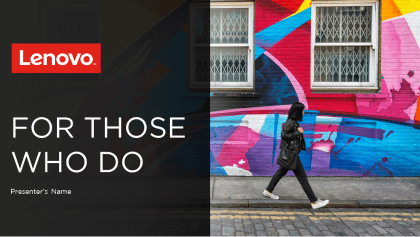
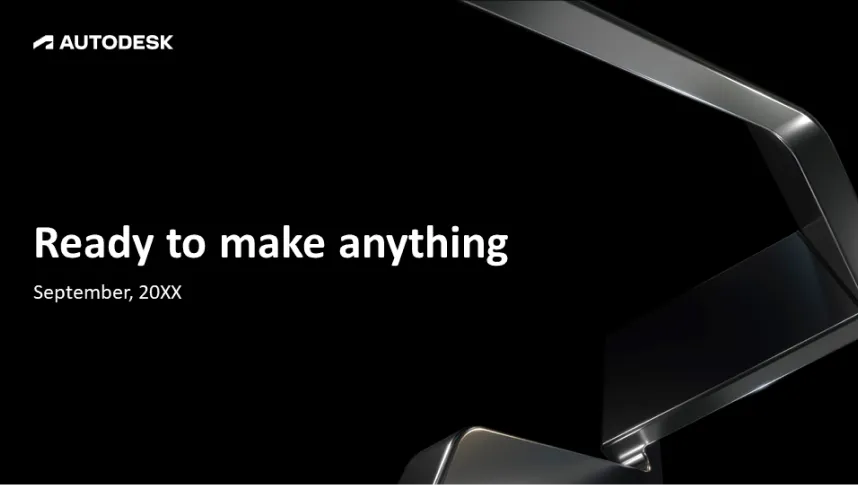
Office 365 includes a broad library of built-in PowerPoint themes that cover a wide range of visual styles, from minimalist and professional to bold and colorful. When you open PowerPoint and start a new presentation, you are immediately presented with a gallery of these themes on the start screen. Each theme bundles together a coordinated color palette, a set of fonts (typically one for headings and one for body text), background styles, and slide layout templates. The available themes include options like Facet, Ion, Slice, Office Theme, Retrospect, Wisp, Integral, Metropolitan, and dozens more, with Microsoft regularly adding new ones through cloud-connected updates in Microsoft 365.
Beyond the default built-in themes, Office 365 subscribers benefit from a continuously updated online theme gallery accessible directly within the application. When you navigate to the Design tab on the ribbon, you see the Themes group displaying your locally installed themes, but clicking the small dropdown arrow at the bottom-right of that gallery reveals additional themes that can be downloaded from Microsoft’s servers on demand. This means your available library is much larger than what appears at first glance. Each theme also comes with several built-in Variants — typically four color-scheme variations — displayed immediately to the right of the Themes gallery on the Design tab, allowing you to fine-tune the look without fully switching themes.
A common mistake presenters make is applying a new theme late in the design process after slides are already populated with custom formatting. When you switch themes mid-project, manually overridden text colors, font sizes, and background fills do not automatically update to match the new theme, which creates visual inconsistency. The best practice is to select your theme before adding substantial content, or to use the Reset Slide option (right-click a slide thumbnail and choose ‘Reset Slide’) after applying a new theme to force each slide back to the theme defaults. Another overlooked feature is the ability to apply a theme to only selected slides rather than the entire deck — useful when creating a section divider with a contrasting visual style.
- To apply a theme to your entire presentation, go to the Design tab, hover over any theme thumbnail to preview it live on your slides, then click to apply it globally across all slides.
- To apply a theme to only specific slides, select those slide thumbnails in the panel on the left, then right-click any theme in the gallery and choose ‘Apply to Selected Slides’ for targeted styling.
- To switch between color variants of the same theme, click one of the four Variants thumbnails on the right side of the Design tab, instantly changing the palette without altering layouts or fonts.
- To customize a theme’s colors, click the Variants dropdown arrow, select ‘Colors,’ then choose ‘Customize Colors’ to build a named custom palette saved for reuse across multiple presentations.
- To save your customized theme for future use, go to Design, click the Themes gallery dropdown, and select ‘Save Current Theme’ — it will appear under a ‘Custom’ section in every presentation you open on that device.
- To use an externally downloaded .thmx theme file (for example, a branded corporate template), go to the Themes gallery dropdown and select ‘Browse for Themes’ to import and apply it immediately.
- To apply a theme at creation time, simply click any theme thumbnail on the PowerPoint start screen before clicking ‘Create,’ which sets the theme before a single slide exists.
Choosing the right theme early and using variants to adapt it gives your presentations a polished, consistent look with minimal manual effort. A practical next step is to open a blank presentation, click through the Design tab gallery, and preview at least five or six themes live on a sample slide to understand how each one handles text contrast and image placement. Keep in mind that highly decorative themes like Ion Boardroom or Slice can compete visually with complex charts or dense data tables, so for data-heavy decks a simpler theme such as Office Theme or Facet usually produces cleaner, more readable results.
Need a presentation that wins the room? SlideGenius designs custom, high-impact decks for brands like Red Bull, Amazon, and Adidas. Browse our presentation design portfolio, explore our PowerPoint design services, or contact us for a free quote.