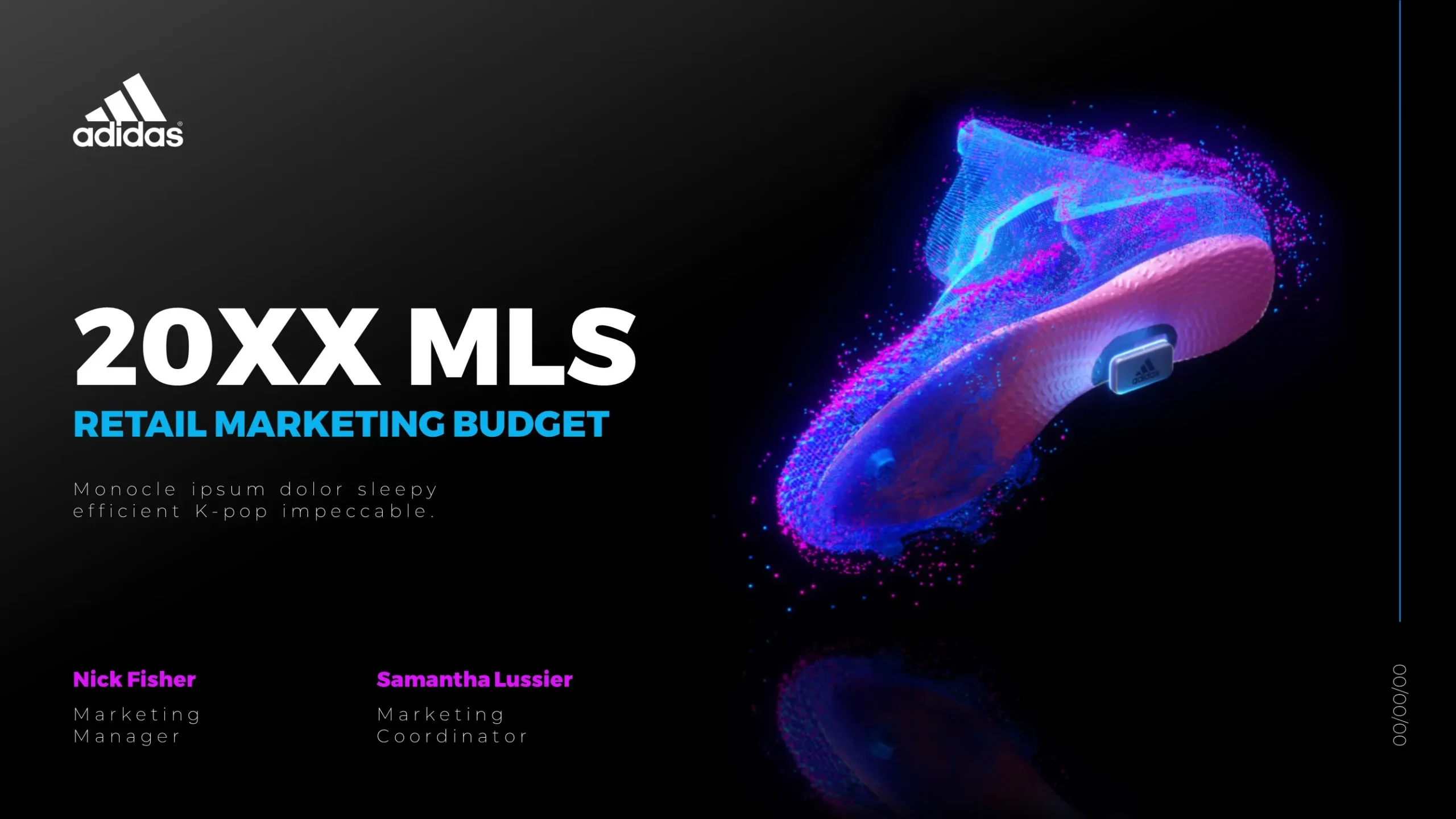
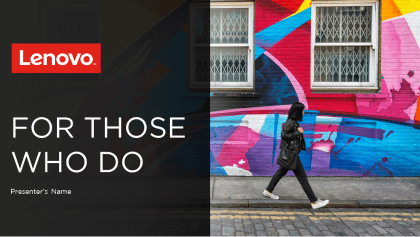
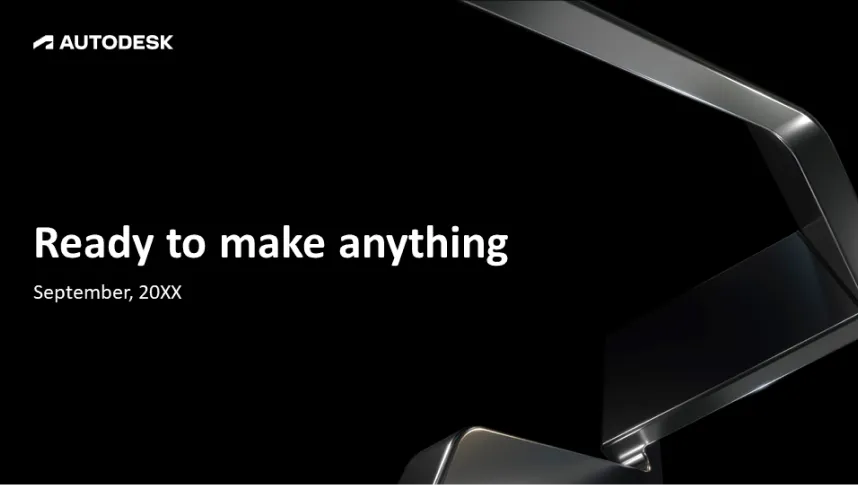
Designing an effective agenda slide in a PowerPoint presentation means striking a balance between clarity, visual hierarchy, and audience engagement — all within a single slide that typically appears early in your deck. An agenda slide should tell your audience exactly where the presentation is going, how long each section will take, and what they can expect to learn or decide by the end. When done well, it builds trust and reduces cognitive load; when done poorly, it becomes a wall of bullet points that nobody reads. The most effective agenda slides are simple, scannable, and visually consistent with the rest of the deck.
One of the most common mistakes presenters make is treating the agenda slide as an afterthought — pasting a plain bulleted list of topics without any visual structure. This approach misses a major opportunity to set the tone and orient your audience. Instead, think of your agenda slide as a roadmap graphic. Use numbered sections, icons, or a simple horizontal timeline to show the flow of content. If your presentation has four sections, consider using four distinct columns or tiles, each with a short label and a one-line descriptor. This visual chunking makes the structure immediately scannable, which is especially important in corporate settings where attendees may be joining mid-meeting or juggling multiple priorities.
Timing and context cues add significant value to agenda slides. Rather than just listing topics, include approximate time allocations next to each item — for example, ‘Market Overview (10 min)’ or ‘Q&A (5 min).’ This helps your audience mentally prepare and signals that you respect their time. Another underused technique is the ‘progress agenda’ — a recurring version of the slide that appears before each major section, with the current topic highlighted and previous ones visually dimmed or checked off. PowerPoint’s built-in Morph transition works particularly well for this because it smoothly animates the highlight shift between slides, creating a polished, professional look without requiring advanced animation skills.
- Keep your agenda to five or fewer items; more than six topics on a single slide creates visual clutter and makes it harder for your audience to remember the overall structure of your talk.
- Use a consistent icon set — such as a free icon library exported as SVG files — to give each agenda item a small visual anchor that aids memory and makes the slide feel intentional rather than rushed.
- Add subtle color coding where each agenda section gets its own accent color, then carry that color into the corresponding section divider slides throughout the entire presentation for visual continuity.
- Set a readable font size of at least 24pt for agenda item labels, since agenda slides are often viewed on projectors from 20 feet away where smaller text becomes completely illegible.
- Avoid using paragraph text on the agenda slide — limit each item to three to five words maximum so the slide can be absorbed in under ten seconds without the presenter needing to read it aloud word for word.
- Use PowerPoint’s ‘Zoom’ feature (Insert > Zoom > Slide Zoom) to make each agenda item a clickable thumbnail that jumps directly to that section, which is especially useful for interactive workshops or non-linear Q&A sessions.
- Test your agenda slide in Presenter View before the meeting to confirm that the layout holds up at different aspect ratios, particularly if you’re switching between a 16:9 widescreen and a 4:3 projector mid-event.
Ultimately, an effective agenda slide is judged not by how impressive it looks in the slide deck but by how well it serves your audience in the room. Start by drafting the slide in plain text first, then layer in the visual design — this prevents the design from obscuring the logical flow of your content. Keep in mind that this guidance applies best to structured, formal presentations; for short five-minute pitches or informal team stand-ups, a full agenda slide may actually slow things down and is better replaced by a single spoken sentence summarizing the goal of the meeting.
Need a presentation that wins the room? SlideGenius designs custom, high-impact decks for brands like Red Bull, Amazon, and Adidas. Browse our presentation design portfolio, explore our PowerPoint design services, or contact us for a free quote.