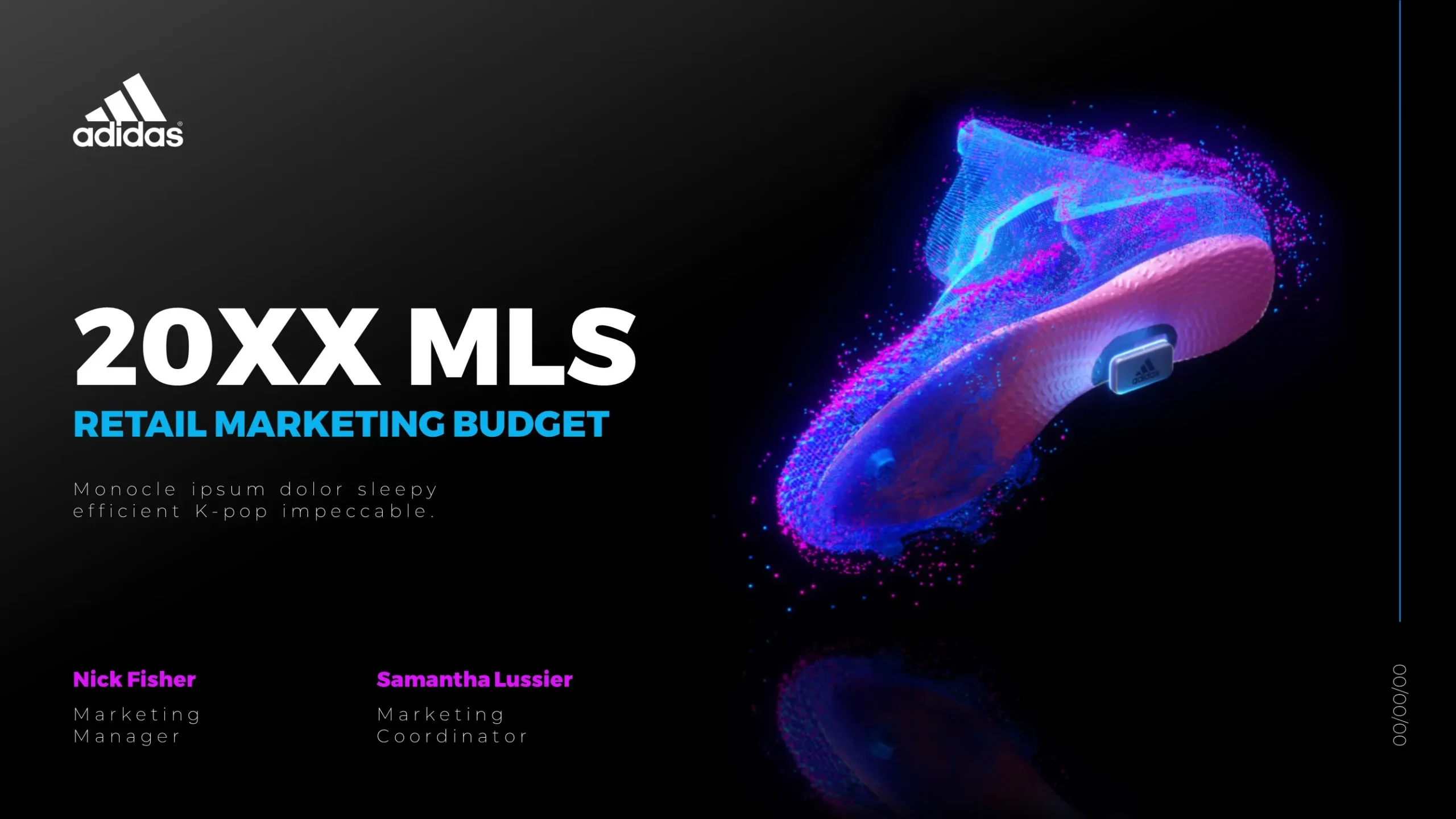
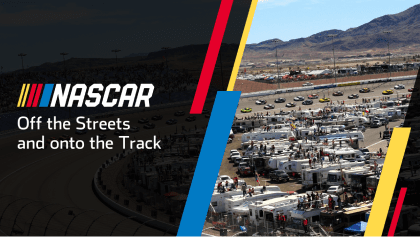
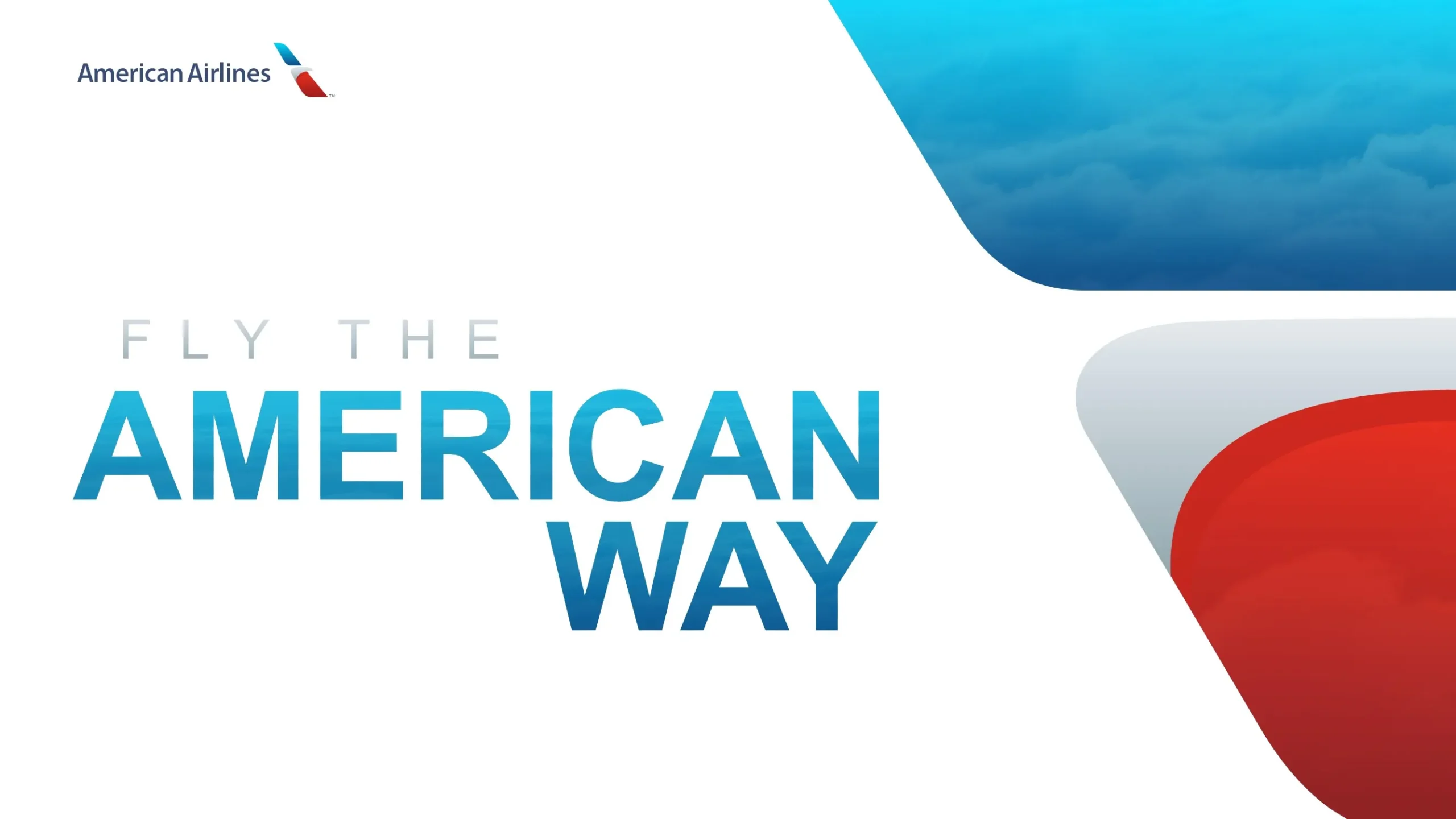
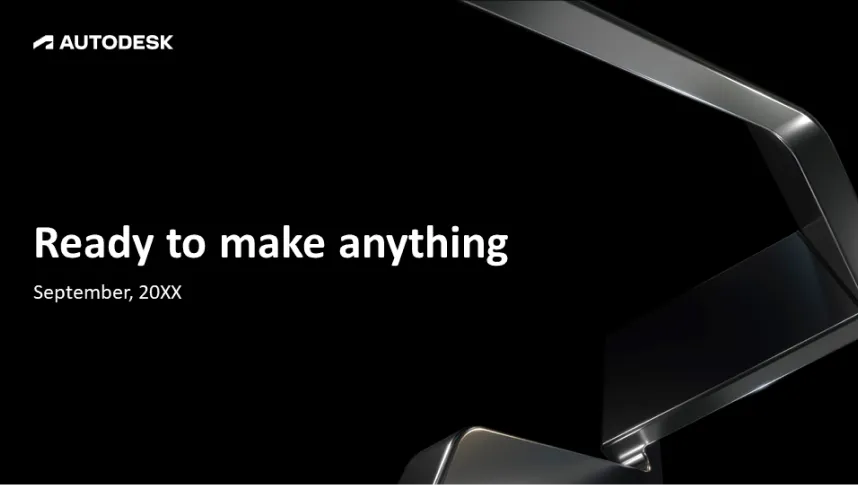
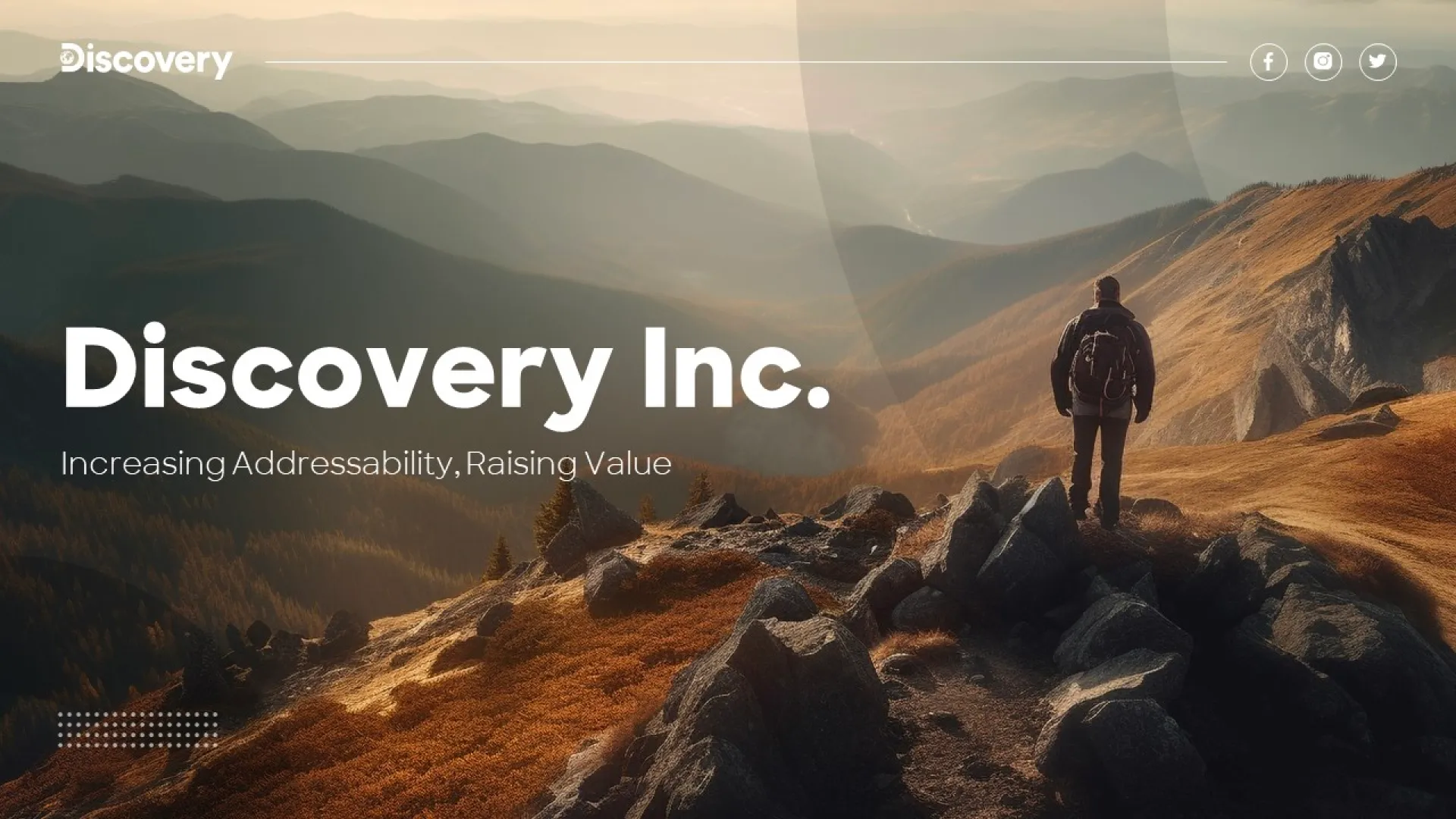
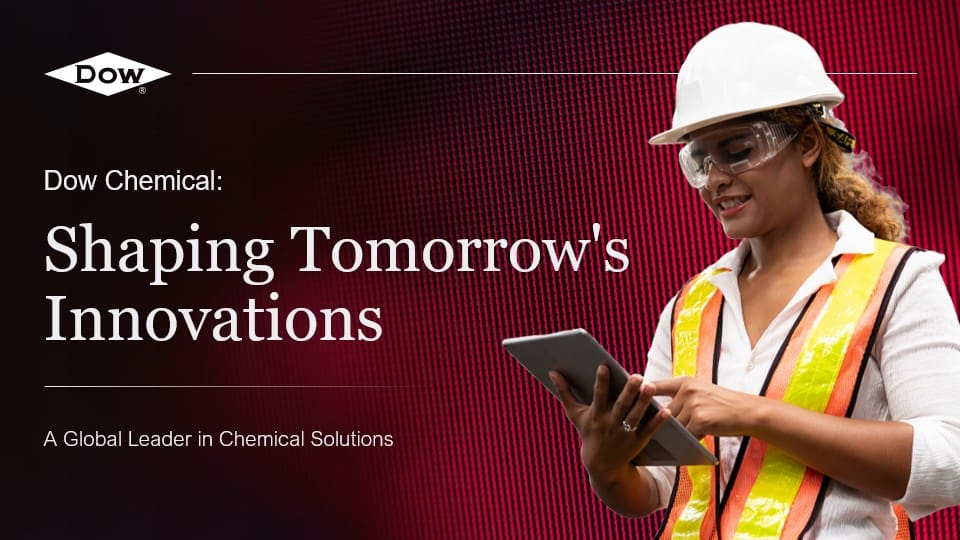
Recommended sponsorship proposal presentation templates typically share a common set of structural elements that make them effective: a compelling cover slide with your event or project name, a clear audience demographics section, a tiered sponsorship package breakdown, and a measurable return-on-investment summary. The best templates are not purely decorative — they guide the sponsor logically from why your audience matters to them all the way through to how to sign and pay. Whether you build from scratch in a presentation tool or download a pre-built deck, the template’s structure matters far more than its visual theme.
When choosing a sponsorship proposal template, consider the formality level your target sponsors expect. A community 5K race approaching local businesses can use a warm, colorful, two-page PDF layout, while a national tech conference pitching Fortune 500 brands should use a clean, data-forward slide deck — ideally 12 to 18 slides — with clear section breaks and white space. A common mistake is using a generic marketing deck template and simply relabeling it as a sponsorship proposal. This fails because sponsors are not buying a product; they are buying access, visibility, and association. Your template must explicitly make room for audience data, activation ideas, and exclusivity terms, which standard pitch decks rarely include by default.
Several template formats have proven reliable across industries. Slide-based formats built in tools like Google Slides or PowerPoint work well for presentations delivered in real-time meetings, where you walk a sponsor through the deck verbally. Document-style proposals built in tools like Canva’s multi-page layout or Adobe Express work better for emailed proposals, since the reader controls the pace. A strong document-style template will include a table of contents, numbered pages, and a signature block at the end. For recurring annual events, it is worth building a master template with placeholder fields — such as [SPONSOR NAME], [ACTIVATION BUDGET], and [LOGO TIER LEVEL] — so you can personalize each version in under 30 minutes without redesigning from scratch.
- A tiered packaging slide using three columns — Bronze, Silver, and Gold — helps sponsors self-select a commitment level without needing a back-and-forth negotiation before the first meeting.
- An audience demographics section with specific figures, such as ‘62% of attendees are aged 25–44 and hold purchasing authority in their organizations,’ builds immediate credibility with corporate sponsors evaluating ROI.
- An activation examples page showing three or four concrete ideas — branded lanyards, sponsored Wi-Fi login screens, or a naming-rights stage — helps sponsors visualize tangible value rather than abstract logo placement.
- A ‘Why Partner With Us’ slide that compares your event’s reach to a comparable regional competitor using real attendance or social media follower data makes your proposal stand out in a competitive sponsorship landscape.
- A testimonial or case study slide featuring a past sponsor’s measurable outcome, for example a 340% increase in booth sign-ups at a prior event, adds social proof that accelerates decision-making.
- A timeline slide showing key deadlines — proposal acceptance, asset submission, and event date — creates urgency and helps sponsors plan their internal approval processes in advance.
- A simple one-page summary at the very end that condenses the full proposal into a single visual serves as a leave-behind that decision-makers can share internally without forwarding the full deck.
The most practical next step is to choose your delivery format first — meeting presentation versus emailed PDF — and then build or download a template specifically designed for that format. Free starting points exist within Google Slides’ template gallery under the ‘Pitch’ category, and Canva offers several proposal layouts that can be adapted within an hour. Keep in mind this approach works best when you have real audience data to populate the demographics slide; if your event is brand new and lacks historical metrics, lead with your organizer credentials and comparable event benchmarks instead, as an empty data section will undermine an otherwise strong template.
Need a presentation that wins the room? SlideGenius designs custom, high-impact decks for brands like Red Bull, Amazon, and Adidas. Browse our presentation design portfolio, explore our PowerPoint design services, or contact us for a free quote.