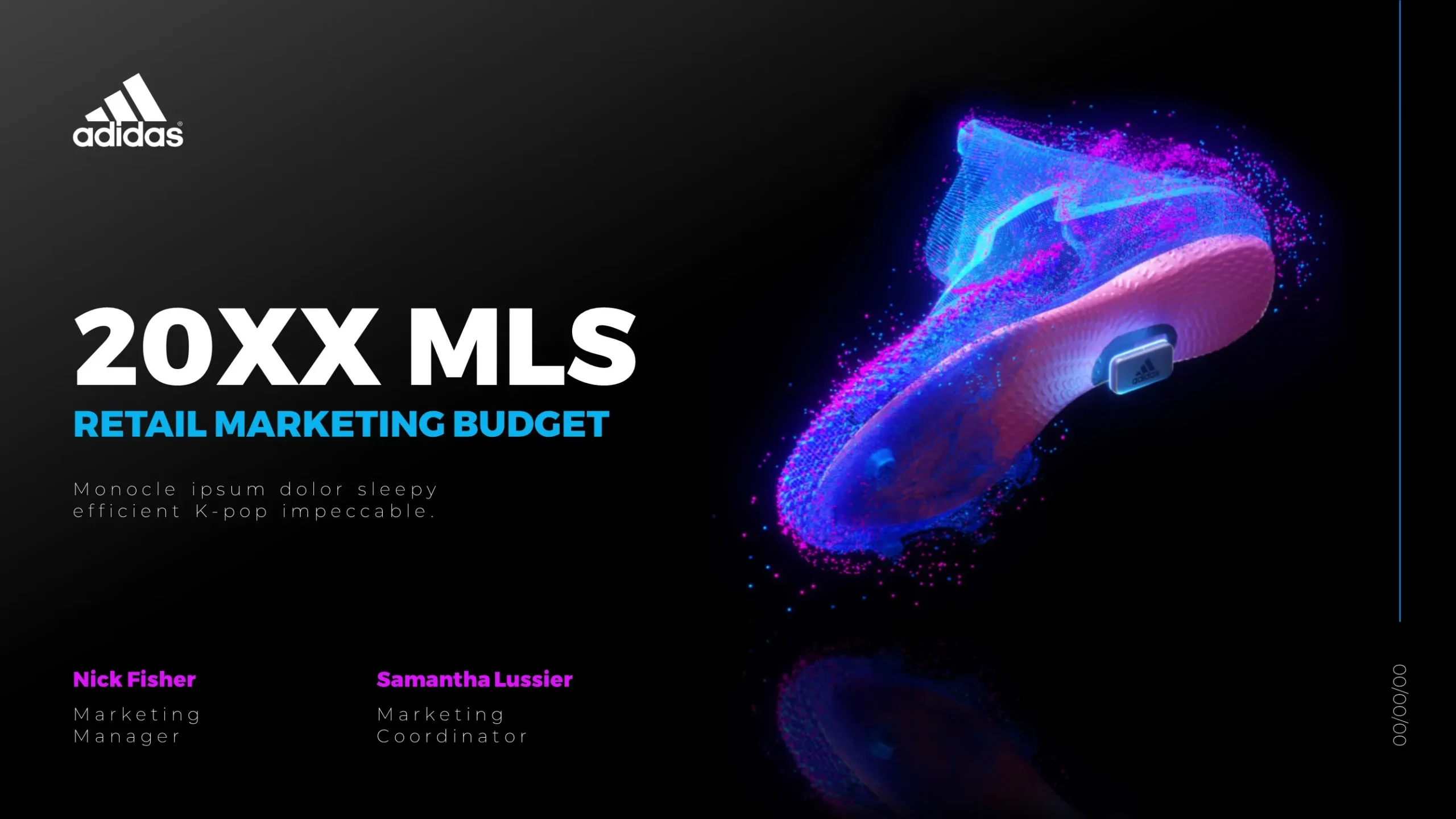
PowerPoint’s built-in Zoom feature — found under the Insert → Zoom menu in Office 365 and PowerPoint 2019 or later — lets you create interactive, non-linear presentations where slides or sections appear to fly in and out of a master overview slide, giving your audience a dynamic, map-like navigation experience. Rather than clicking through slides one by one, you can jump to any topic and return to a central hub, which makes your deck feel far more polished and intentional. Several template structures work especially well with this interaction model, and choosing the right one depends on your content type, audience size, and whether you are presenting live or sharing a self-guided file.
A Summary Zoom template uses a single overview slide that contains thumbnail tiles of each major section. When you click a tile, PowerPoint zooms into that section and automatically returns to the overview once the section ends. This structure works best for training decks, product roadmaps, or quarterly business reviews where your audience may want to revisit specific chapters. A common mistake is placing too many sections — more than seven tiles — on one overview slide, which shrinks thumbnails below readable size and defeats the visual purpose entirely. Aim for four to six section tiles with plenty of white space between them for maximum clarity.
A Slide Zoom template is more granular: instead of linking to whole sections, individual slides are embedded as interactive objects anywhere on a slide. This approach suits portfolio presentations, case-study walkthroughs, or interactive kiosks where different audience members may request different examples. A Section Zoom template, meanwhile, is the middle ground — it links to the first slide of a predefined section rather than a specific individual slide, making it ideal for structured webinars or course modules. One concrete scenario: a UX designer presenting three product prototypes can use Section Zoom to let a client choose which prototype to explore first, then return to the hub for the next one, creating a consultative rather than passive experience.
- Use the Summary Zoom layout with a dark background and high-contrast section thumbnails so each tile reads clearly even on projectors with low brightness or in brightly lit conference rooms.
- Apply a consistent color-coded border to each zoom tile — for example, blue for financial data sections and green for product roadmap sections — so viewers instantly understand the content category before clicking.
- Set the zoom tile transition duration to 0.75 seconds in the Zoom Tools → Format ribbon to create a smooth, professional fly-in effect without making the animation feel slow or distracting.
- Use Section Zoom in a hub-and-spoke diagram layout where the central circle contains your core thesis and each spoke leads to a supporting argument section, making the logical structure visually explicit for analytical audiences.
- In a self-guided kiosk scenario, enable Kiosk Mode under Slide Show settings alongside Slide Zoom so viewers can explore freely without accidentally advancing past important content or closing the presentation.
- Layer a semi-transparent shape over each zoom thumbnail and use a brief icon (a chart icon, a lightbulb, a gear) to signal content type visually before the audience reads the section title text beneath it.
- Test your zoom template in Presenter View before going live, because nested zoom interactions can occasionally misfire if slide sections were defined after zoom links were created, causing broken navigation that is invisible in normal editing mode.
The most practical starting point is to open PowerPoint, go to Insert → Zoom → Summary Zoom, and let the application auto-generate a hub slide from your existing sections — then customize the tile layout, typography, and background from there rather than building from scratch. This approach cuts setup time significantly. Keep in mind that Zoom templates lose their interactivity when exported to PDF or played in compatibility mode on PowerPoint 2016 or earlier, so always confirm your delivery environment supports the feature before committing to this structure for a high-stakes presentation.
Need a presentation that wins the room? SlideGenius designs custom, high-impact decks for brands like Red Bull, Amazon, and Adidas. Browse our presentation design portfolio, explore our PowerPoint design services, or contact us for a free quote.