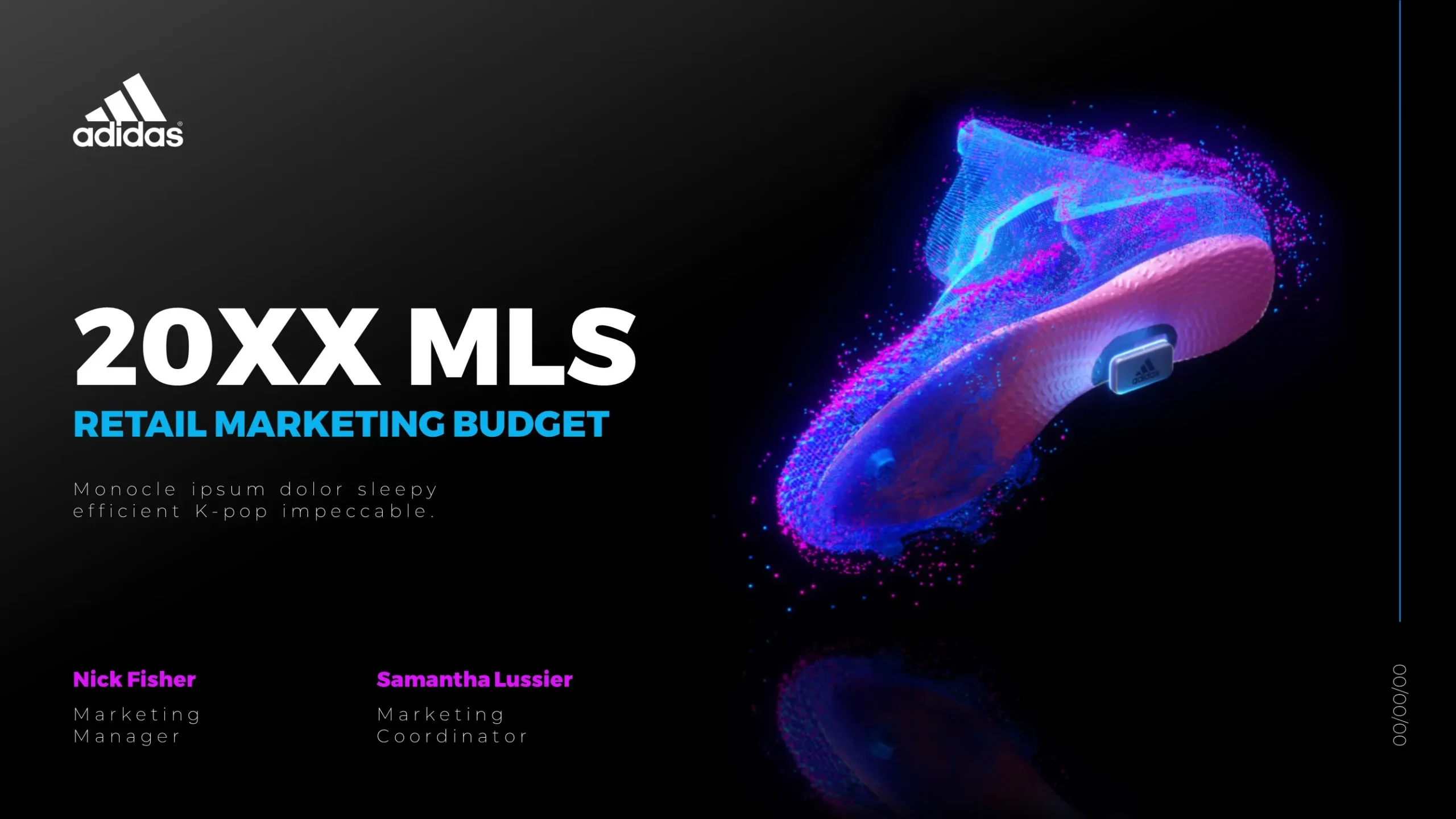
When preparing an ERP presentation, the right PowerPoint template can dramatically improve how your message lands with stakeholders, executives, or end users. Recommended templates generally fall into a few categories: project timeline templates that visualize implementation phases, system architecture diagrams that explain module relationships, and ROI and business case decks that justify investment. Platforms such as SlideModel, Slidesgo, and Envato Elements host professionally designed ERP-specific templates that include pre-built slides for go-live roadmaps, process flow charts, KPI dashboards, and change management plans — all of which are core sections any ERP deck needs to cover thoroughly.
Before choosing a template, consider your audience. A C-suite business case presentation requires a different visual hierarchy than a training deck for warehouse floor staff or a technical architecture review for your IT department. Executive-facing templates typically lead with a concise problem statement, a financial summary slide, and a high-level timeline, whereas technical templates benefit from data-flow diagrams, module dependency maps, and integration architecture visuals. Matching template structure to audience intent is one of the most commonly overlooked steps — many presenters grab a visually impressive template only to find that its slide sequence forces them to bury the business value deep in the deck where decision-makers rarely reach.
A well-structured ERP presentation template typically follows an eight-to-twelve slide arc: an executive summary, a current-state pain point slide, a proposed solution overview, a module breakdown, an implementation roadmap (often shown as a Gantt-style or swimlane timeline), a resource and budget slide, a risk and mitigation section, and a call-to-action. Templates that already include this sequence save significant prep time. For instance, a Gantt-style template pre-built for a three-phase rollout — Phase 1: Discovery and Design, Phase 2: Configuration and Testing, Phase 3: Go-Live and Hypercare — lets you simply populate dates rather than building the logic from scratch. Similarly, templates with embedded icon sets for finance, HR, supply chain, and manufacturing modules give your deck an immediately professional, domain-specific feel without requiring a graphic designer.
- Look for templates that include a pre-formatted implementation roadmap slide with at least three swimlanes, so you can represent workstreams like IT, training, and process redesign simultaneously without additional editing.
- Choose a template with a dedicated KPI or metrics slide that includes placeholder charts, since quantifying ERP benefits — such as a 20% reduction in order cycle time — is critical for executive buy-in.
- Select templates that offer both light and dark color scheme variants, because ERP demos often switch between a bright conference room and a darkened screen-share environment during the same meeting.
- Prioritize templates that include a risk register or mitigation table slide, as ERP projects are high-stakes and executive audiences almost always ask about change management and budget overruns.
- Use a module-overview slide template that shows interconnected nodes rather than a flat list, since visualizing how finance, procurement, and inventory modules share a single data source is often more persuasive than bullet points alone.
- If presenting to a mixed technical and business audience, select a template with a dual-layer architecture diagram that separates the user experience layer from the backend integration layer for clarity.
- Check that the template’s fonts are system-safe choices like Calibri or Arial, because ERP presentations frequently get forwarded and edited across organizations where custom fonts may not be installed, causing layout breaks.
Ultimately, the best ERP presentation template is the one that maps most closely to the specific decision you need your audience to make — whether that is approving a budget, signing off on a go-live date, or completing user training. Start by identifying your single desired outcome, then select a template whose slide sequence naturally builds toward that conclusion. Keep in mind that templates do not replace strong data: fill every placeholder with real metrics, actual timelines, and named stakeholders. This approach does not work as well for informal working sessions or agile sprint reviews, where a whiteboard or simple one-pager is usually more effective than a polished deck.
Need a presentation that wins the room? SlideGenius designs custom, high-impact decks for brands like Red Bull, Amazon, and Adidas. Browse our presentation design portfolio, explore our PowerPoint design services, or contact us for a free quote.