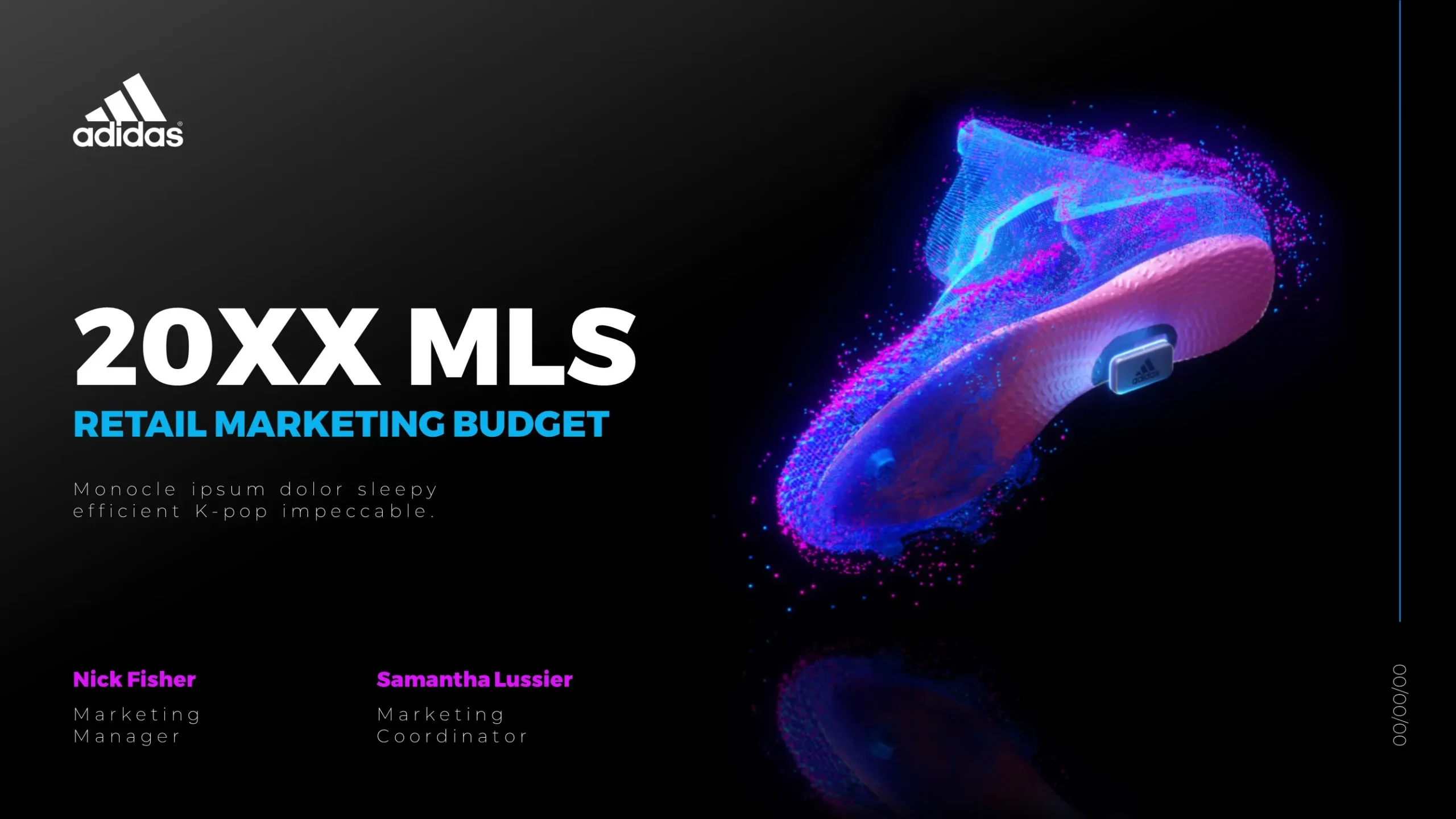
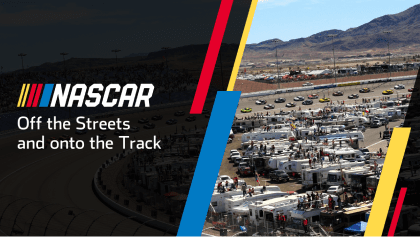
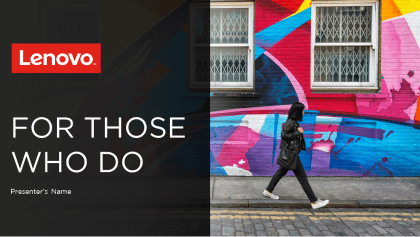
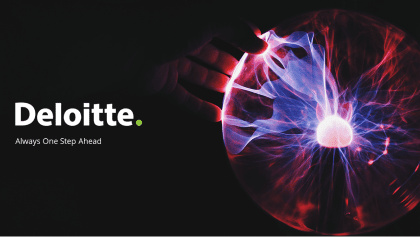
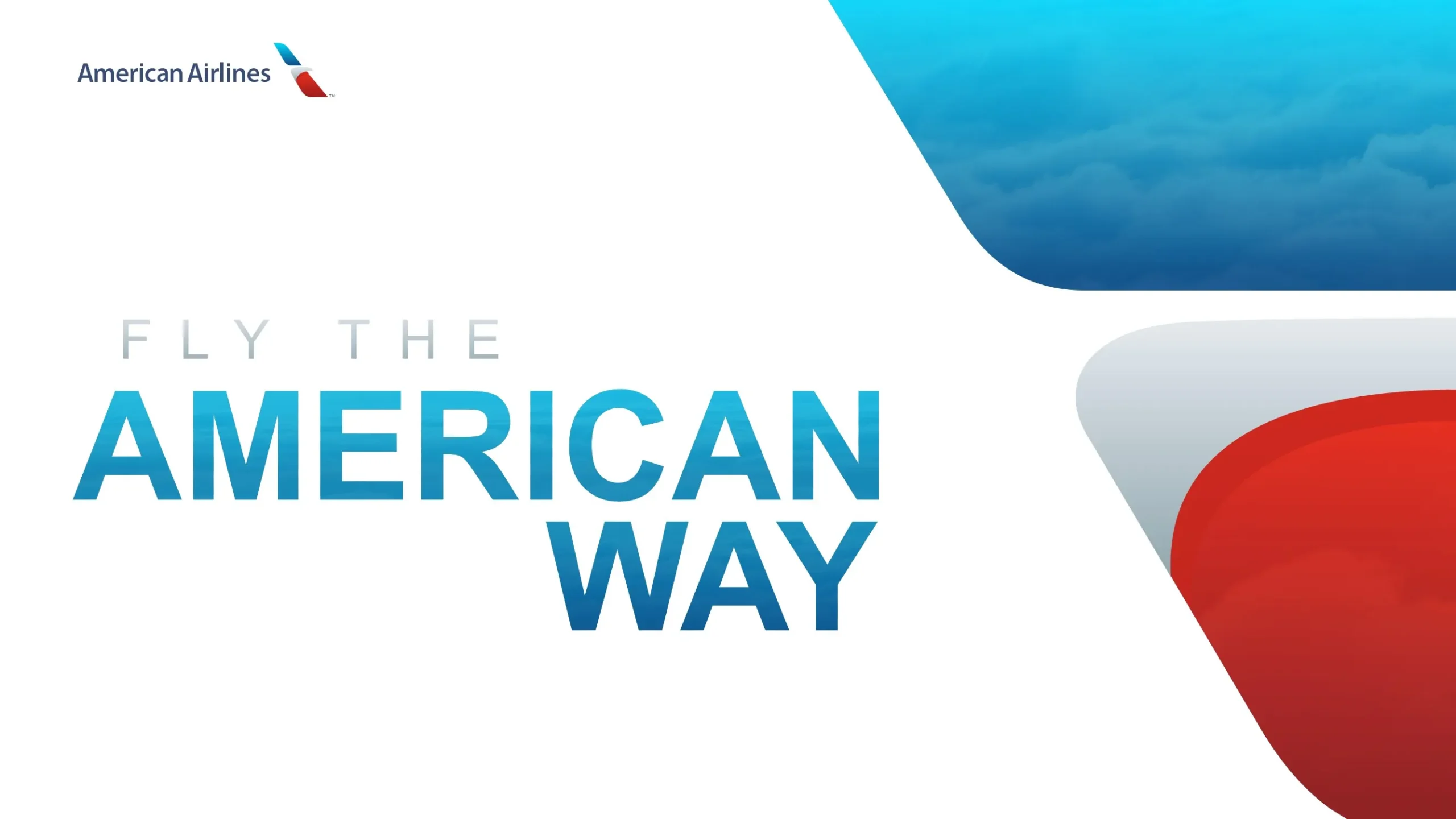
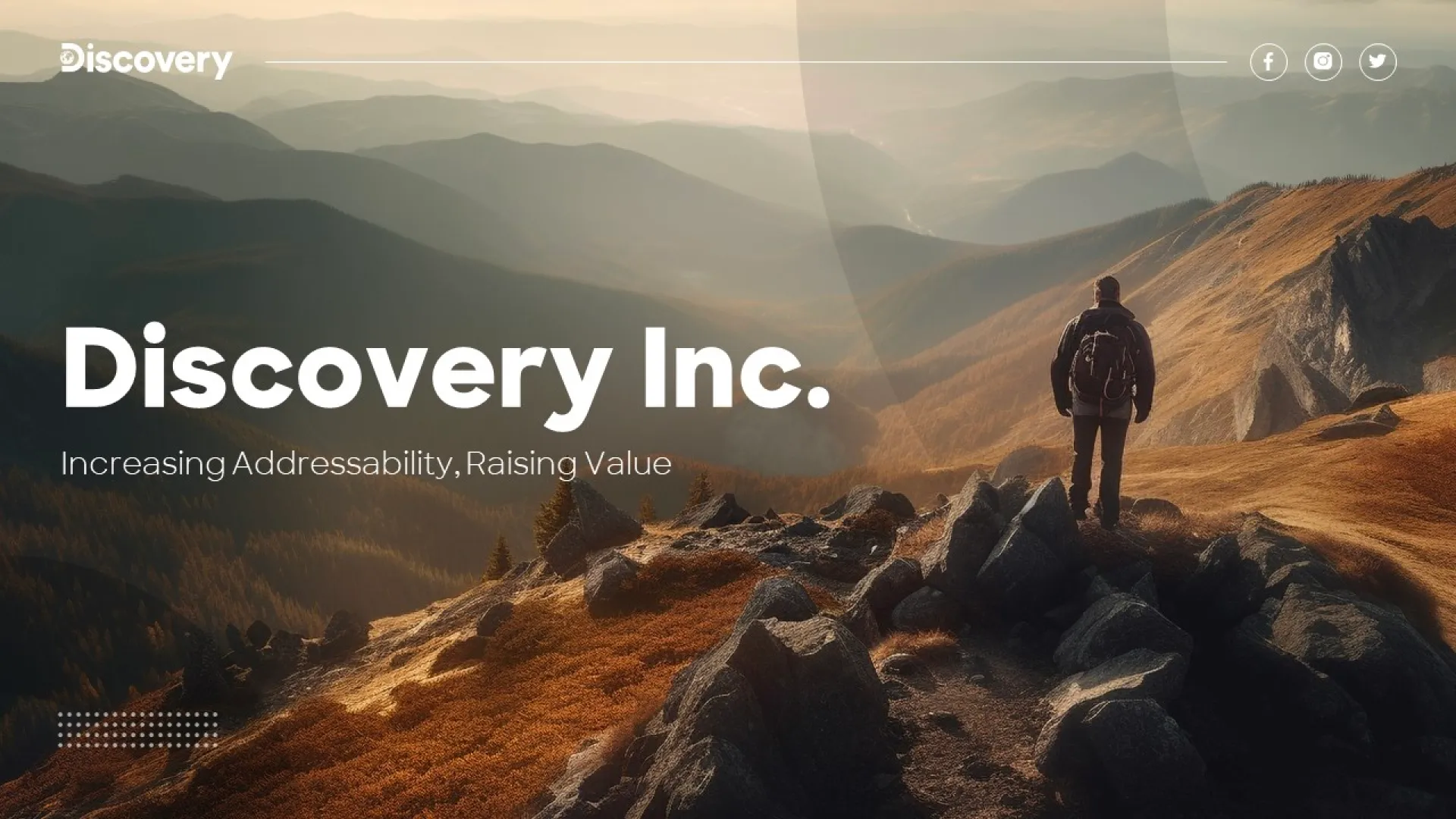
Vision board presentations are curated visual displays — typically built in slideshow or poster format — that combine images, words, color palettes, and symbolic graphics to communicate goals, brand identity, or personal aspirations. They differ from standard presentations because the emphasis is on emotional resonance rather than data. A strong vision board presentation might span 5 to 20 slides and use a cohesive mood-board aesthetic, pulling together textures, typography, and photography to make an audience feel the intended direction before a single data point is shown. They are used in branding, personal development, marketing strategy kick-offs, and interior design pitches.
The most common format is the personal life goals board, which organizes ambitions across life categories such as career, travel, health, and relationships. In a presentation context, each category gets its own slide with evocative imagery and short affirmation phrases rather than bullet points. A second popular format is the brand identity vision board, used by designers and marketers to align stakeholders on the visual and emotional direction of a product before full creative production begins. This version typically includes color hex codes, font pairings, competitor mood references, and adjective clusters like ‘warm,’ ‘minimalist,’ or ‘bold.’ Both formats rely on deliberate curation rather than volume of content.
A common mistake is overcrowding the slides with too many images and words, which dilutes the emotional signal. Each slide should communicate one dominant feeling or theme. Another mistake is inconsistent visual hierarchy — mixing too many font styles or color families makes the board feel chaotic rather than aspirational. Tools like Canva (which offers pre-built vision board templates at 1920×1080 resolution) or Adobe Express allow users to maintain visual consistency through locked style guides. Some teams even build interactive vision boards using presentation software set to full-screen kiosk mode, looping through slides automatically for office installations.
- A career advancement vision board might feature a slide per milestone — promotion timeline, target job titles, desired skills — each paired with a single powerful image representing achievement in that domain.
- A startup pitch vision board uses 8 to 10 slides to communicate brand personality, target customer lifestyle, and market positioning through photography and color rather than charts, warming up investors emotionally before the financial deck.
- A fitness and wellness board organizes 90-day goals visually, using before-and-after concept imagery, motivational typography, and macro nutrition targets displayed as infographic-style icons rather than tables.
- An interior design concept presentation groups material swatches, furniture silhouettes, and lighting references onto thematic slides labeled by room, giving clients a tactile sense of the final space before construction begins.
- A content marketing vision board lays out the brand voice, target audience persona imagery, platform-specific aesthetic standards (such as Instagram grid color blocking), and seasonal campaign themes across 12 monthly slides.
- A team culture vision board, used in corporate onboarding, showcases company values through real workplace photography, employee quotes in stylized typography, and symbolic icons representing collaboration and innovation.
- A wedding planning vision board compiles venue aesthetics, floral arrangements, color palettes (for example, dusty rose and sage green), table setting inspirations, and attire references into a single cohesive slideshow for vendor alignment.
The most effective vision board presentations succeed because they create shared emotional clarity among everyone who views them — whether a design team, a life coach client, or a boardroom of executives. To get started, pick one primary goal or theme, choose three to five adjectives that describe how it should feel, and build your color palette and imagery selections around those descriptors before adding any text. Note that this format is less appropriate when your audience needs detailed data, timelines, or technical specifications — in those cases, supplement the vision board with a separate analytical deck rather than trying to combine both formats into one document.
Need a presentation that wins the room? SlideGenius designs custom, high-impact decks for brands like Red Bull, Amazon, and Adidas. Browse our presentation design portfolio, explore our PowerPoint design services, or contact us for a free quote.