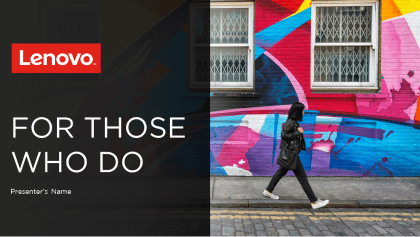
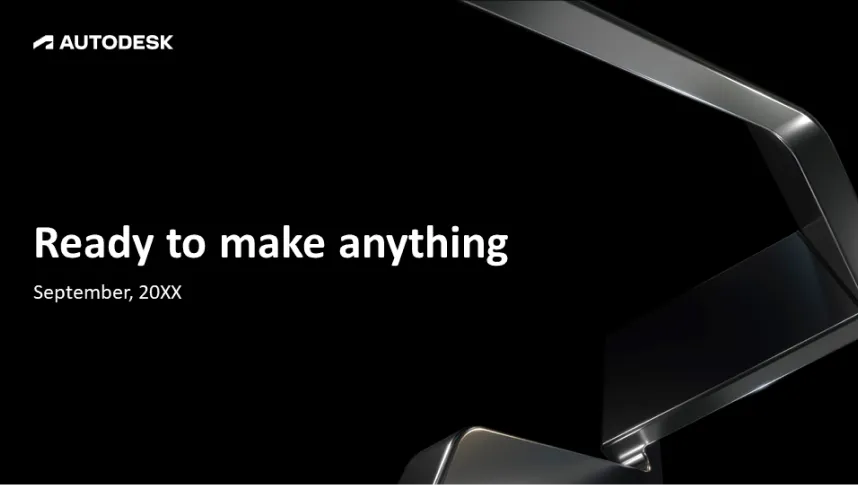
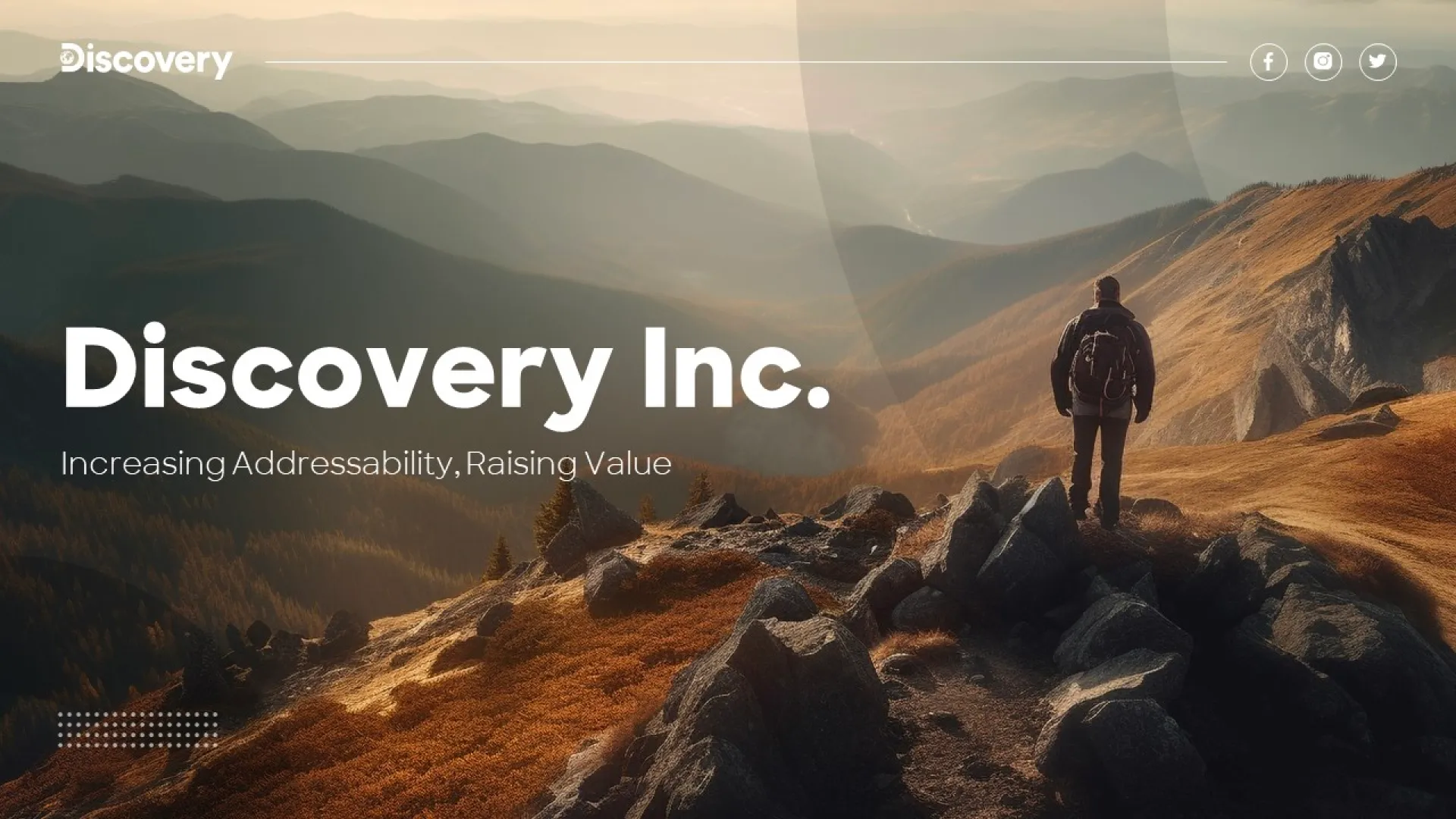
Short film pitch decks that have successfully attracted funding and collaboration typically share a few essential qualities: they lead with a compelling logline, establish a clear visual language early, and demonstrate that the filmmaker understands their target audience. While most professional pitch decks are kept private, studying documented examples from festival circuit films, film school showcases, and publicly shared crowdfunding campaigns reveals consistent structural patterns. A strong deck usually runs between 10 and 18 slides, balancing story summary with production feasibility, tone references, and a transparent budget breakdown that signals professionalism to potential investors or collaborators.
One of the most frequently referenced structural models comes from short films that have gone on to win awards at Sundance or SXSW. These decks almost always open with a mood board or visual reference page before the logline, immediately anchoring the reader in the emotional world of the film. This is a deliberate choice: financiers and producers respond to feeling before logic. Contrast this with academic pitch decks from programs like NYU Tisch or AFI, which tend to lead with the synopsis and director statement, prioritizing narrative clarity over atmosphere. Neither approach is universally superior — the right choice depends on whether your film is concept-driven or character-driven.
A common mistake first-time filmmakers make is creating a pitch deck that reads like a screenplay breakdown rather than a persuasive document designed to provoke a specific response — typically a meeting, a financial commitment, or a letter of intent. Every slide should answer the implicit question: ‘Why does this film need to exist, and why is this team the right one to make it?’ Crowdfunding campaigns for short films on platforms like Indiegogo or Seed&Spark frequently publish partial pitch decks as part of their public campaign pages, and studying these reveals how experienced filmmakers balance emotional urgency with practical credibility. Pay particular attention to how they frame the director’s previous work, even when that work is minimal.
- A mood board slide featuring 6 to 8 carefully curated film stills, photography references, and color palette swatches communicates tone faster than any written description and shows visual intentionality to collaborators.
- Including a one-paragraph director’s vision statement that connects your personal biography to the story’s themes makes the project feel urgent and irreplaceable rather than generic or interchangeable.
- A brief ‘comps’ slide listing 2 to 3 comparable short films with their festival placements — such as a Sundance Jury Prize winner or a BAFTA-nominated short — establishes credibility and positions your film within a proven market.
- A production timeline broken into pre-production, principal photography, and post-production phases with realistic week-by-week milestones signals organizational competence and reduces perceived risk for potential investors or co-producers.
- A transparent budget summary slide showing top-line categories — crew, equipment, locations, post-production, and festival submissions — with a total between $5,000 and $30,000 anchors expectations and opens a concrete financial conversation.
- A ‘why now’ slide that connects the film’s themes to a current cultural conversation, a trending social issue, or an underrepresented perspective gives funders a reason to prioritize your project over competing proposals with similar budgets.
- A closing ‘ask’ slide that specifies exactly what you need — whether equity investment, in-kind equipment sponsorship, or a letter of support for a grant application — removes ambiguity and makes it easy for collaborators to say yes immediately.
The most practical next step is to download three or four publicly available pitch decks from film grants such as the IFP Narrative Lab or from Seed&Spark campaigns in your genre, then reverse-engineer their structure by noting which slides appear in every deck versus which are optional. This analysis will reveal a repeatable framework you can adapt to your own project. Keep in mind that pitch decks are less effective for ultra-experimental films with no clear genre home, where a personal letter, a short teaser reel, and a one-page treatment may communicate your vision more honestly and persuasively than a formal slide presentation.
Need a presentation that wins the room? SlideGenius designs custom, high-impact decks for brands like Red Bull, Amazon, and Adidas. Browse our presentation design portfolio, explore our PowerPoint design services, or contact us for a free quote.