A strong 3-minute business pitch follows a tight, proven structure that covers the problem, your solution, the target market, your business model, and a clear ask — all within roughly 450 words spoken at a natural pace of about 130-150 words per minute. The best reference examples share a common thread: they open with a vivid, relatable problem statement that hooks the audience immediately, spend the bulk of their time demonstrating unique value, and close with a specific, confident call to action. Studying real examples with this lens will help you understand not just what to say, but how pacing, emphasis, and story arc work together to make a pitch memorable and persuasive.
One of the most widely studied formats is the ‘problem-solution-traction’ arc. Imagine you are pitching a platform that connects freelance nurses with understaffed rural clinics. You would open by stating that rural hospitals face a 30% nursing vacancy rate that costs lives, then introduce your app-based staffing marketplace as the solution, then quickly show that you have already placed 200 nurses across 12 clinics in a pilot program. This three-beat rhythm — pain, remedy, proof — works for virtually every industry and is the backbone of most successful investor-facing pitches. Traction numbers, even early ones, are critical because they convert skepticism into curiosity within a very short window of time.
Another powerful reference model is the ‘customer story’ format, where instead of leading with market statistics, you open with a single named (or composite) character who embodies your ideal customer’s frustration. For example: ‘Maria runs a 12-person catering company. Every Monday morning she spends four hours manually reconciling invoices in a spreadsheet, which means she misses vendor discounts and overpays by an average of $800 per month. Our software eliminates that entirely.’ This narrative approach is especially effective for B2B SaaS, professional services, and consumer apps because it grounds abstract features in human experience, making your solution instantly understandable even to non-technical judges or investors.
- Open with a single, emotionally resonant statistic or short story that forces the audience to feel the problem before you even mention your product or company name.
- Spend no more than 30 seconds on the problem statement so that you preserve the majority of your allotted time for demonstrating the solution and showing traction or validation data.
- State your unique differentiator in one plain sentence — for example, ‘Unlike existing platforms that charge per booking, we charge a flat monthly subscription, which cuts costs by 40% for high-volume users.’
- Include a market size figure with a source or logical derivation, such as ‘The U.S. gig healthcare market is $12 billion annually, and we are targeting the underserved rural segment worth $1.4 billion.’
- Rehearse transitions between sections aloud at least ten times so that moving from problem to solution to ask feels conversational rather than scripted or stilted during the real presentation.
- Close with a specific ask — whether that is a $150,000 seed investment, a pilot partnership, or an introduction to a distributor — rather than a vague request for feedback or interest.
- Time yourself with a stopwatch and aim to finish at 2 minutes and 45 seconds so that you have a natural buffer without rushing or awkwardly cutting off mid-sentence.
When building your own 3-minute pitch, choose whichever reference format — problem-solution-traction or customer story — best fits your audience. Investor panels respond well to traction data and market sizing, while accelerator demo days or classroom presentations often favor the narrative format because judges evaluate communication clarity as heavily as business viability. One important caveat: this 3-minute format does not work well for highly technical products that require extended explanation; in those cases, a brief explainer slide or physical demo prop can substitute for words. Start drafting today by writing your problem statement in two sentences, and time everything from there.
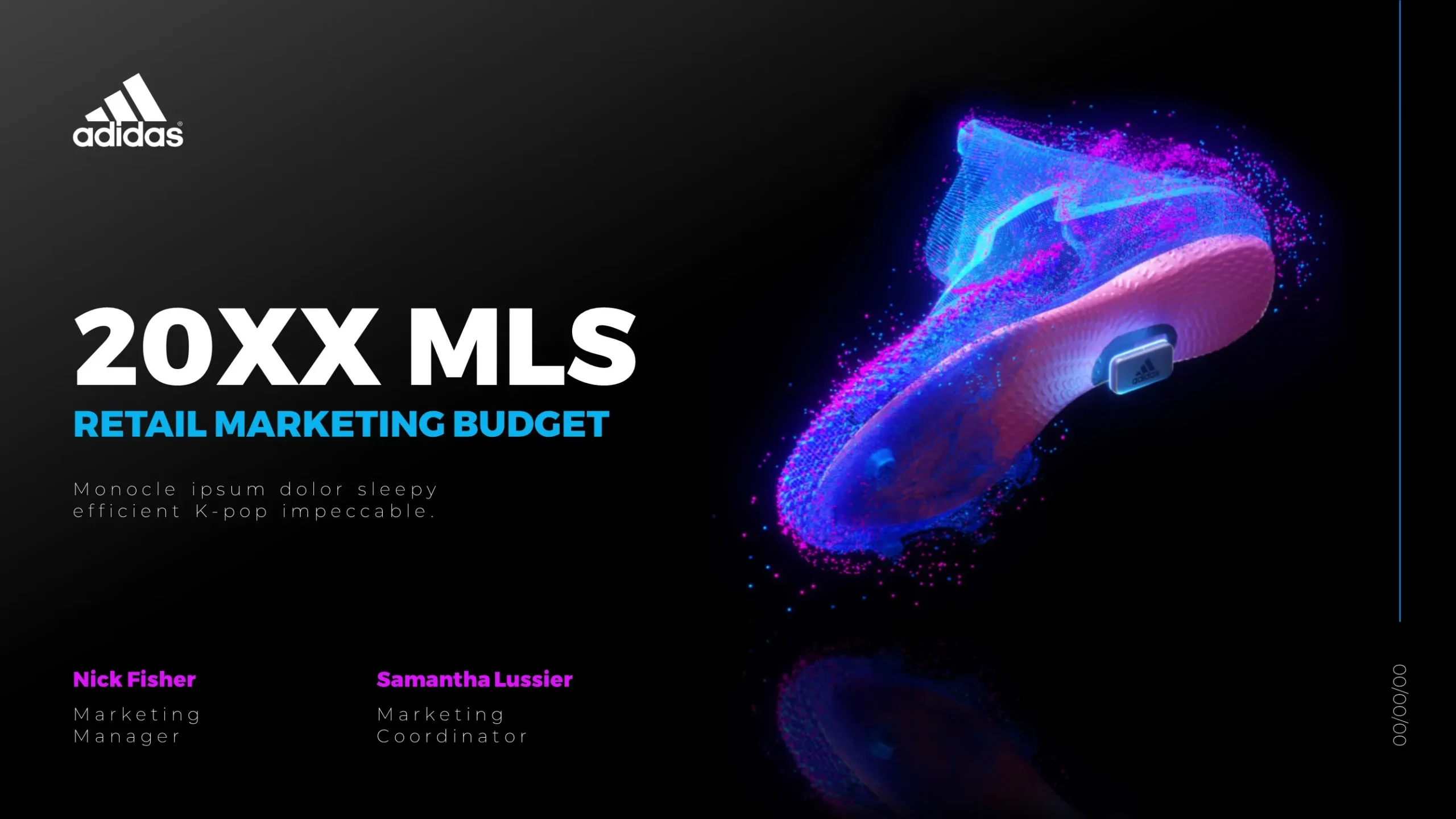
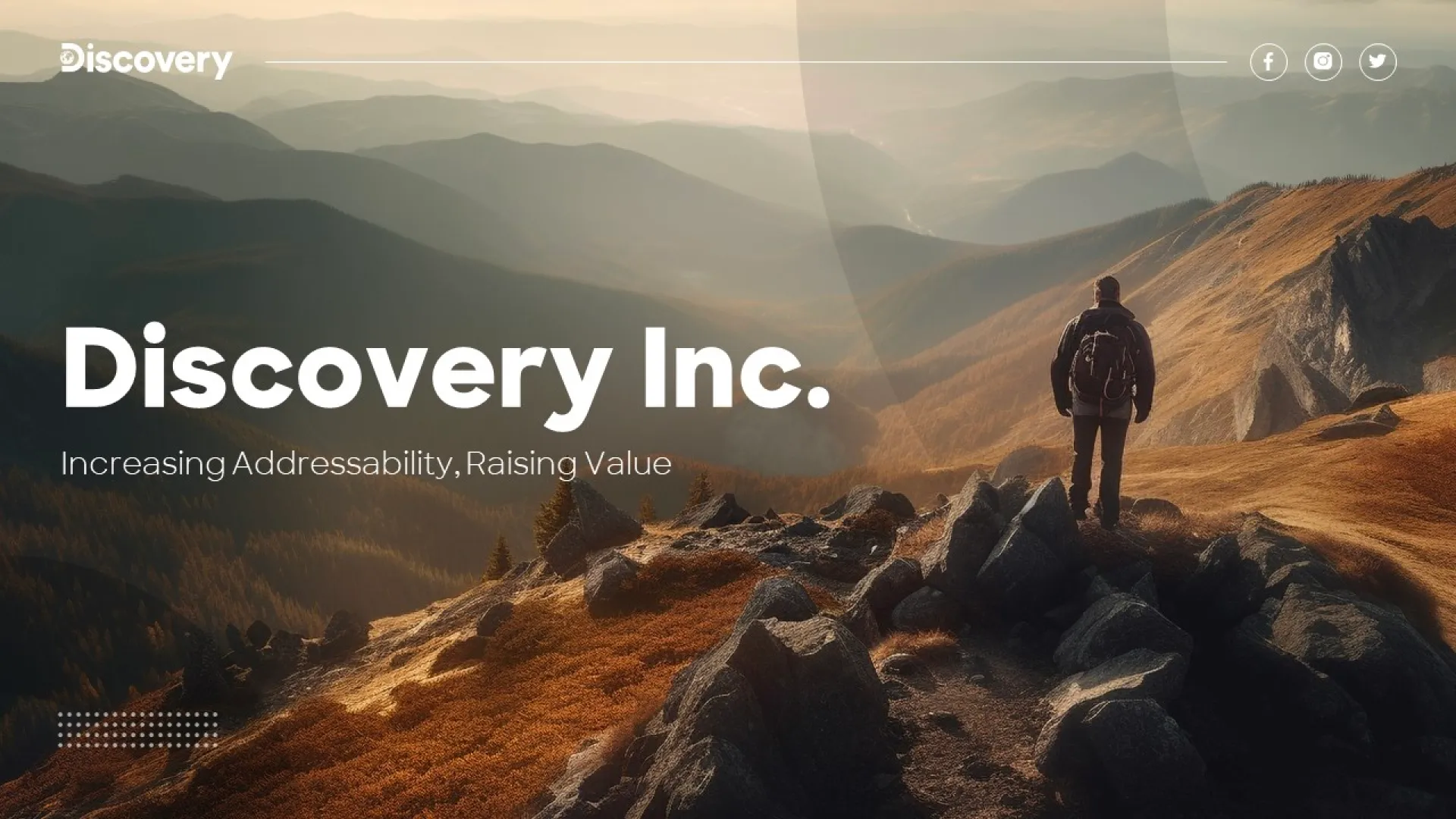
Need a presentation that wins the room? SlideGenius designs custom, high-impact decks for brands like Red Bull, Amazon, and Adidas. Browse our presentation design portfolio, explore our PowerPoint design services, or contact us for a free quote.