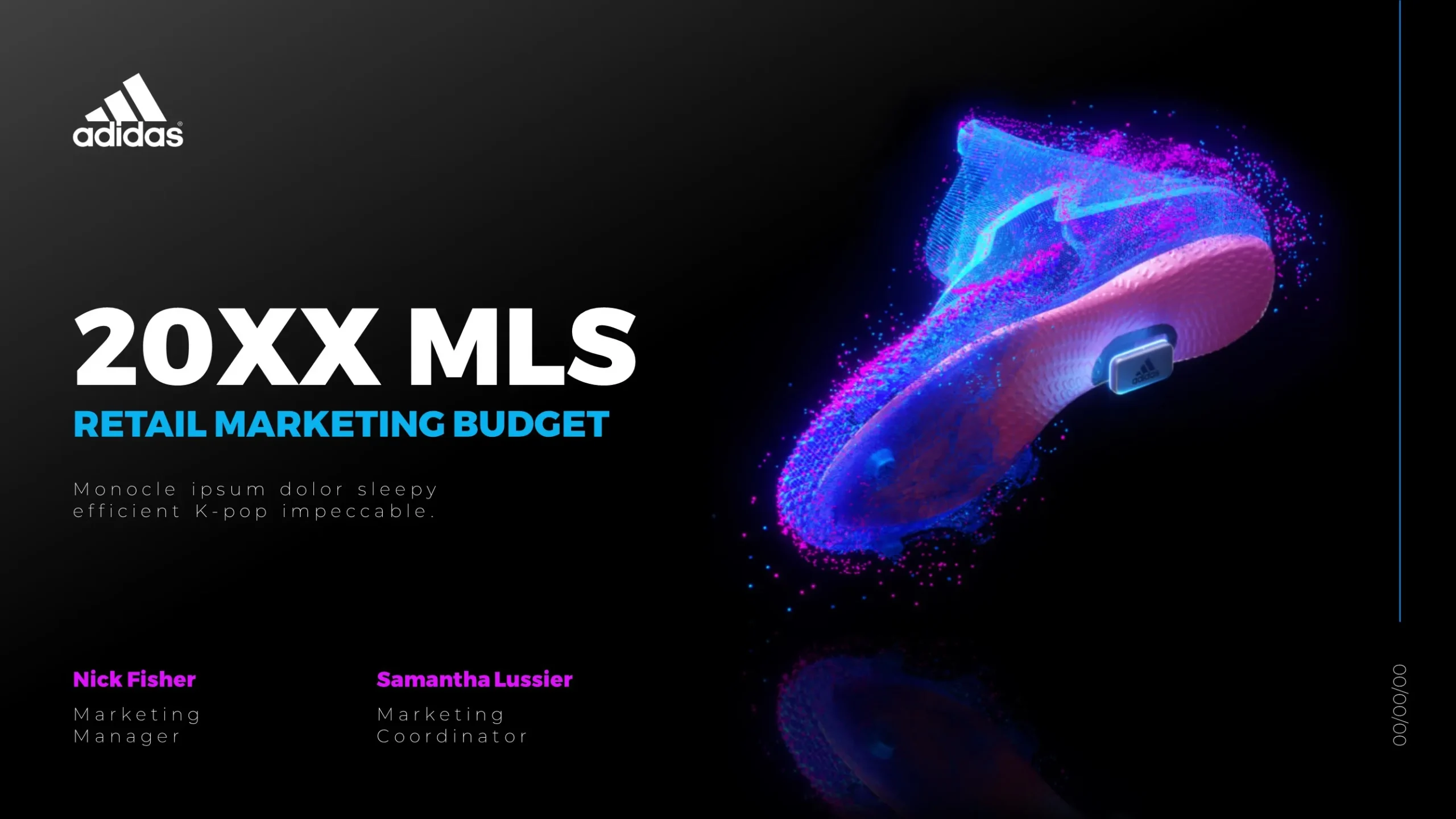
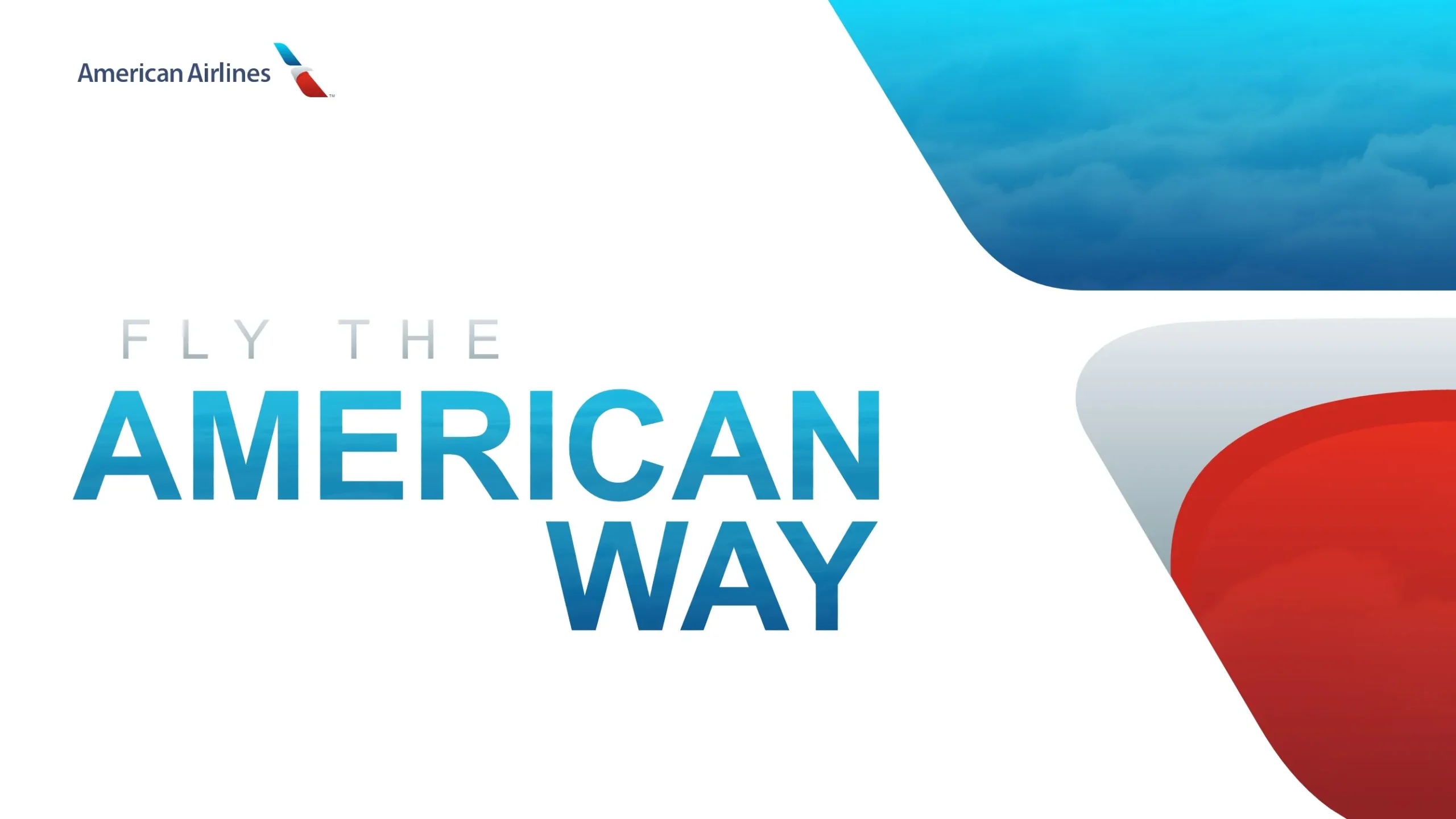
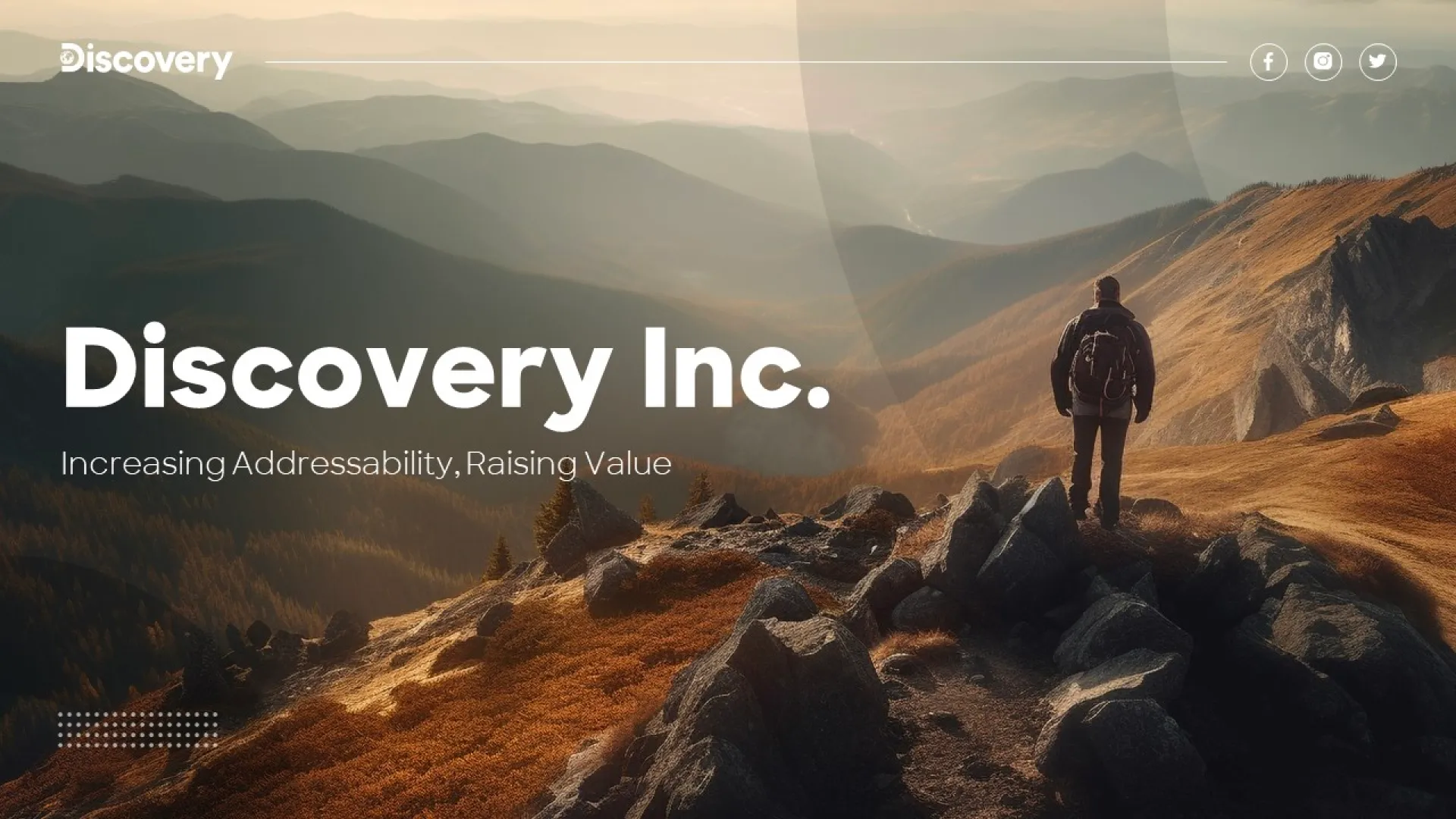
An effective influencer pitch deck is a structured visual presentation that communicates your value as a content creator to potential brand partners, typically running between 10 and 18 slides and covering your audience demographics, content style, past performance metrics, and collaboration options. The best examples share a few key traits: they open with a compelling personal brand statement, they use real data rather than vanity metrics, and they make it effortless for a brand manager to say yes by clearly outlining deliverables, timelines, and pricing. A pitch deck that converts a cold email into a paid partnership almost always tells a coherent story rather than dumping raw statistics onto slides.
One of the most commonly cited effective formats is the case-study deck, where a creator devotes two or three slides to a single past partnership, showing exactly what content was produced, what the engagement rate was (typically expressed as a percentage of total followers, with anything above 3% considered strong on most platforms), and what business outcome the brand saw — for example, a 14% lift in site traffic during a campaign week. This approach works because it replaces abstract claims with verifiable proof. A travel creator might show a before-and-after of a hotel brand’s booking inquiry rate during a sponsored series, while a fitness creator might highlight a supplement brand’s promo-code redemption count. Concrete results, even modest ones, dramatically outperform vague claims like ‘highly engaged audience.’
Another proven structure is the audience-first deck, which front-loads three or four data-rich slides covering follower age brackets, geographic split, gender ratio, peak activity hours, and top-performing content categories before ever mentioning rates. This structure works especially well for micro-influencers (typically 10,000–100,000 followers) whose primary selling point is niche specificity rather than raw reach. A home-organization creator with 28,000 followers and an audience that is 79% homeowners aged 30–55 in high-income zip codes is genuinely more valuable to certain brands than a lifestyle creator with 500,000 broadly distributed followers, and an audience-first deck makes that argument visually and immediately. Including a screenshot from your analytics dashboard — with date ranges visible — adds authenticity that a brand’s influencer-marketing team will notice.
- Use a hook slide as your very first page, featuring one striking metric or quote from a previous brand partner, because brand managers often decide within seconds whether to keep reading a pitch document they received unsolicited.
- Include a content pillar slide that maps your three to five recurring themes — such as ‘budget cooking,’ ‘kitchen gadget reviews,’ and ‘meal prep for families’ — so brands can instantly identify topical alignment with their product category.
- Dedicate one slide to platform-specific performance benchmarks, showing your average views, saves, shares, and click-through rates per platform, because a creator active on both short-form video and a long-form blog has meaningfully different value on each channel.
- Add a tiered rate card slide that lists three collaboration packages — for example, a single static post, a three-video series, and a full campaign with exclusivity — so brands with different budgets can self-select without a back-and-forth negotiation.
- Feature a testimonial or brand logo slide listing previous partners (even small or local brands count), because social proof signals reliability and reduces the perceived risk a brand takes when working with a new creator for the first time.
- Include a creative process slide describing your scripting, shooting, and revision timeline — for instance, ‘first draft delivered within five business days, one round of revisions included’ — which demonstrates professionalism and sets clear expectations upfront.
- Close with a clear call-to-action slide that specifies one concrete next step, such as scheduling a 20-minute discovery call, rather than a generic ‘let’s connect,’ so the brand representative knows exactly what action to take.
The most practical takeaway is to build a modular deck with a consistent core of eight slides covering your brand story, audience data, platform metrics, and rate card, then swap in one or two custom slides tailored to each specific brand you pitch — referencing their product, their target customer, or a content idea you have already developed for them. This approach typically takes 20 to 30 additional minutes per pitch but meaningfully increases response rates. One scenario where a polished deck matters less: if a brand has already reached out to you, a simple one-page media kit with your top three metrics and a rate range will often suffice and may actually close the deal faster than an elaborate presentation.
Need a presentation that wins the room? SlideGenius designs custom, high-impact decks for brands like Red Bull, Amazon, and Adidas. Browse our presentation design portfolio, explore our PowerPoint design services, or contact us for a free quote.