LinkedIn Sales Navigator can significantly elevate your presentations by giving you deep, real-time intelligence about the specific people and companies sitting in your audience. Rather than relying on generic industry statistics, you can pull prospect profiles, company news alerts, shared connections, and recent organizational changes directly from Sales Navigator and weave that live data into your slides, scripts, and leave-behinds. This transforms a standard pitch deck into a personalized, high-relevance conversation that signals to your audience that you have done serious homework — a key trust-builder that generic presenters cannot replicate.
The foundation of this approach is understanding what Sales Navigator actually surfaces. Beyond basic contact details, it provides job-change alerts, recent posts, company headcount growth trends, and technology stack signals (via the ‘Account IQ’ feature available in Advanced Plus tiers). When you are preparing a presentation for a specific account, you can run a Lead Search filtered by that company, identify every stakeholder likely to attend, study their activity feed, and note the business priorities they are publicly discussing. This context lets you frame your value proposition around their stated pain points rather than guessing, which dramatically increases resonance and reduces the time spent on scene-setting during the meeting itself.
A common mistake presenters make is harvesting Sales Navigator data the night before and treating it as a static checklist. Instead, treat it as a living feed. Set up Account Alerts for every company in your pipeline so you receive notifications about funding rounds, leadership hires, earnings news, or product launches in real time. If a target company just announced a new VP of Operations two days before your presentation, you can open with a congratulatory acknowledgment and pivot your narrative to address the challenges that role typically inherits. This specificity is almost impossible to fake and almost always earns an immediate positive reaction from the room. Similarly, use the Relationship Explorer tool to map second-degree connections between your colleagues and the buying committee, then weave those warm-path signals into your credibility section.
- Use the ‘Save to List’ feature in Sales Navigator to build a dedicated account list for each presentation, then monitor all decision-makers’ recent activity in one consolidated feed before you finalize your script.
- Pull company headcount growth data from the Account page to create a simple chart slide that mirrors the prospect’s own expansion trajectory back to them, making your solution feel timely and aligned with their growth stage.
- Leverage the ‘Account IQ’ summary (Advanced Plus tier) to extract AI-generated strategic priorities for the account, which you can use to write a tailored ‘Why Now’ slide that speaks directly to their current business context.
- Identify shared connections between your team and the buying committee using Relationship Explorer, then include a ‘Warm Introductions’ section in your pre-meeting email that builds social proof before you even enter the room.
- Review each attendee’s recent LinkedIn posts and comments in Sales Navigator to discover what content they are engaging with, then echo those themes or cite similar ideas early in your opening remarks to create immediate rapport.
- Use the ‘Buyer Intent’ signals feature to prioritize which accounts receive your most customized presentation builds versus a lighter-touch version, so your research time is allocated proportionally to deal potential.
- Export key contact notes from Sales Navigator into your CRM before the presentation so your talking points, open questions, and follow-up commitments are automatically logged and accessible to your entire team after the meeting.
The practical takeaway is to build a repeatable pre-presentation workflow: open Sales Navigator at least 48 hours before any significant meeting, run your account and lead searches, set alerts, and extract three to five specific data points you will reference by name in your opening. A concrete next step is to create a Sales Navigator ‘Smart Link’ presentation that tracks which slides your prospect views after the meeting, giving you engagement data to personalize the follow-up. Note that this approach is most effective for complex B2B sales with multiple stakeholders; for transactional or consumer-facing presentations, the depth of research may exceed what the deal value warrants.
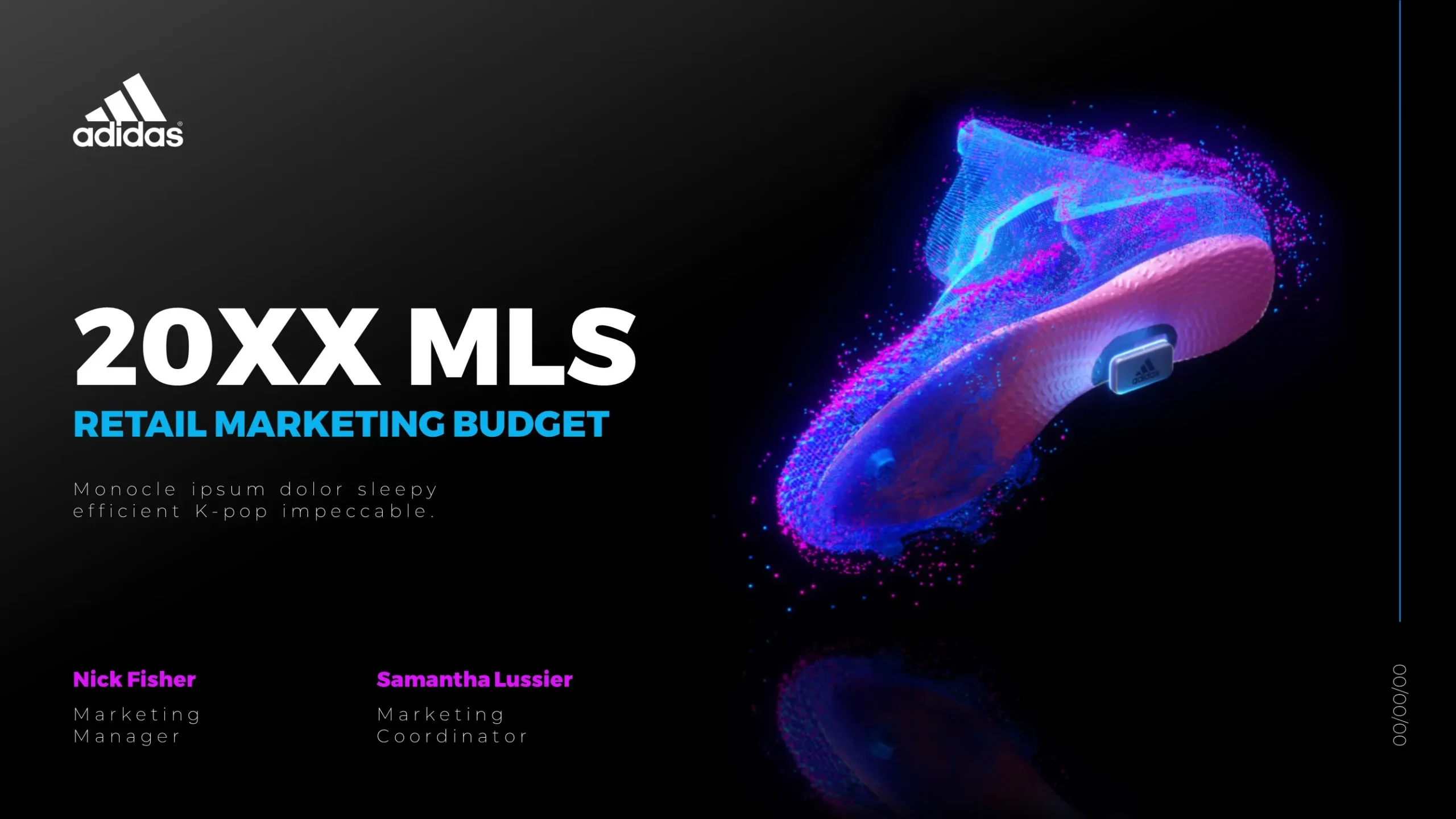
Need a presentation that wins the room? SlideGenius designs custom, high-impact decks for brands like Red Bull, Amazon, and Adidas. Browse our presentation design portfolio, explore our PowerPoint design services, or contact us for a free quote.