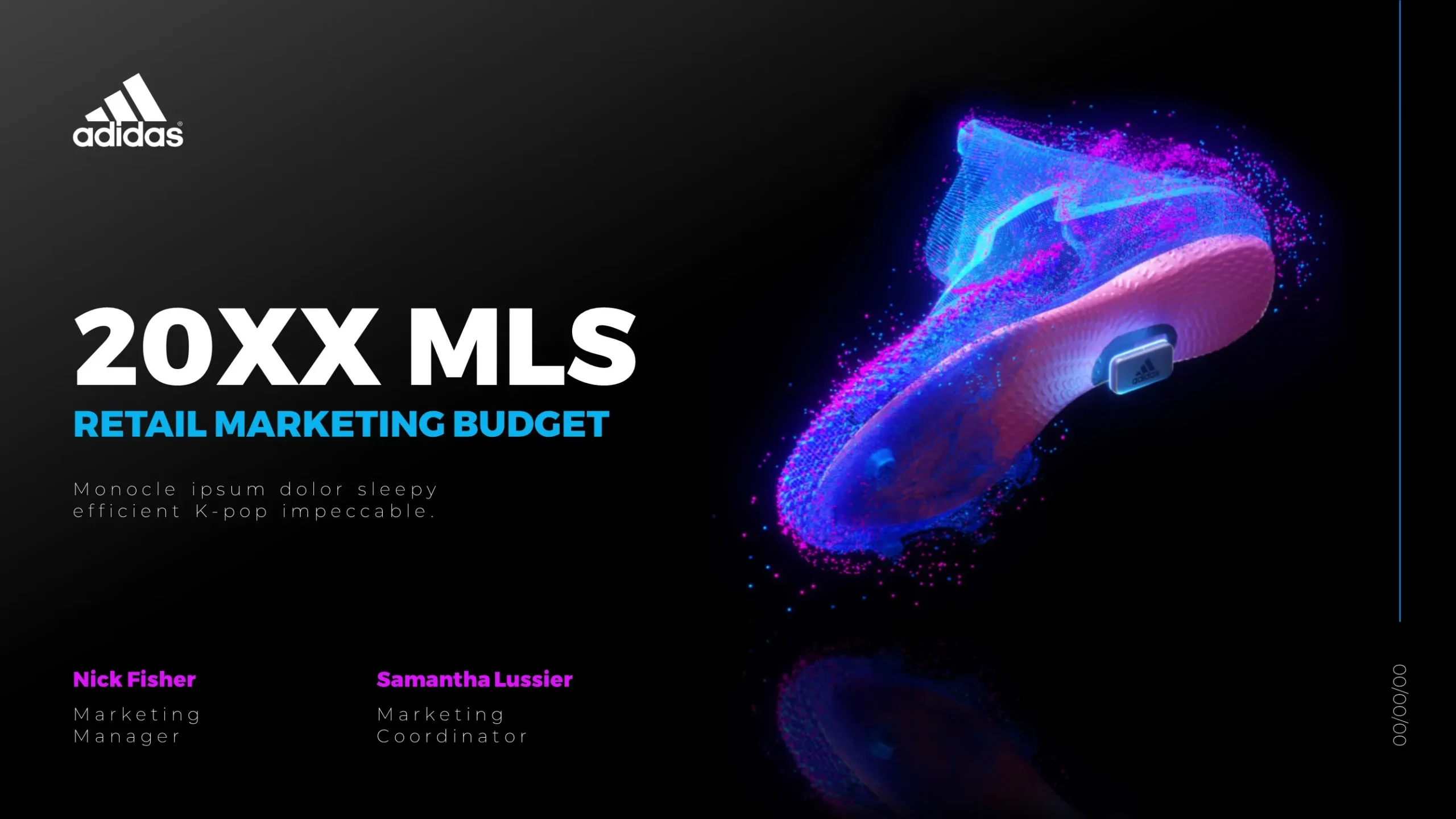
You can use AI to generate a pitch deck by combining a large-language-model tool for structuring your narrative and slide content with a presentation-generation platform that handles layout and visuals. The most effective workflow starts with prompting an AI assistant to produce a slide-by-slide outline — typically 10 to 13 slides covering problem, solution, market size, business model, traction, team, and ask — then feeding that structured content into a dedicated AI presentation tool that auto-formats slides, suggests color schemes, and even generates charts from your raw numbers. This two-step approach gives you both strategic depth and visual polish.
Before diving into tools, it helps to understand what AI is genuinely good at in this context versus where human judgment remains essential. AI excels at turning bullet-point facts about your business into persuasive, investor-ready language, suggesting logical slide order, and rapidly iterating on tone — for example, switching from a casual accelerator pitch to a formal Series A deck in minutes. Where AI falls short is in supplying your authentic traction data, validating your market-sizing methodology, and capturing the specific nuance of why your founding team is uniquely qualified. Treat AI output as a strong first draft that you must stress-test against reality, not a finished artifact ready to send to investors.
A common mistake founders make is prompting AI too vaguely — typing something like ‘make me a pitch deck’ produces generic filler that wastes time. Instead, front-load your prompt with specific context: your target customer segment, the core pain point with a quantified example (e.g., ‘SMB accountants spend 11 hours per week on manual reconciliation’), your current revenue or user count, and the amount you are raising. The more specific your input, the more the AI output reads like it was written by someone who knows your business. You should also specify the audience — a seed-stage angel investor needs a different narrative arc than a corporate venture arm evaluating strategic fit.
- Start with a structured ‘context dump’ prompt that includes your one-sentence value proposition, three to five key metrics, target customer persona, and the funding stage so the AI anchors every slide to your actual business rather than producing filler text.
- Use an AI writing assistant to draft the ‘Problem’ slide first, because this single slide sets the emotional tone for everything that follows and benefits most from iterative rewriting with AI feedback loops.
- Generate your market-sizing section by asking the AI to walk through a top-down TAM calculation using a specific industry report figure you supply, then a bottom-up SAM calculation based on your own customer data, so the numbers feel grounded and defensible.
- Export the structured text outline into a presentation-generation platform that accepts a text or markdown outline as input, which then auto-populates slide templates and suggests icon sets and chart types matched to your content type.
- Use AI to write three alternate versions of your ‘Ask’ slide — a conservative scenario, a base scenario, and an aggressive scenario — so you can quickly adapt the deck to different investor risk appetites without rebuilding from scratch.
- Run the completed AI-generated draft through an AI review prompt asking specifically, ‘What objections would a skeptical Series A investor raise about each slide?’ to surface logical gaps before your first real meeting.
- For visual consistency, input your brand hex codes and font names directly into the presentation platform’s style settings so AI-generated layouts respect your visual identity from slide one rather than requiring manual reformatting at the end.
The practical takeaway is to treat AI as a co-writer and layout assistant, not an autonomous pitch-deck generator. A realistic first session — about 90 minutes — gets you from a blank page to a structured 12-slide draft with placeholder data clearly labeled for your review. Your next concrete step is to write a single detailed context paragraph about your business and use it as the foundation of every AI prompt you write; this single habit dramatically improves output quality across all tools. Note that this approach works best for early-stage decks; late-stage growth decks with complex financial models still require a finance professional to build and validate the numbers independently.
Need a presentation that wins the room? SlideGenius designs custom, high-impact decks for brands like Red Bull, Amazon, and Adidas. Browse our presentation design portfolio, explore our PowerPoint design services, or contact us for a free quote.