Presenting the benefits and challenges of onshore and offshore teams in a pitch deck requires a clear, balanced framework that gives your audience confidence you understand the full picture — not just the cost savings. The most effective approach combines a concise visual comparison matrix with narrative slides that explain why each model fits different stages of your project or company. Investors and stakeholders respond best when you acknowledge tradeoffs openly, because it signals strategic maturity. Begin by defining what you mean by onshore and offshore within your specific context, since the terms carry different implications in a product startup versus a large enterprise IT function.
A common mistake is leading with cost alone. While offshore teams can reduce engineering labor costs by 40–60% in markets like Eastern Europe or Southeast Asia compared to equivalent US or UK roles, focusing exclusively on the price differential raises red flags for experienced audiences. They immediately wonder about communication overhead, quality assurance processes, IP protection, and management complexity. Your deck should pre-empt those concerns by pairing every benefit with its corresponding mitigation strategy. For example, when you highlight offshore cost efficiency, follow it immediately with a slide showing your overlap-hour policy, asynchronous documentation standards, and the project management tooling you use to maintain output quality across time zones.
Structure matters enormously for this kind of comparative content. A two-column or four-quadrant slide works well for a high-level snapshot, but deeper context belongs in dedicated ‘deep dive’ slides that stakeholders can reference in the appendix. Use a ‘Benefits vs. Challenges’ table with a third column labeled ‘Our Mitigation’ — this transforms a potentially alarming challenges column into a demonstration of operational readiness. For onshore teams, typical benefits include real-time collaboration, cultural alignment, easier compliance with local data laws (such as GDPR or HIPAA), and faster onboarding. The challenges are higher hourly rates and a tighter talent pool in specialized domains. For offshore teams, the inverse is largely true, with the additional considerations of time-zone management and the occasional need for redundant communication layers.
- Open with a one-slide ‘Team Model Overview’ that uses a simple world map to visually anchor where each team is located, making the abstract geography immediately tangible for your audience.
- Use a side-by-side comparison table with three columns — Dimension, Onshore, Offshore — covering at least six dimensions: cost, communication, legal compliance, talent availability, delivery speed, and cultural alignment.
- Include a ‘Time Zone Overlap’ slide that shows a clock diagram illustrating a concrete example, such as a 3-hour daily overlap window between a US product team and an India-based engineering squad.
- Add a ‘Risk Register’ slide that lists the top three challenges per model alongside your documented mitigation tactics, such as using Notion for asynchronous decision logging to reduce meeting dependency.
- Present a ‘Hybrid Model’ slide that shows how your organization blends both approaches — for instance, keeping onshore staff for client-facing and compliance-sensitive roles while placing backend and QA functions offshore.
- Use real project velocity data or past sprint completion rates to back up any performance claims, since anecdotal assertions about offshore quality are a common credibility weakness in pitch decks.
- Close the section with a ‘Decision Framework’ slide that explains the criteria — project complexity, data sensitivity, required turnaround speed — that would cause you to shift the ratio between onshore and offshore resources over time.
The practical takeaway is to treat this section of your deck as a risk-management conversation, not a cost-cutting justification. Your next step should be building the comparison table first, then working backwards to ensure every row has a mitigation answer before you finalize the visual design. Keep in mind that this balanced framework is most valuable when your audience includes investors, board members, or enterprise clients who will probe operational details. If your pitch is to a purely technical internal audience that already operates distributed teams, you can compress this section significantly and focus instead on tooling and process specifics they will evaluate more critically.
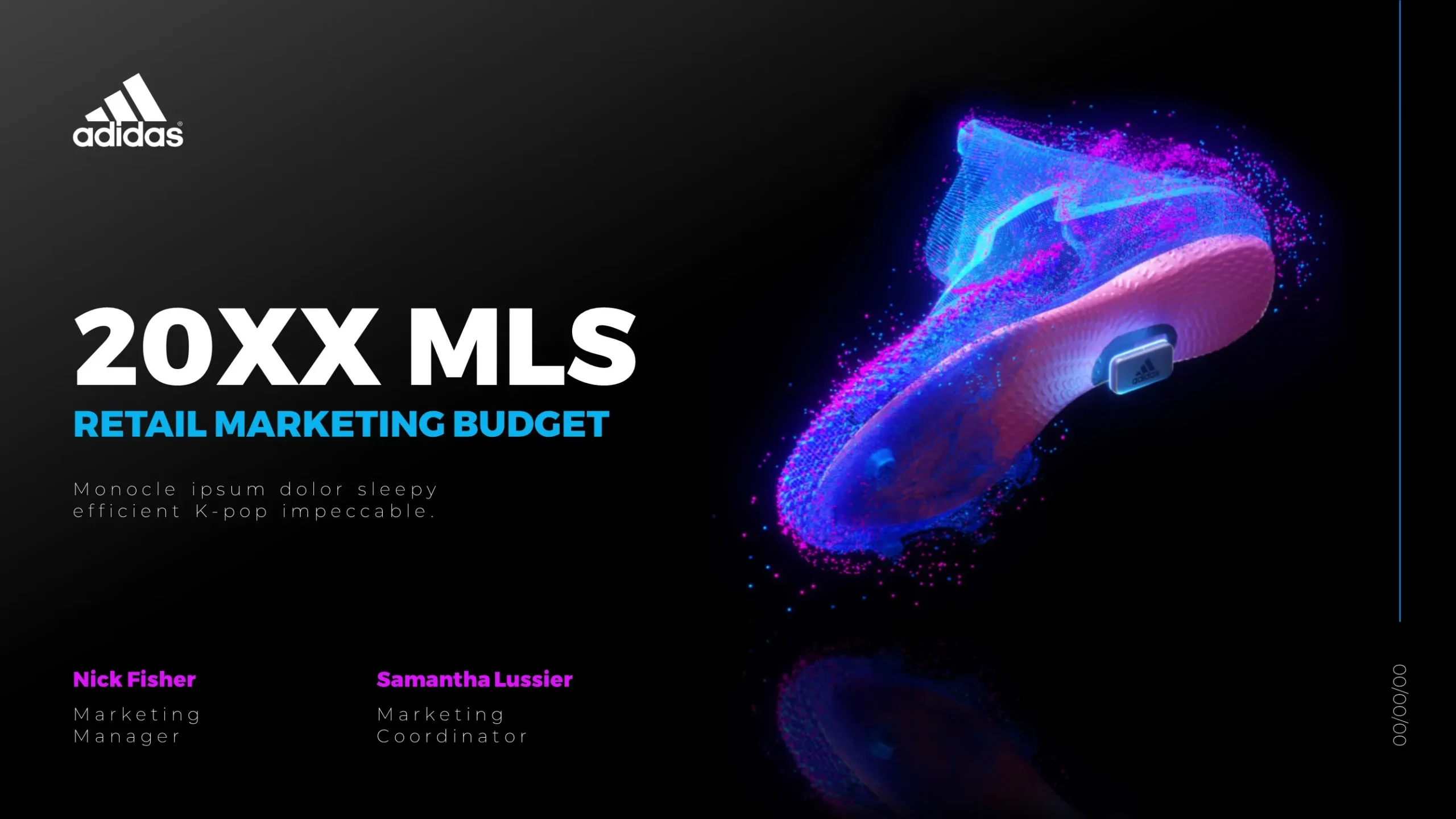
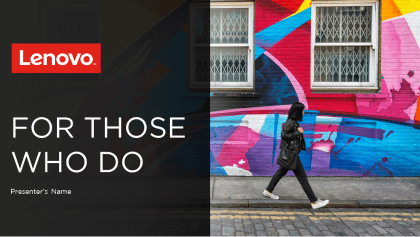
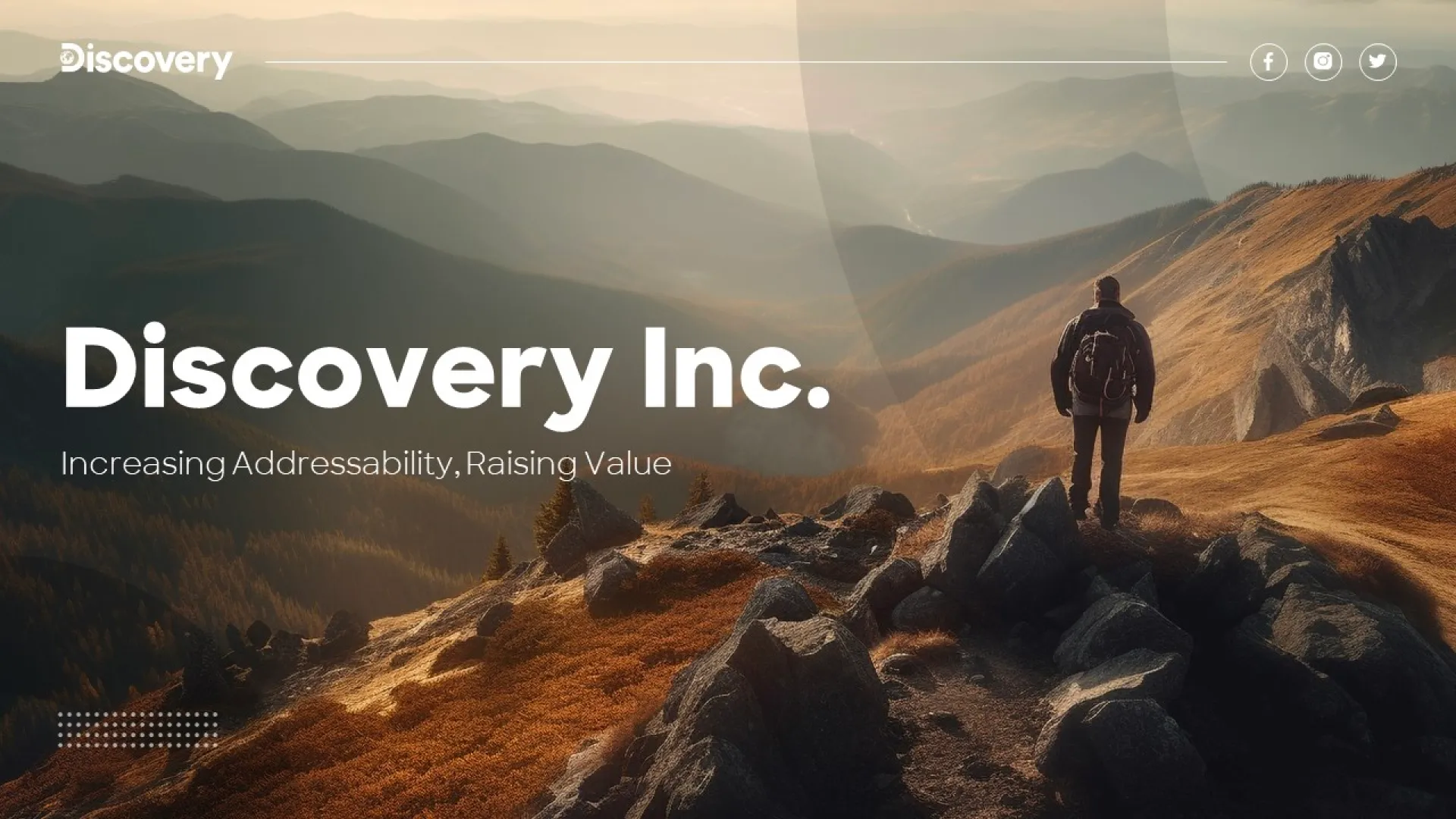
Need a presentation that wins the room? SlideGenius designs custom, high-impact decks for brands like Red Bull, Amazon, and Adidas. Browse our presentation design portfolio, explore our PowerPoint design services, or contact us for a free quote.
Building a deck that has to win? Explore our pitch deck design work.