Preparing a presentation to attract angel investors requires far more than a polished slide deck — it demands a compelling narrative, credible financial projections, and a clear articulation of why your specific team can win in your specific market. Angel investors, unlike institutional venture capitalists, often make decisions based heavily on founder conviction and market intuition rather than purely on spreadsheets. Your goal is to compress months of due diligence into a 10-to-20-minute conversation that makes the investor feel both intellectually convinced and emotionally excited about your opportunity.
The foundation of any strong investor presentation is the problem-solution fit. Many founders rush past the problem slide to get to their product, but experienced angels know that a well-defined problem is half the battle. Spend real time quantifying the pain: how many people experience it, how often, and what they currently do to solve it (even imperfectly). For example, if you are building a logistics software tool, stating that small freight brokers lose an average of 14 hours per week on manual load-matching — and citing a source — is dramatically more persuasive than saying ‘the industry is inefficient.’ Specificity builds credibility faster than any design choice you could make.
Your financial model deserves special attention because it reveals how you think, not just what you project. Avoid presenting hockey-stick revenue charts without a bottoms-up explanation of how you get there. Walk through your customer acquisition cost (CAC), your average contract value or lifetime value (LTV), and your payback period. If your LTV-to-CAC ratio is 4:1 or better, say so explicitly — angels recognize that benchmark as a signal of a healthy unit-economics model. Equally important is your use-of-funds slide: if you are raising $500,000, break it down by category (e.g., 40% product development, 35% sales, 25% operations) and tie each allocation to a specific milestone that de-risks the next funding round.
- Open with a one-sentence ‘elevator hook’ that states the market size, the problem, and your unique angle in under 20 words, so investors immediately orient themselves before your deeper explanation begins.
- Use a traction slide that highlights real momentum metrics — monthly active users, signed letters of intent, revenue run rate, or pilot program results — because angels fund progress, not just potential.
- Include a competition matrix that honestly places your product against two or three real alternatives, showing which axes (price, speed, integration depth) you deliberately win on versus concede.
- Present your 18-to-24-month roadmap with three to four clearly labeled milestones tied to fundraising triggers, such as reaching 100 paying customers before seeking a Series A round.
- Dedicate at least one slide to your team’s relevant domain expertise, and if you lack a specific skill set, name the advisor or future hire you plan to bring in and explain why that timing is intentional.
- Rehearse answering the five most common angel objections — market size, defensibility, team gaps, burn rate, and exit path — so your verbal responses feel as polished as your visual materials.
- End with a specific, unambiguous ask slide that states the dollar amount you are raising, the instrument (SAFE note, convertible note, or priced equity round), and the valuation cap or discount rate so there is no ambiguity.
The most practical next step is to run a ‘murder board’ session — present your deck to two or three trusted advisors who will challenge every assumption aggressively before you meet a real investor. This approach works best for pre-seed and seed-stage companies raising between $100,000 and $2,000,000. However, if you are pre-product and pre-revenue with no network connection to the investor, even the best presentation may not overcome the trust deficit; in that case, a warm introduction through a mutual contact or an accelerator program like a regional startup incubator is a more effective first move than perfecting your slides.
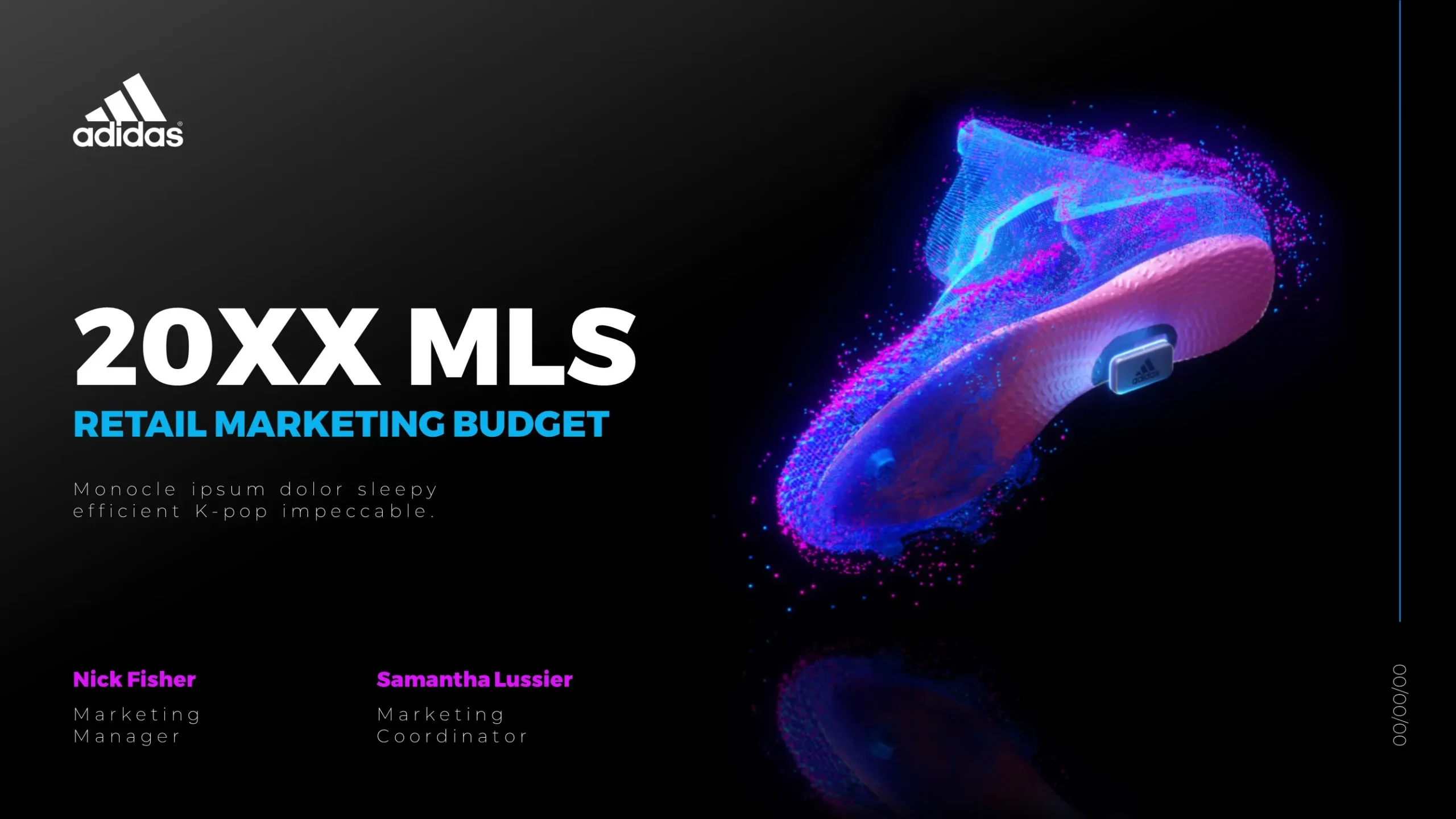
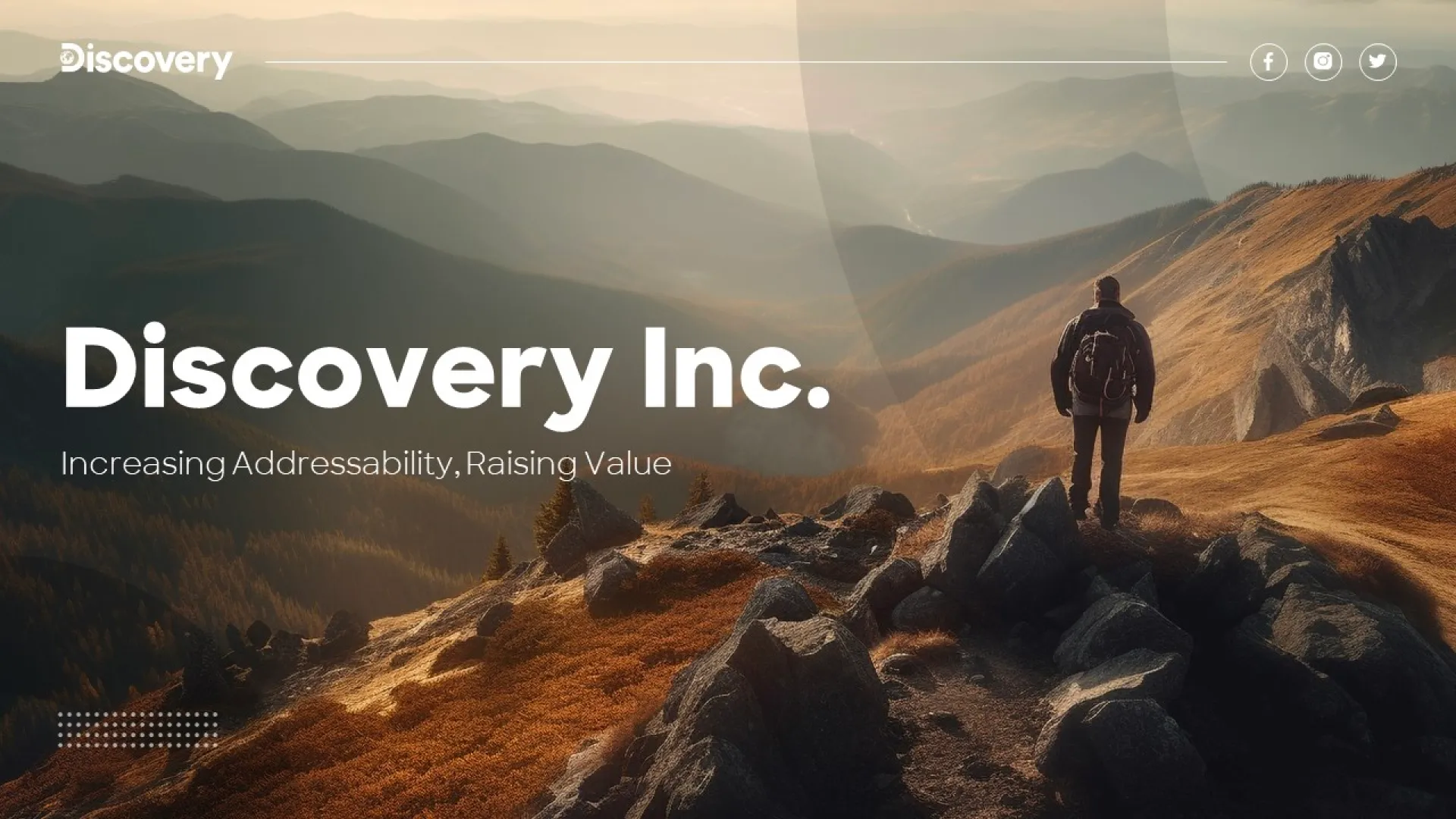
Need a presentation that wins the room? SlideGenius designs custom, high-impact decks for brands like Red Bull, Amazon, and Adidas. Browse our presentation design portfolio, explore our PowerPoint design services, or contact us for a free quote.