Effectively addressing and resolving conflicts in PowerPoint presentations means tackling two distinct challenges: interpersonal conflict that may arise when presenting controversial material to a divided audience, and technical conflicts such as design inconsistencies, mismatched slide layouts, or version compatibility issues that undermine your visual credibility. A strong presenter plans for both types in advance by auditing slide content for potential friction points, stress-testing the file across devices, and building structured response strategies into their delivery plan — not waiting for problems to emerge during the live session itself.
When handling audience-driven conflict — moments when stakeholders disagree with your data, recommendations, or conclusions — the most effective approach is to anticipate objections before you present. Review your content from the perspective of your most skeptical audience member and build ‘backup slides’ (often called appendix or hidden slides in PowerPoint) that contain deeper evidence, alternative scenarios, or counterargument rebuttals. Presenters who skip this step often find themselves scrambling mid-delivery, losing authority precisely when credibility matters most. A hidden slide placed after your final slide can be accessed on demand using the slide number and Enter key, giving you instant access to supporting data without cluttering the main deck.
Technical conflicts inside PowerPoint files are just as damaging to your credibility as argumentative audiences. Common sources include font substitution errors (when a font like Montserrat is installed on your machine but not the venue computer), embedded media playback failures, and master slide conflicts that arise when slides are copied from multiple decks with different themes. PowerPoint’s ‘Check Compatibility’ feature (found under File → Info → Check for Issues) flags elements that will break in older formats like .ppt versus the modern .pptx format. Running this check before any high-stakes presentation takes under two minutes and prevents embarrassing layout collapses during delivery.
- Build a dedicated ‘objection appendix’ of three to five hidden slides that address your top anticipated counterarguments with specific data points, so you can navigate to them instantly using the slide number shortcut during Q&A.
- Use PowerPoint’s ‘Embed fonts’ option under File → Save As → Tools → Save Options to prevent font substitution errors when presenting on a computer other than your own.
- Before sharing a deck created in PowerPoint 365, run the Compatibility Checker to identify SmartArt or morph transitions that will break for colleagues using PowerPoint 2016 or earlier versions.
- When presenting contentious data to a mixed audience, frame your findings using a ‘problem–evidence–implication’ structure on each slide so that even skeptics follow a logical path rather than reacting emotionally to conclusions alone.
- Use the ‘Compare’ feature under the Review tab to visually diff two versions of the same deck, which helps resolve conflicts when multiple team members have edited the file independently and created contradictory slide versions.
- Record a narrated run-through using PowerPoint’s built-in Record Slide Show feature so that remote stakeholders who missed the live session receive the full context of your verbal conflict-resolution framing alongside the visuals.
- Designate a ‘parking lot’ slide at the end of your deck to capture unresolved disagreements raised during the presentation, noting them publicly so the audience feels heard while keeping the main session on schedule.
Resolving conflicts in presentations is ultimately about preparation depth and structural empathy — understanding what your audience fears, needs, or disagrees with before you enter the room. A practical next step is to share your draft deck with a trusted skeptic 48 hours before presenting and ask them to list every question or objection they can think of, then use that list to build your hidden slide appendix. Note that this approach applies best to formal business or stakeholder presentations; in casual team updates where conflict is unlikely, a simpler, shorter deck is more appropriate and these elaborate safeguards would add unnecessary complexity.
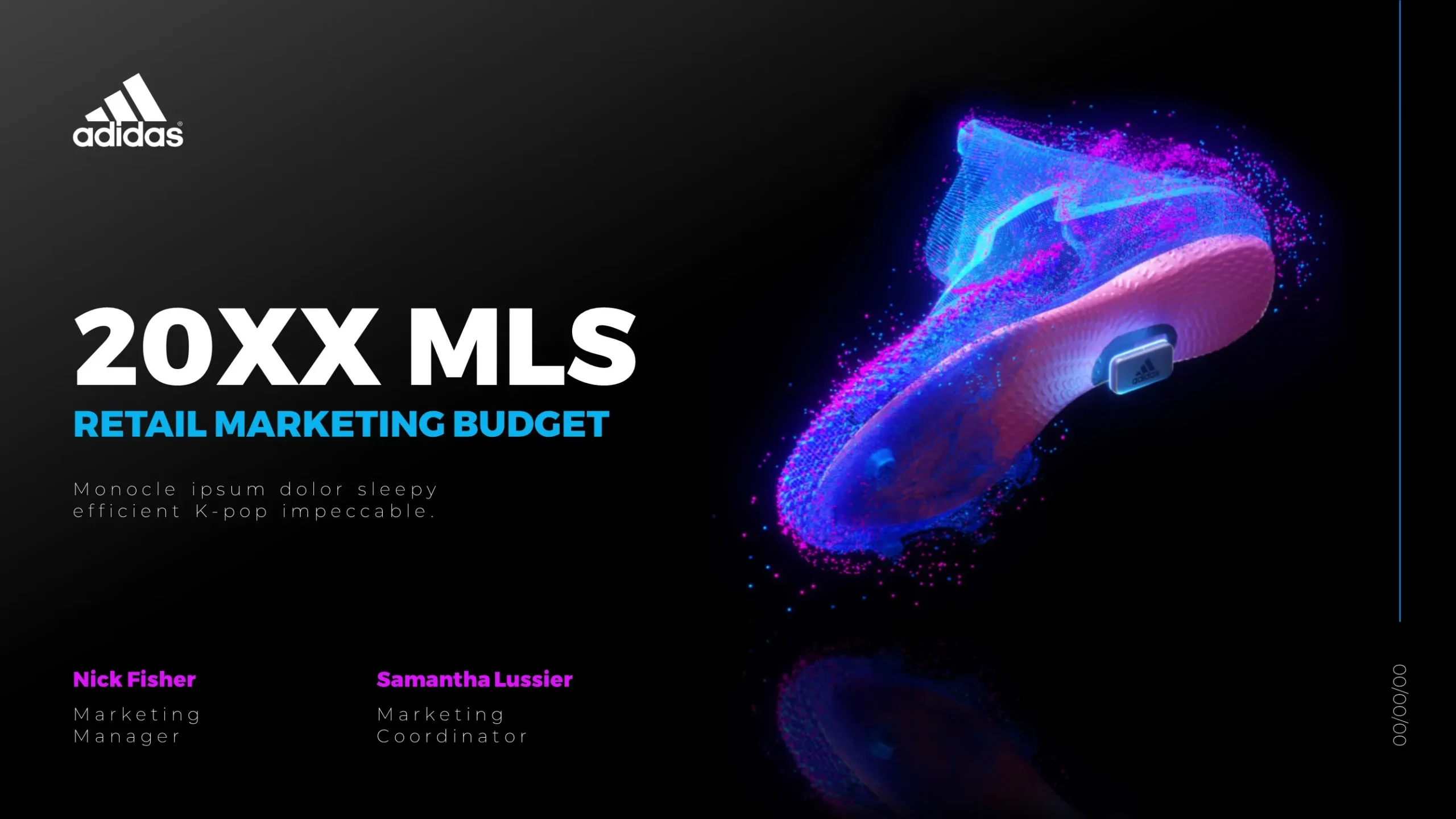
Need a presentation that wins the room? SlideGenius designs custom, high-impact decks for brands like Red Bull, Amazon, and Adidas. Browse our presentation design portfolio, explore our PowerPoint design services, or contact us for a free quote.