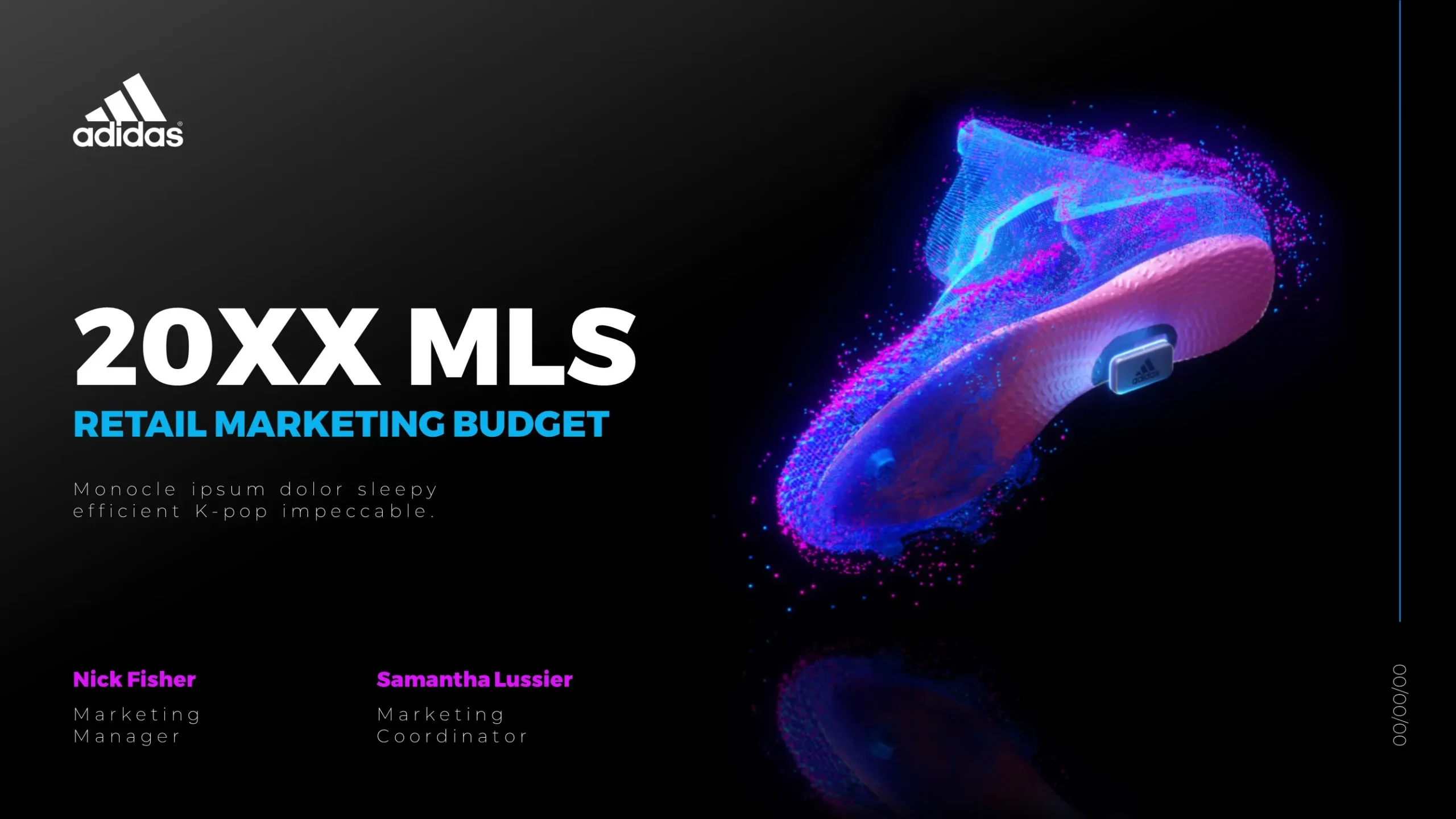
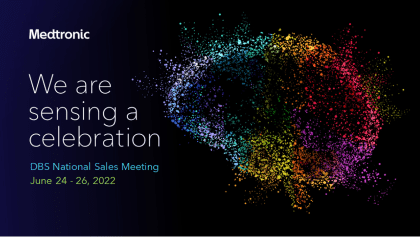
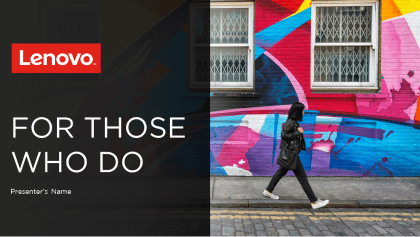
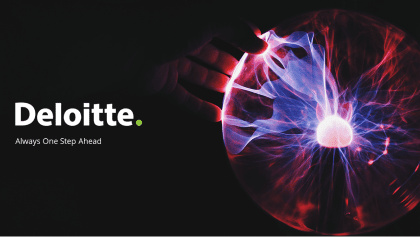
You can create animated PowerPoint presentations using artificial intelligence by leveraging AI-powered design tools that automatically generate slide layouts, suggest transitions, apply motion effects, and even produce entire decks from a text prompt or outline. Modern AI platforms integrated directly into presentation software can analyze your content, recommend which elements should animate and in what sequence, and apply polished entrance, exit, and emphasis effects without requiring you to manually configure each animation pane setting. This dramatically reduces production time — what might take a skilled designer two hours can often be accomplished in under fifteen minutes with the right AI workflow in place.
The most accessible starting point for many users is the built-in AI assistant now embedded in Microsoft 365, which includes a Copilot feature inside PowerPoint itself. When you describe a topic in natural language — for example, typing ‘Create a 10-slide deck on renewable energy trends for a corporate audience’ — Copilot generates slides complete with placeholder animations, themed transitions, and SmartArt elements that already include motion paths. You can then refine individual animations through the traditional Animation Pane, adjusting timing, easing curves, and trigger conditions. This hybrid approach gives you AI speed with manual precision.
Standalone AI presentation platforms take this further by offering template libraries where every element — text boxes, charts, icons, and image placeholders — arrives pre-animated according to a consistent motion language. Some platforms allow you to upload a PDF, Word document, or even a URL, then automatically extract key points and build a structured deck with coordinated slide transitions. A common mistake beginners make is accepting every AI-suggested animation without reviewing the result, which can produce overwhelming motion effects that distract from the message. A general best-practice threshold is to limit active animations to three or fewer per slide, reserving complex sequences for data visualizations or product reveal moments where motion genuinely adds meaning.
- Use Microsoft Copilot inside PowerPoint by opening a blank deck, clicking the Copilot button in the Home ribbon, and typing a detailed prompt that specifies slide count, audience type, and tone to receive a fully animated starter deck.
- Explore AI-native presentation tools that convert a plain-text outline into a complete slide deck with entrance animations, morph transitions, and consistent typography applied automatically across every slide.
- Apply the Morph transition in PowerPoint between two slides containing the same object — an AI layout tool can pre-position duplicate elements so the Morph effect creates smooth, cinematic movement without keyframe animation expertise.
- Use AI image generation integrations to create custom visuals, then animate those images with Fly In or Zoom entrance effects triggered on click, ensuring visuals reinforce your spoken narrative at precisely the right moment.
- Leverage AI-powered timing recommendations — some tools analyze average reading speed at roughly 200-250 words per minute and automatically set auto-advance delays so slide animations finish before the audience finishes reading the content.
- Run your completed deck through an AI presentation coach tool, which reviews animation density, flags slides with more than five simultaneous motion effects, and suggests simplifications that improve audience comprehension.
- Export your AI-generated animated presentation as an MP4 video directly from PowerPoint using File > Export > Create a Video, selecting a resolution of 1080p and a timing of ‘Use Recorded Timings and Narrations’ for polished, self-running delivery.
The practical takeaway is to treat AI as a capable first-draft collaborator rather than a final decision-maker. Start by generating a full animated deck with an AI tool, then spend ten to fifteen minutes in the Animation Pane removing redundant effects, tightening duration values to between 0.5 and 0.75 seconds for most entrance animations, and ensuring your motion hierarchy guides the eye toward the most important information first. Keep in mind that this AI-assisted approach works best for general business, educational, and marketing presentations — highly regulated contexts like legal or medical communications may require manual review of every automated design choice before the deck is considered presentation-ready.
Need a presentation that wins the room? SlideGenius designs custom, high-impact decks for brands like Red Bull, Amazon, and Adidas. Browse our presentation design portfolio, explore our PowerPoint design services, or contact us for a free quote.