Creating an effective sales presentation in Prezi means leveraging its non-linear, zoomable canvas to tell a compelling story that guides prospects through a journey rather than a flat slide-by-slide sequence. Unlike traditional slide software, Prezi lets you zoom in on details, pull back for the big picture, and connect concepts visually — all of which mirror how real sales conversations actually flow. An effective Prezi sales deck should open with a strong ‘why it matters’ overview visible on the canvas, then dive into supporting evidence and product specifics as you zoom in, and finally zoom back out to reinforce your core value proposition before closing.
Before you build anything, map your sales narrative on paper. A common mistake is importing a PowerPoint structure directly into Prezi and treating each frame like a flat slide — this completely wastes the platform’s spatial storytelling power. Instead, group your content into three to five major ‘chapters’ (for example: Problem, Solution, Proof, Pricing, Next Steps) and place each cluster in a distinct region of the canvas. Prezi’s Path tool then lets you define the order in which those clusters are visited, while still allowing you to jump non-linearly if a prospect asks a question that pulls you ahead or backward in the conversation.
Visual hierarchy and whitespace are critical for sales contexts because prospects are judging your professionalism in the first few seconds. Use Prezi’s Topic and Subtopic structure to ensure consistent heading sizes, and limit yourself to two complementary brand colors plus one accent. A practical threshold: if any single frame contains more than 40 words of body text, you are almost certainly over-explaining — move the extra detail into a spoken talking point instead. Prezi’s Analytics feature (available on Plus and higher tiers) shows you exactly which frames viewers spent the most time on during asynchronous sharing sessions, so you can iterate based on real attention data rather than guesswork.
- Start with a single full-canvas overview image or headline that states your core value proposition in ten words or fewer, giving prospects an immediate anchor for everything that follows during the presentation.
- Use Prezi’s zoom-in animation to reveal granular data, such as a specific ROI calculation or a product feature detail, only after you have established the high-level context that makes that data meaningful.
- Place social proof elements — such as a testimonial quote or a case study summary with a specific percentage improvement — in a visually prominent region of the canvas so you can jump to them instantly when objections arise.
- Leverage Prezi’s Present Remotely or Prezi Video feature to embed your talking-head webcam feed directly onto the canvas during virtual sales calls, which studies on remote selling show significantly increases perceived trustworthiness.
- Create a custom Summary Frame at the end of your canvas that recaps your three strongest points, giving you a natural visual anchor for the closing ask and ensuring prospects leave with a clear memory of your key messages.
- Export a PDF version of your key frames for prospects who request leave-behind materials, noting that the Prezi online link should always be your primary share method so analytics tracking remains active.
- Test your presentation path at 1.5x zoom speed to catch any motion-sickness-inducing over-rotation or excessive zooming, since overly dramatic canvas movements are the single most common technical mistake in Prezi sales decks.
The practical takeaway is to treat Prezi as a spatial conversation tool, not a slide-replacement. Your immediate next step should be sketching a five-cluster canvas map on paper before opening the app, since trying to design and structure simultaneously almost always produces a cluttered result. Keep in mind that Prezi works best for complex, consultative sales cycles where the conversation might change direction — for highly scripted, time-limited pitches (such as a three-minute trade-show demo), a more linear format may actually serve you better because the non-linear flexibility becomes a distraction rather than an asset.
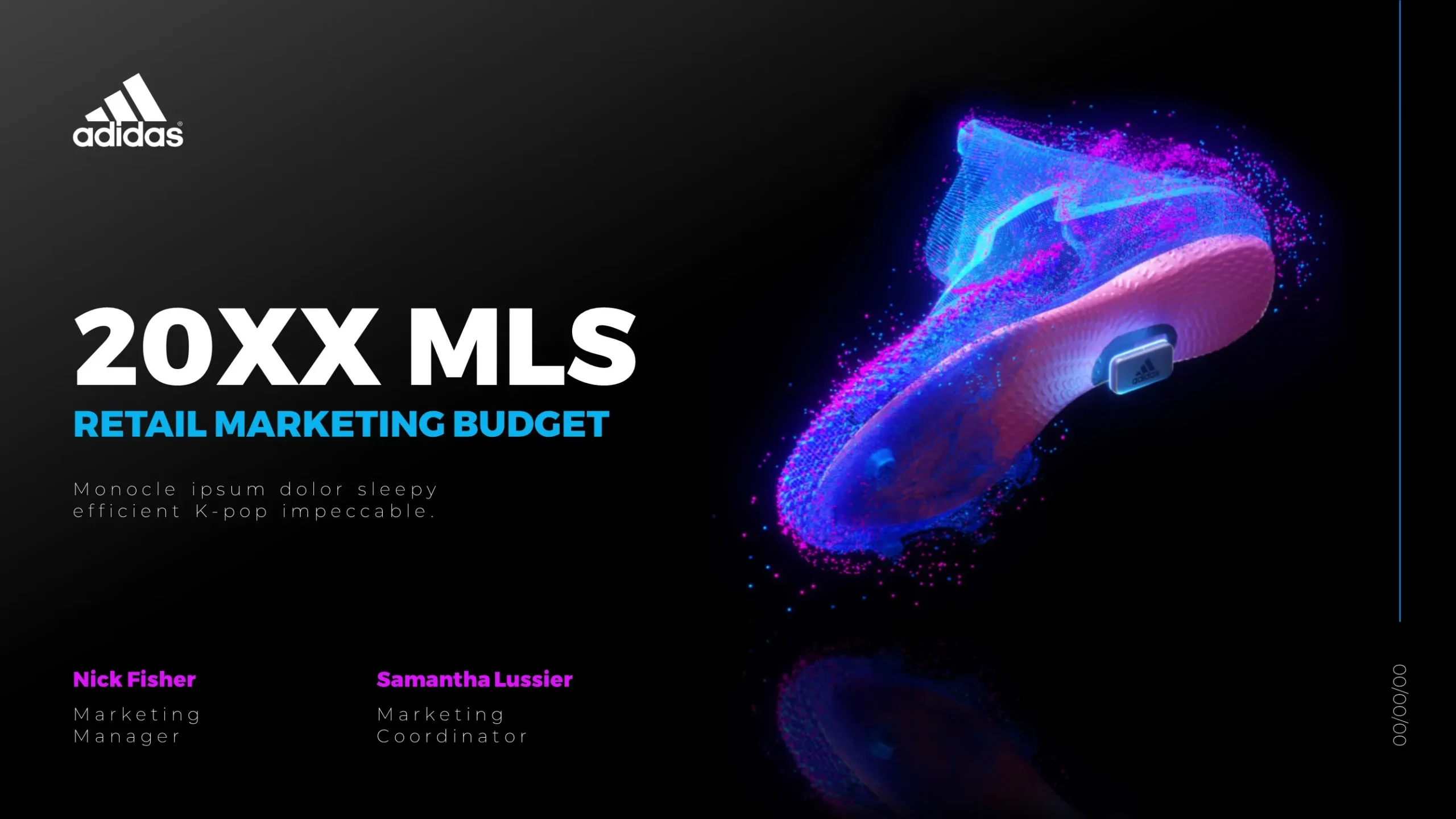
Need a presentation that wins the room? SlideGenius designs custom, high-impact decks for brands like Red Bull, Amazon, and Adidas. Browse our presentation design portfolio, explore our PowerPoint design services, or contact us for a free quote.