How can I add animation to a PowerPoint slide that follows the previous animation?

To add an animation that follows the previous animation in PowerPoint, you need to set the animation’s start trigger to After Previous instead of the default On Click. You do this by selecting the object you want to animate, opening the Animation Pane (found under the Animations tab), right-clicking the animation entry in the pane, and choosing Start After Previous. This tells PowerPoint to automatically play that animation as soon as the preceding one finishes, creating a seamless, self-running sequence without requiring any additional mouse clicks from the presenter.

Understanding the three start options in PowerPoint is essential for building polished sequences. On Click pauses the slide until the presenter clicks or presses a key, giving manual control. With Previous starts the animation at the exact same moment as the animation above it in the Animation Pane, which is useful for making two elements appear to move simultaneously. After Previous adds a queue — each item waits for the one before it to fully complete before beginning. A common mistake is confusing With Previous and After Previous: using the wrong one can cause animations to stack on top of each other visually or fire out of intended order, which is especially noticeable in complex builds with five or more animated objects on a single slide.

You can also fine-tune timing by adding a delay between animations. After setting an animation to After Previous, double-click its entry in the Animation Pane to open the Effect Options dialog. Under the Timing tab, you will find a Delay field where you can enter a value in seconds — for example, entering 0.5 creates a half-second pause after the previous animation ends before the next one begins. This technique is particularly powerful when animating a bulleted list one line at a time, or when choreographing an infographic where charts, icons, and labels need to appear in a specific rhythmic order. In PowerPoint 365, you can also drag animation entries up or down in the Animation Pane to reorder the sequence without having to reapply effects from scratch.

  • Open the Animation Pane from the Animations tab so you can see every animated object on the slide listed in the exact order they will play during the presentation.
  • Select the object you want to animate second, apply your chosen effect (such as Fade or Fly In), then right-click its entry in the Animation Pane and select Start After Previous.
  • Use the Delay field in the Timing tab — setting a 0.75-second delay between a title appearing and a supporting image fading in gives the audience time to absorb each element naturally.
  • Reorder animations by dragging entries in the Animation Pane; for example, move a caption animation below a photo animation so the caption always follows the image regardless of when you added each effect.
  • Preview your entire sequence by clicking the Play All button at the top of the Animation Pane, which runs every animation on the slide without entering full presentation mode.
  • For a self-running kiosk slide, combine After Previous on all animations with automatic slide advancement so the entire deck plays without any presenter interaction at all.
  • Apply the same timing settings to multiple objects at once by holding Shift, selecting several entries in the Animation Pane, then right-clicking to change all of them to After Previous simultaneously.

The After Previous trigger is one of the most versatile tools in PowerPoint for creating professional, story-driven slides that guide the audience’s attention in a controlled order. A practical next step is to build a short five-element sequence — title, three bullet points, and a closing image — setting each to After Previous with a 0.5-second delay, then preview it using Play All to verify the pacing feels natural. Keep in mind this approach is less suitable for live Q&A slides or slides where you need to respond dynamically to audience questions, since a fully automated sequence gives you little flexibility to pause between elements.

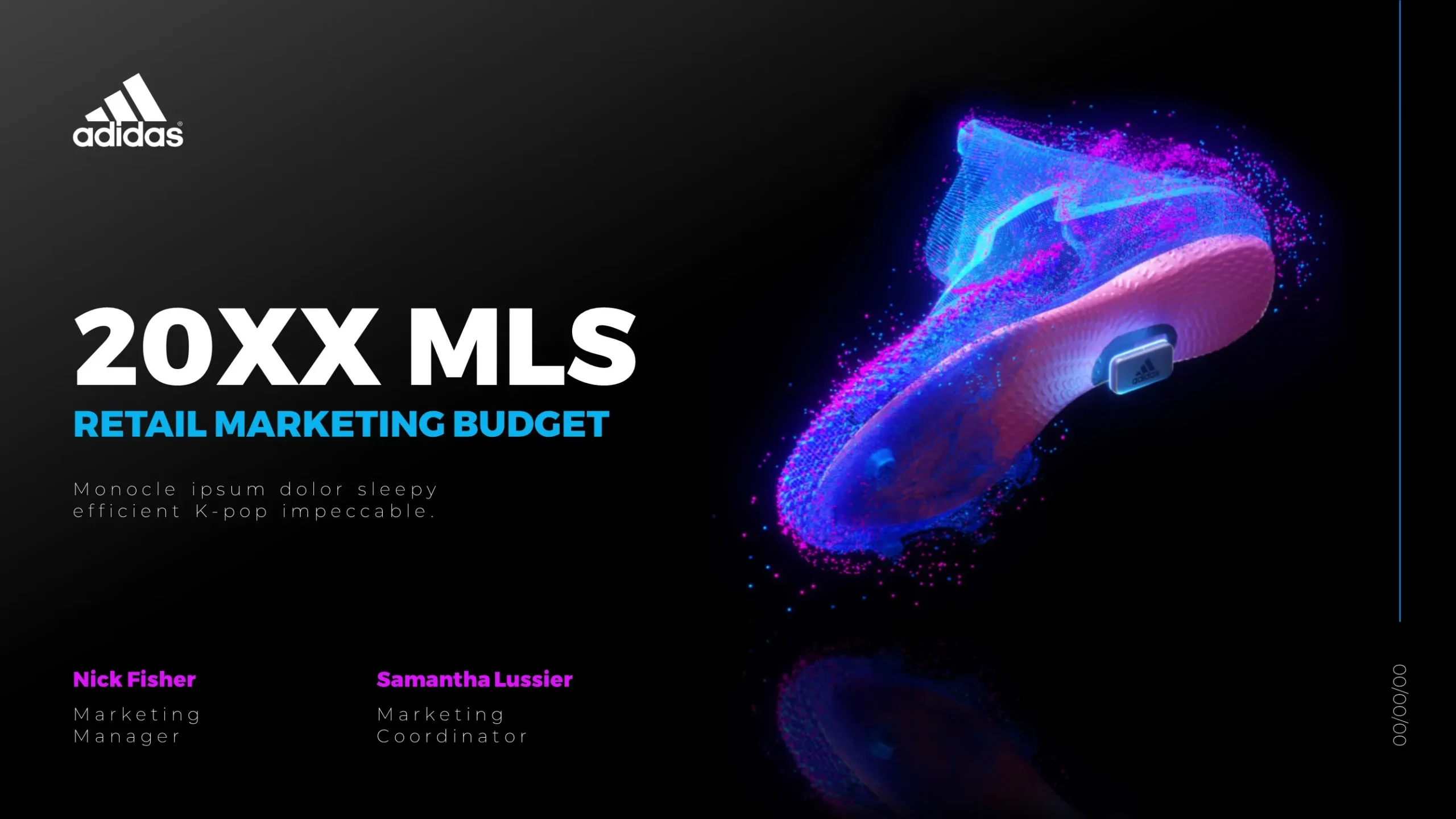
Need a presentation that wins the room? SlideGenius designs custom, high-impact decks for brands like Red Bull, Amazon, and Adidas. Browse our presentation design portfolio, explore our PowerPoint design services, or contact us for a free quote.

Ready to kick off your project?

Fill out the form below to speak
with a SlideGenius representative.