Using Pepsi branding and logos in a PowerPoint presentation is almost always prohibited without explicit written permission from PepsiCo, the trademark owner. Pepsi’s globe logo, wordmark, and color scheme (the specific red, white, and blue combination) are all federally registered trademarks, meaning they are legally protected intellectual property. Unauthorized use — even in a presentation that seems internal or educational — can constitute trademark infringement or create a false impression of affiliation or endorsement. The key legal question is not whether you are making money from the use, but whether the use is authorized and whether it could confuse viewers about PepsiCo’s involvement.
Many people assume that using a logo in a PowerPoint slide is harmless because it feels informal or temporary, but the context of use matters enormously. A slide deck presented at a corporate pitch, shared via email, uploaded to a company intranet, or posted online is considered a form of publication. If your presentation implies a partnership, sponsorship, or endorsement by PepsiCo that does not actually exist, you are in direct violation of trademark law. Even if the logo appears alongside a competitor comparison or as part of a market analysis, you should seek legal guidance before including it, because the acceptable scope of ‘nominative fair use’ — using a trademark to refer to the actual brand — is narrow and situationally dependent.
There are a few limited scenarios where referencing the Pepsi brand in a presentation might be considered acceptable. Academic or educational settings sometimes invoke fair use principles, particularly when the logo is used to identify the company in a genuine comparative or analytical context — for example, a university marketing class analyzing brand evolution from the 1970s logo to the 2009 redesign. Journalistic or news commentary contexts may also have more latitude. However, even in these cases, best practice is to use the logo at a small, non-decorative size, include a trademark attribution notice (such as ‘Pepsi is a registered trademark of PepsiCo, Inc.’), avoid altering the logo in any way, and ensure the overall presentation cannot be mistaken for an official PepsiCo communication.
- Never alter, recolor, or distort the Pepsi logo in any slide, because modifying a trademark creates additional legal liability beyond simple unauthorized use and signals bad faith.
- If you need to reference Pepsi for competitive analysis, use the company’s name in plain text with a trademark symbol (Pepsi®) rather than embedding the visual logo wherever possible.
- For internal business presentations comparing beverages, replace brand logos with placeholder labels like ‘Brand A’ and ‘Brand B’ to avoid trademark issues entirely while keeping your analysis intact.
- Always include a trademark disclaimer slide or footer stating that all third-party trademarks are the property of their respective owners and that no affiliation is implied or endorsed.
- Contact PepsiCo’s Brand Licensing or Legal department directly if your presentation is for a sponsored event, co-branded campaign, or any public-facing commercial purpose, as written permission is the only safe path.
- If you are a vendor, agency, or partner already under a formal agreement with PepsiCo, consult that agreement’s brand usage guidelines, which typically specify approved logo files, minimum sizes, and approved color formats such as Pantone 286 C for the blue.
- Use PepsiCo’s publicly available press kit assets only if their terms of use explicitly permit the type of presentation you are creating, and document the date and URL of your access for your records.
The safest practical takeaway is to avoid using the Pepsi logo in any PowerPoint design unless you have documented written authorization from PepsiCo. Your very next step should be to consult your organization’s legal team or an intellectual property attorney before finalizing and distributing the presentation. This guidance is less critical if you are creating a strictly private study document that will never leave your personal computer and will never be shared, but the moment a presentation is distributed — even internally — the legal exposure becomes real and the consequences can include cease-and-desist letters, required retractions, or financial penalties.
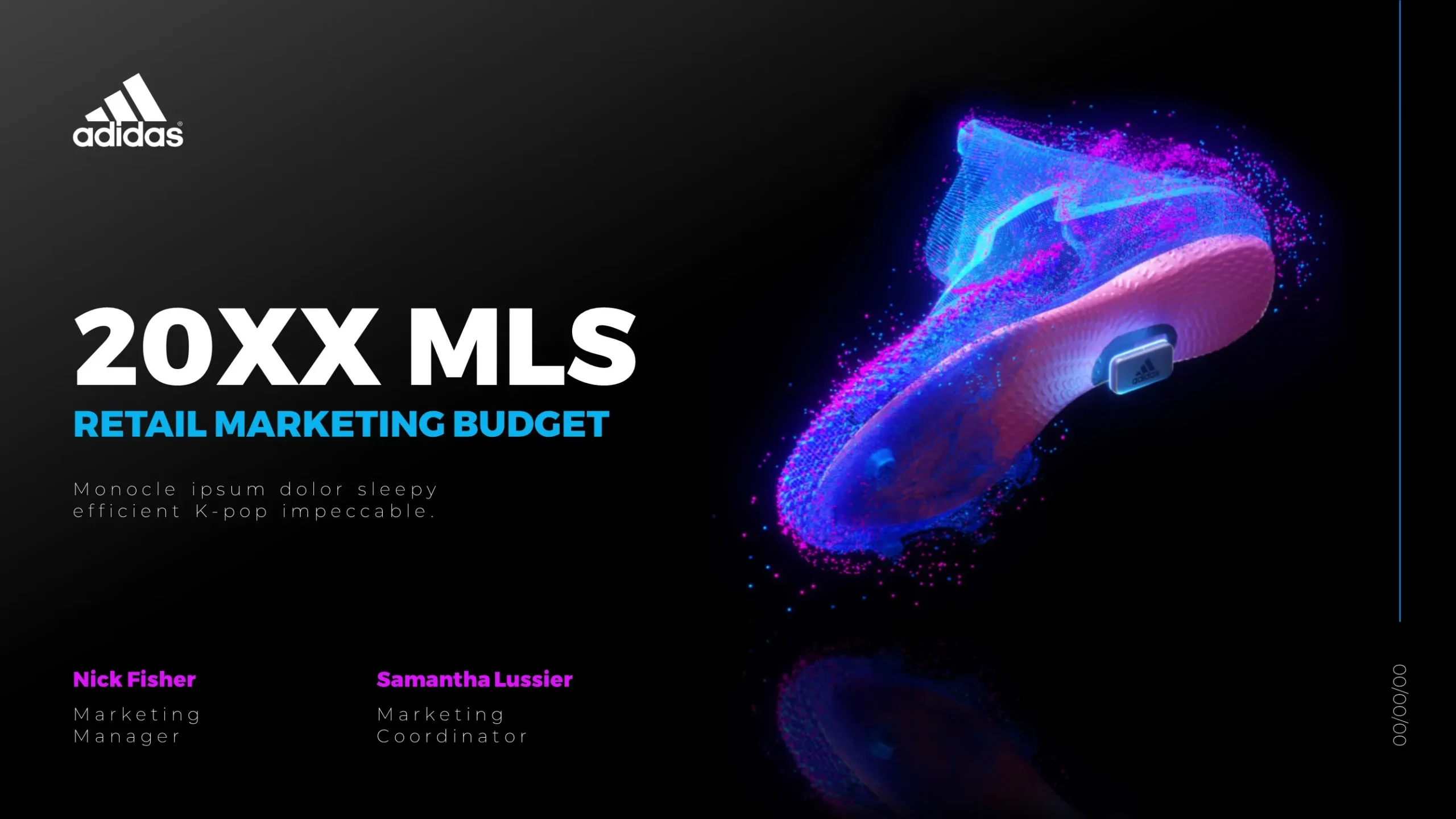
Need a presentation that wins the room? SlideGenius designs custom, high-impact decks for brands like Red Bull, Amazon, and Adidas. Browse our presentation design portfolio, explore our PowerPoint design services, or contact us for a free quote.