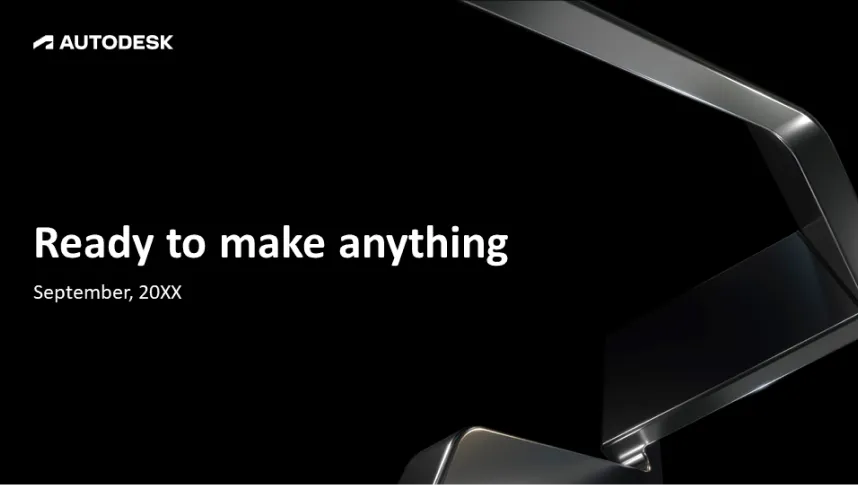
Yes, a keynote speaker can absolutely use PowerPoint in their presentation, and many do so very effectively. PowerPoint is one of the most widely accepted slide tools in professional speaking, and using it does not diminish the impact of a keynote — in fact, well-designed slides can significantly enhance audience comprehension, emotional engagement, and message retention. The key distinction is that the slides should support the speaker’s narrative rather than replace it. Speakers who read directly from dense bullet-point slides tend to lose audiences quickly, while those who use visuals strategically can command a room with much greater authority.
It is worth understanding that the term ‘keynote presentation’ does not prescribe a specific technology — it refers to the role of the talk within an event: setting the tone, establishing core themes, and energizing an audience. Whether a speaker uses PowerPoint, Apple Keynote, Google Slides, Prezi, or no slides at all is entirely a matter of personal style, event logistics, and audience expectations. Conference organizers typically accept any of these formats, though many venues standardize on PowerPoint (.pptx) files for compatibility with their AV systems. Speakers should always confirm the accepted file format with event coordinators at least two weeks in advance to avoid last-minute technical issues.
A common mistake keynote speakers make is over-relying on slides as a crutch, resulting in what presenters call ‘death by PowerPoint’ — a slide deck with 60 or more text-heavy slides that the speaker reads verbatim. This approach shifts attention away from the speaker and onto the screen, breaking the personal connection that makes keynote presentations memorable. A more effective strategy is the ‘billboard rule’: each slide should communicate a single idea in roughly five words or a single compelling image. For a 45-minute keynote, most professional speakers use between 20 and 35 slides, pacing roughly one slide every 90 to 120 seconds to maintain visual momentum without overwhelming the audience.
- Always confirm with the venue’s AV team whether they require a .pptx file or can handle other formats, since some older projector setups only support specific versions of PowerPoint, such as Office 2016 or earlier.
- Use high-contrast color combinations — such as white text on a dark navy background — because projected slides in brightly lit conference rooms often wash out low-contrast designs and make text illegible from the back rows.
- Embed all fonts directly into the PowerPoint file before submitting it to the venue, because custom fonts that are not embedded will revert to default system fonts on the venue’s computer, breaking your slide layout.
- Include a completely blank black slide at key emotional moments in your talk, such as during a personal story or a call to action, so the audience’s focus returns entirely to you as the speaker.
- Use the ‘Presenter View’ feature in PowerPoint, which lets you see your speaker notes and upcoming slides on your laptop while the audience sees only the current slide on the main screen, keeping your delivery smooth and natural.
- Export a PDF backup of your slides and carry it on a USB drive, because if the venue’s computer cannot open your file, you can display the PDF version through any standard viewer without losing visual continuity.
- Limit each slide to a maximum of three bullet points, and keep each bullet under eight words, so the audience can absorb the text in under three seconds and return their attention to you immediately.
The bottom line is that PowerPoint is a perfectly legitimate and widely used tool for keynote speakers, but its effectiveness depends entirely on how it is used. Treat slides as a visual companion to your spoken words, not as a script or a substitute for preparation. If your talk can stand alone without any slides — as a story, an argument, or an inspiring message — then your slides will only make it stronger. This approach does not apply to highly technical presentations where complex data, schematics, or step-by-step processes genuinely require visual aids; in those cases, more detailed slides are both expected and appropriate.
Need a presentation that wins the room? SlideGenius designs custom, high-impact decks for brands like Red Bull, Amazon, and Adidas. Browse our presentation design portfolio, explore our PowerPoint design services, or contact us for a free quote.