Presentation Design for Duolingo’s Investors, Partners, and Education Stakeholders
Duolingo operates at the intersection of consumer technology, education, and behavioral science — a combination that makes its story both compelling and complex to communicate. Whether addressing venture-backed investors, corporate learning-and-development buyers, school-district administrators, or platform partners, Duolingo must translate a deceptively playful brand into a credible, data-informed narrative that resonates with audiences who hold very different definitions of ‘value.’ In high-stakes presentation contexts, that translation is everything.
One of the central challenges for a brand in this category is balancing emotional appeal with analytical rigor. Consumer-facing edtech companies often succeed by building habit and delight — Duolingo’s streak mechanics and mascot are globally recognized — but institutional and investor audiences demand evidence of retention, monetization pathways, and market defensibility. A well-structured investor deck or board presentation must move fluidly from mission-driven narrative to unit economics, without making either feel like an afterthought. Visual hierarchy is critical here: slides that lead with a bold insight, support it with cleanly formatted data, and close with a clear implication give busy executives exactly what they need without forcing them to hunt for the thesis.
Sales and partnership decks in the edtech space face a different tension: they must speak simultaneously to procurement decision-makers (who think in ROI and compliance) and end-user champions (who think in engagement and outcomes). For a brand like Duolingo, that often means segmenting the deck’s narrative arc — opening with learner impact to earn emotional buy-in, then pivoting to enterprise metrics, integration capabilities, and support infrastructure. Brand consistency across these deck types is equally important; the visual language should feel cohesive whether the audience is a Series-X investor or a corporate HR director, reinforcing credibility through every slide.
- Simplify gamification data: translate behavioral-science metrics — DAUs, streak retention, lesson-completion rates — into visuals that non-technical stakeholders can absorb in seconds.
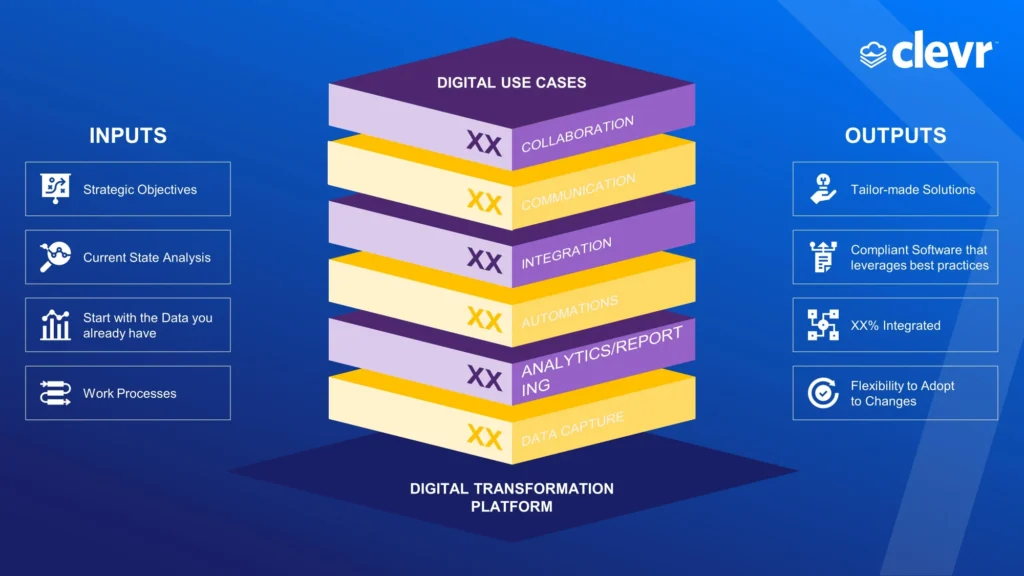
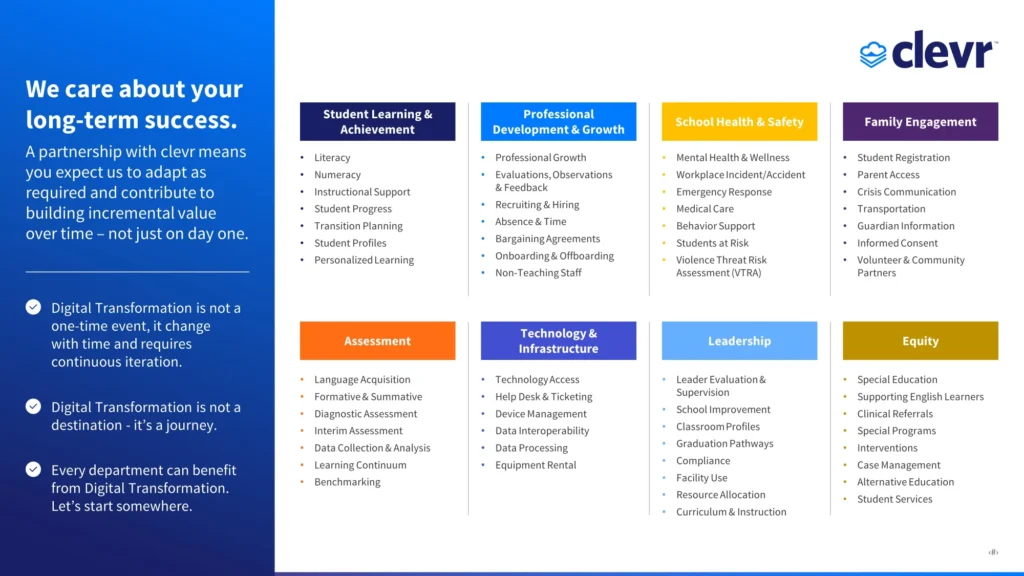
- Segment audience personas: build modular slide architectures that allow the same core deck to be tailored quickly for investors, enterprise buyers, or institutional education partners.
- Leverage brand color with restraint: Duolingo’s vibrant palette should energize slides without overwhelming data-heavy layouts or undermining executive credibility.
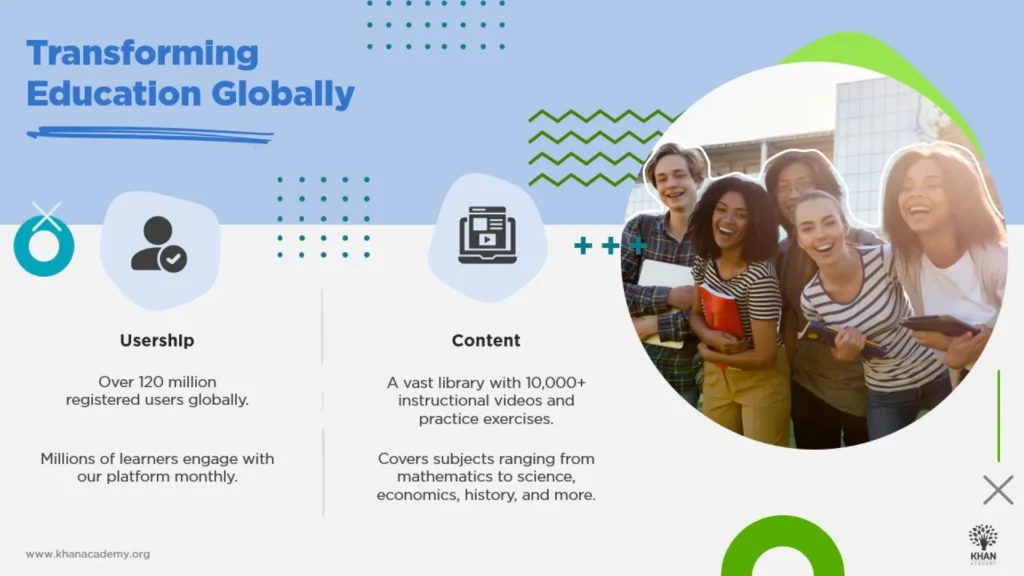
- Visualize learning outcomes: charts showing language-proficiency gains or learner-milestone distributions communicate impact far more powerfully than bullet-point claims alone.
- Establish market-size clarity: the global language-learning market is large and fragmented; a clear TAM/SAM/SOM framework helps investors contextualize opportunity without relying on narrative alone.
- Design for asynchronous review: decks sent ahead of meetings must be self-explanatory — concise annotations and strong slide titles ensure the story lands even without a presenter in the room.
In a category as competitive as edtech, a polished, strategically structured presentation is not a cosmetic upgrade — it is a trust signal. Decks that reflect the same care for clarity and user experience that a brand pours into its product tell stakeholders, before a single word is spoken, that this is a team that communicates with intention and operates with discipline.
Planning a presentation that has to land? SlideGenius designs custom, investor- and boardroom-ready decks for the world’s most demanding brands. See more of our presentation design portfolio, explore our PowerPoint design services, or contact us for a free quote.