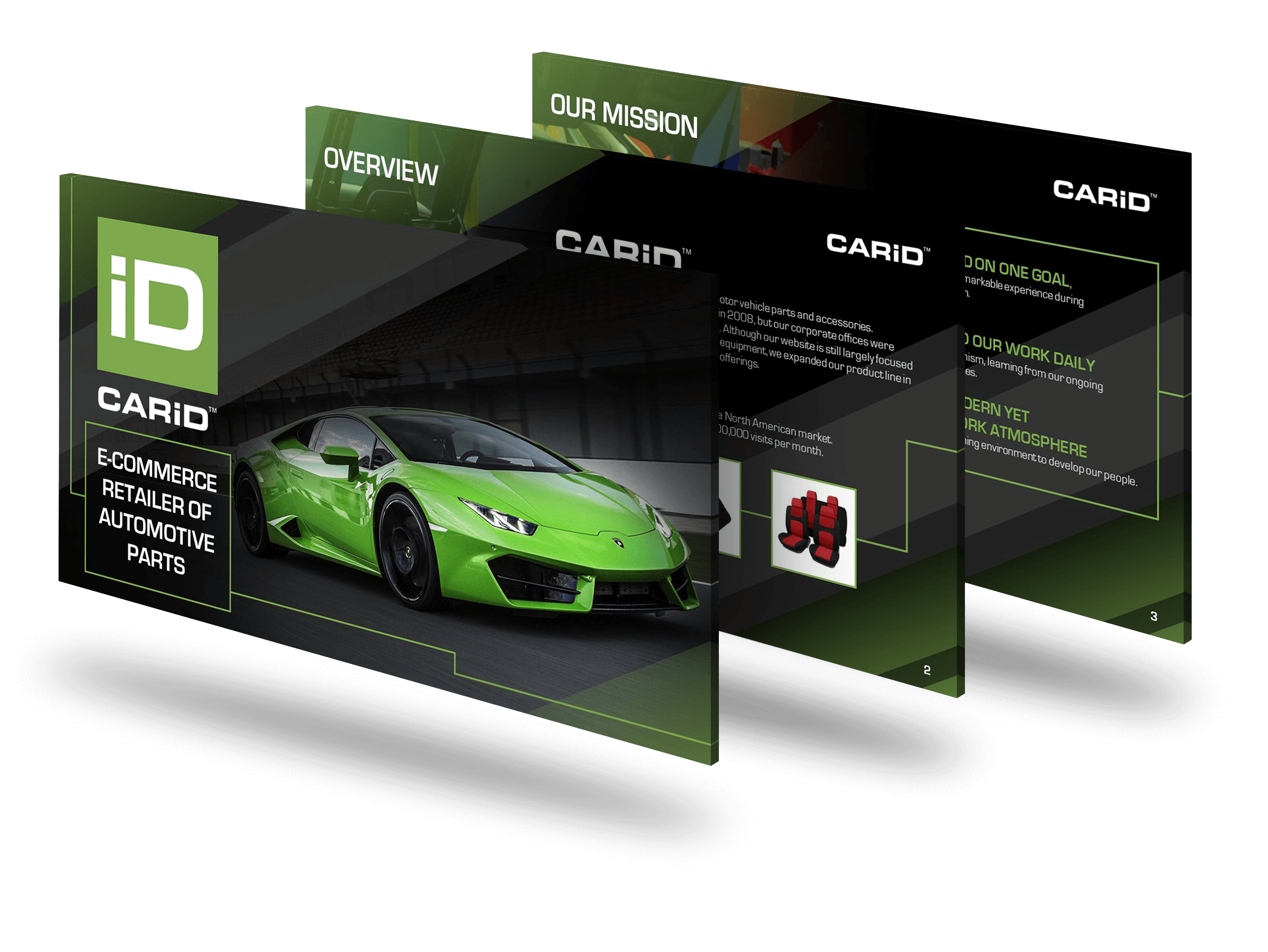
When designing a presentation for a webinar, several key elements should be considered to ensure it is engaging, informative, and effective.
- Audience Understanding: Know your audience’s demographics, interests, and level of knowledge about the topic. Tailor your content to meet their needs and expectations.
- Clear Objectives: Define the main goals of your presentation. What do you want your audience to learn or do after the webinar? Clear objectives will guide your content and design choices.
- Compelling Content: Structure your presentation with a strong opening, informative body, and a memorable conclusion. Use storytelling techniques to make your points more relatable and impactful.
- Visual Design: Use high-quality visuals that support your message. This includes professional graphics, relevant images, and consistent branding. Avoid clutter and ensure that each slide is visually appealing and easy to understand.
- Engagement Tools: Incorporate interactive elements such as polls, Q&A sessions, and chat features to keep your audience engaged. This interaction can make the webinar more dynamic and responsive to audience needs.
- Clarity and Simplicity: Keep text concise and to the point. Use bullet points, short sentences, and clear headings. Avoid overloading slides with information; instead, focus on key points and elaborate verbally.
- Technical Quality: Ensure that your presentation is compatible with the webinar platform. Test all multimedia elements like videos and animations beforehand to avoid technical issues during the live session.
- Practice and Timing: Rehearse your presentation multiple times to ensure smooth delivery. Pay attention to timing to make sure you cover all points within the allotted time without rushing.
By focusing on these elements, you can create a webinar presentation that is not only visually appealing but also highly effective in delivering your message and engaging your audience.
View Our Presentation Portfolio