An animation pitch book designed to attract companies should function as a complete creative and commercial argument for your project, condensed into a visually compelling document. At minimum, it needs to cover your concept overview, the visual style and tone, target audience demographics, character designs, story world, and a brief production plan. Companies evaluating pitches want to see that you understand both the creative vision and the business reality of making the project viable. A pitch book that nails the art but ignores budget, audience, or format suitability will consistently lose to one that addresses all dimensions with confidence and clarity.
The concept section is the spine of your pitch book. It should open with a logline — a single sentence, ideally under 25 words, that captures the show’s premise, protagonist, and central tension. Follow that with a longer series summary of roughly 150-200 words explaining the world, the emotional hook, and what makes it distinct from existing properties. This is where you pre-empt the most common rejection reason: ‘it feels like something we already have.’ Be specific about tone — whether the series is serialized or episodic, comedic or dramatic, grounded or surreal. Vague tone descriptions like ‘fun for all ages’ are red flags to experienced development executives who need to slot your show into a specific programming block.
Visual development is arguably the section companies spend the most time on, because it communicates fit almost instantly. Include character model sheets showing your main characters from multiple angles with expression charts. Show at least one background or environment illustration rendered in the final intended style — whether that’s 2D vector, hand-drawn, or 3D CG. Include a color palette reference and a brief style guide note explaining your influences without directly copying them. If your project is a 2D series, consider including two or three storyboard panels from a key scene to demonstrate how the visual language translates into motion. For a CG project, even rough grey-box 3D renders alongside your 2D concept art can reassure companies that the style is technically achievable within a reasonable budget range.
A strong pitch book also needs sections that address the business layer directly. Include a target audience page that specifies age range, viewing platform suitability (streaming, broadcast, YouTube), and comparable successful titles — for example, if your show targets 6-to-11-year-olds on streaming platforms, citing shows like ones with 52-episode first-season orders helps calibrate expectations. Add an episode structure page that clarifies episode length (11-minute, 22-minute, or short-form) and whether episodes are self-contained or arc-based. A short creator bio or studio credentials page establishes trust and answers the unspoken question of why you are the right team to make this.
- Open with a one-page ‘series at a glance’ summary so busy executives can grasp your concept in under 60 seconds before committing to the full document.
- Include a character relationship map or ensemble breakdown page showing how all main characters connect, which helps companies visualize long-term story potential across multiple seasons.
- Add an episodic premise page listing 5-8 episode titles with two-sentence descriptions, demonstrating that the concept has sustainable story engine and is not a one-arc idea.
- Show a tone board or mood board that uses non-copyright-infringing reference imagery to communicate lighting, color temperature, and emotional atmosphere without relying on written description alone.
- Include a brief competitive analysis of 3-4 currently airing comparable shows, noting specifically what gap in the market your series fills rather than simply listing surface similarities.
- Provide a production format summary that specifies the intended delivery format, approximate episode count per season, and whether the project is developed for co-production, full commission, or licensing, since different companies have different funding models.
- Close the document with a clear call-to-action page listing your contact information, development stage, and whether a pilot script, animatic, or proof-of-concept clip is available upon request.
The most important practical step after assembling your pitch book is to tailor it before every submission rather than sending a generic version. Research the company’s recent greenlit projects and adjust your comparable titles, audience language, and even page order to match their known priorities. A pitch book that references a company’s specific programming slate signals professionalism. Note that a pitch book alone is rarely sufficient for a full commission; it typically functions as the door-opener to get a development meeting, after which a pilot script or animatic becomes the next requirement. If your project is a short-form digital series rather than broadcast, prioritize the creator bio and proof-of-concept clip over extensive format documentation.
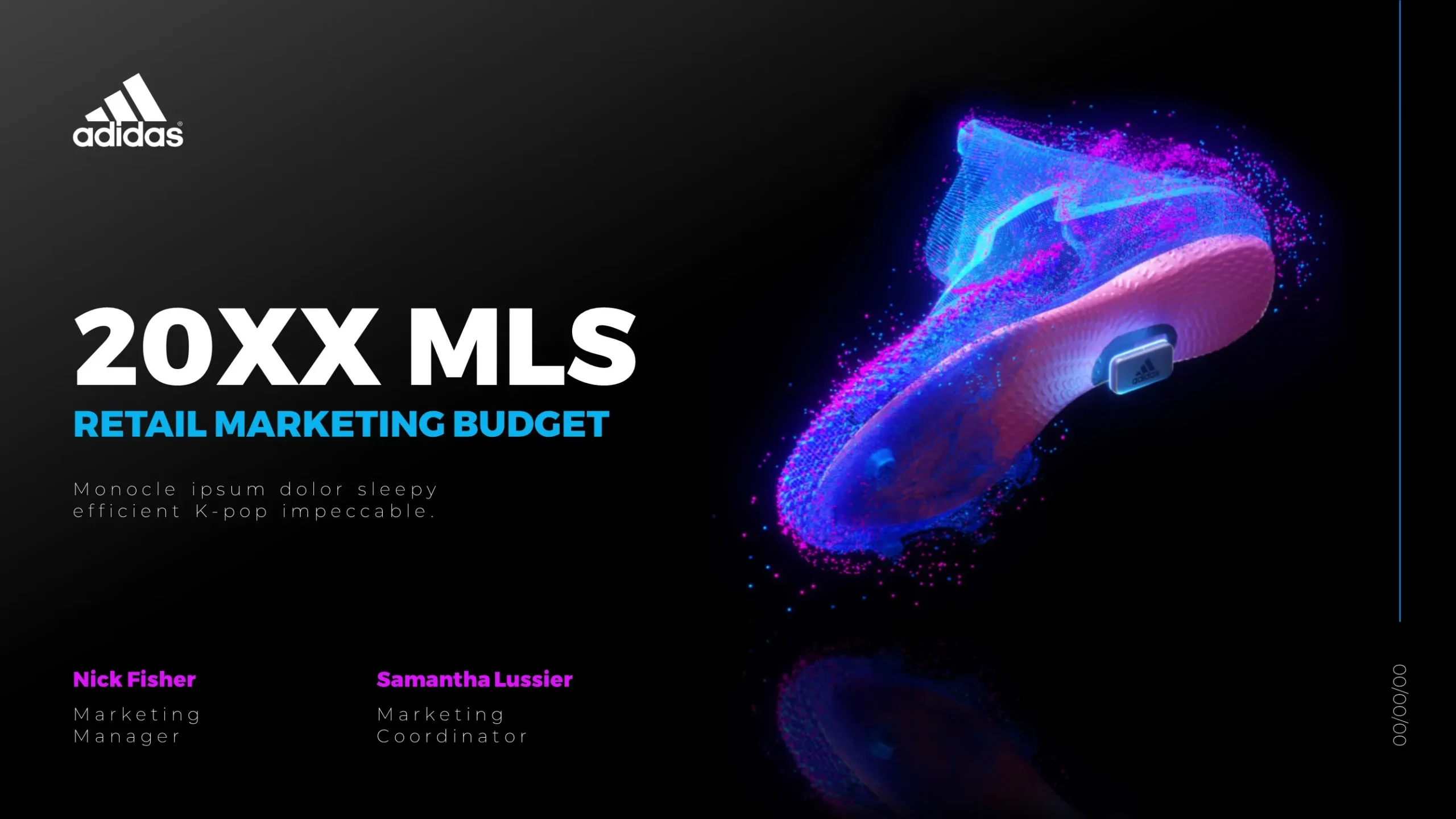
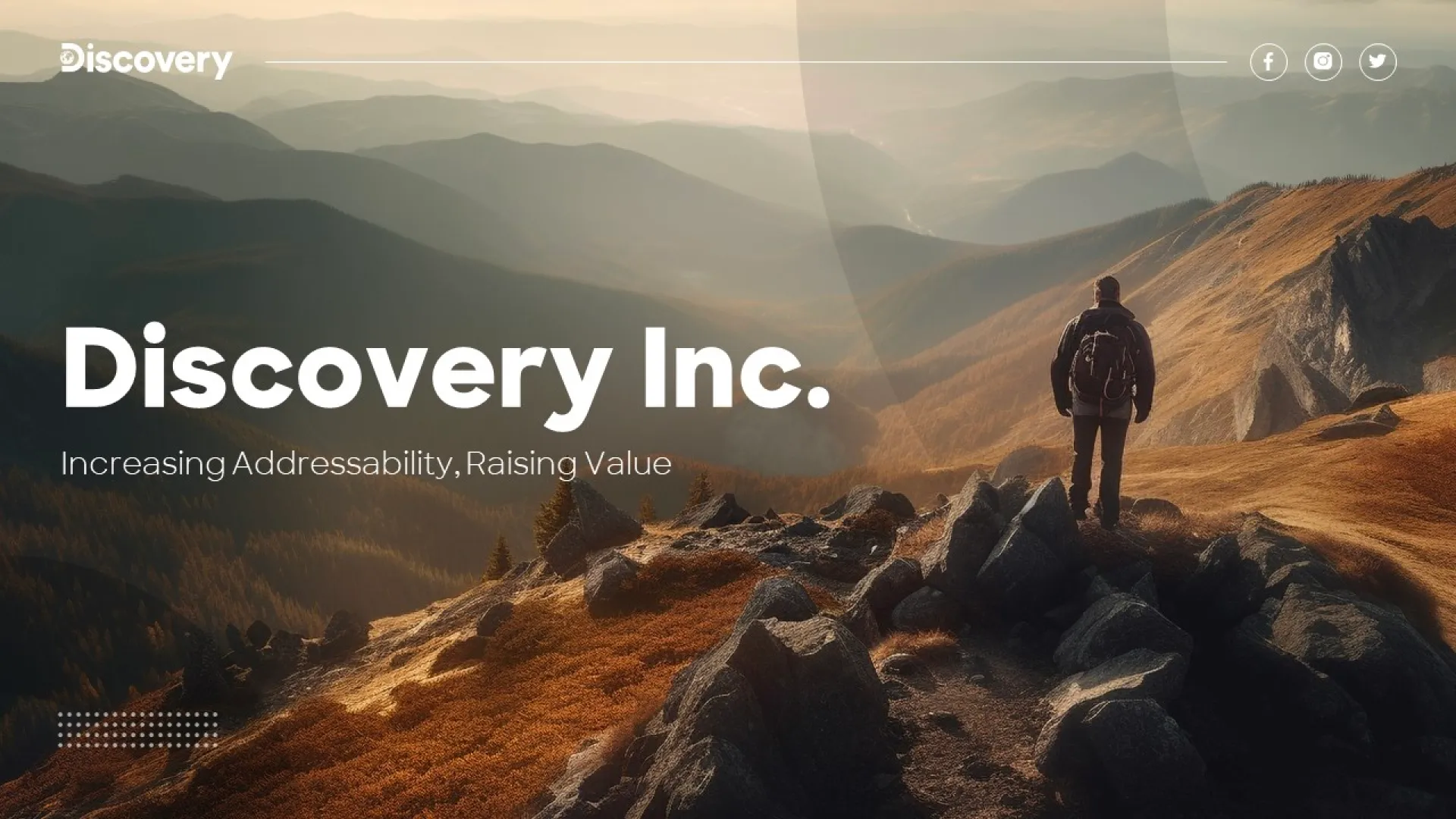
Need a presentation that wins the room? SlideGenius designs custom, high-impact decks for brands like Red Bull, Amazon, and Adidas. Browse our presentation design portfolio, explore our PowerPoint design services, or contact us for a free quote.