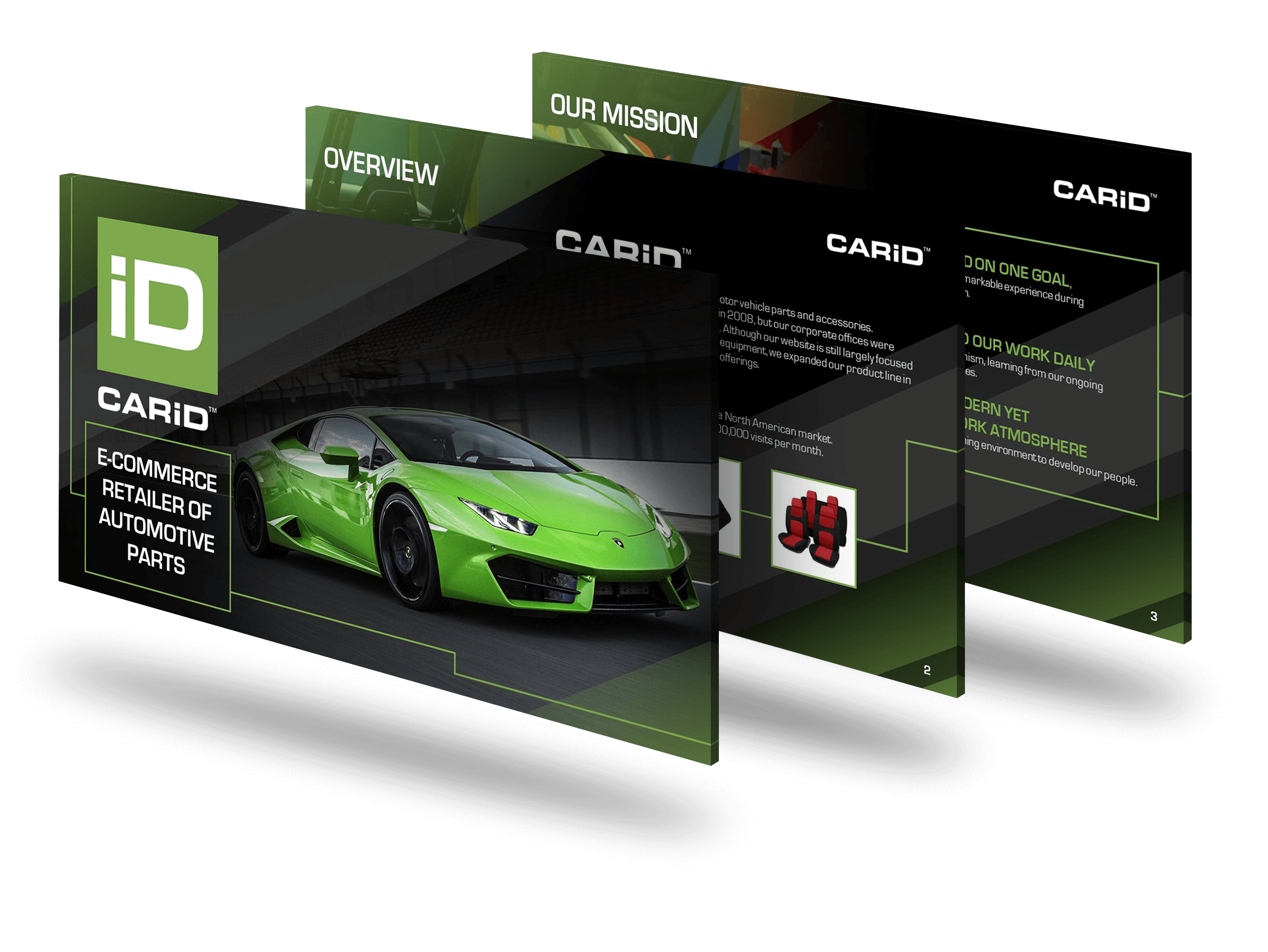
Creating a professional pitchbook template involves several key steps to ensure it effectively communicates your message and captures your audience’s attention. Here are some practical tips to get you started:
- Understand Your Audience: Tailor your design to the preferences and expectations of your target audience. Consider their industry, level of expertise, and what they value most in a presentation.
- Consistent Branding: Ensure your pitchbook aligns with your brand’s visual identity. Use your company’s color palette, fonts, and logo consistently throughout the template to create a cohesive look.
- Clear Structure: Organize your content logically. Start with a compelling introduction, followed by a clear problem statement, your solution, market analysis, business model, financial projections, and a strong conclusion.
- Visual Hierarchy: Use design elements like headings, subheadings, bullet points, and whitespace to guide the viewer’s eye through the content. Highlight key points with bold fonts or contrasting colors.
- Engaging Visuals: Incorporate high-quality images, infographics, and charts to make your data more digestible and engaging. Visuals can help break up text and keep your audience interested.
- Professional Layout: A clean, uncluttered layout is crucial. Avoid overcrowding slides with too much information. Each slide should convey one main idea clearly and concisely.
- Feedback and Iteration: Before finalizing your pitchbook, seek feedback from colleagues or mentors. Use their insights to refine your design and content.
For those who may not have the time or expertise to create a polished pitchbook template, seeking professional design assistance can be a game-changer. Expert designers can help you craft a visually appealing and effective pitchbook that stands out and resonates with your audience.
View Our Presentation Portfolio