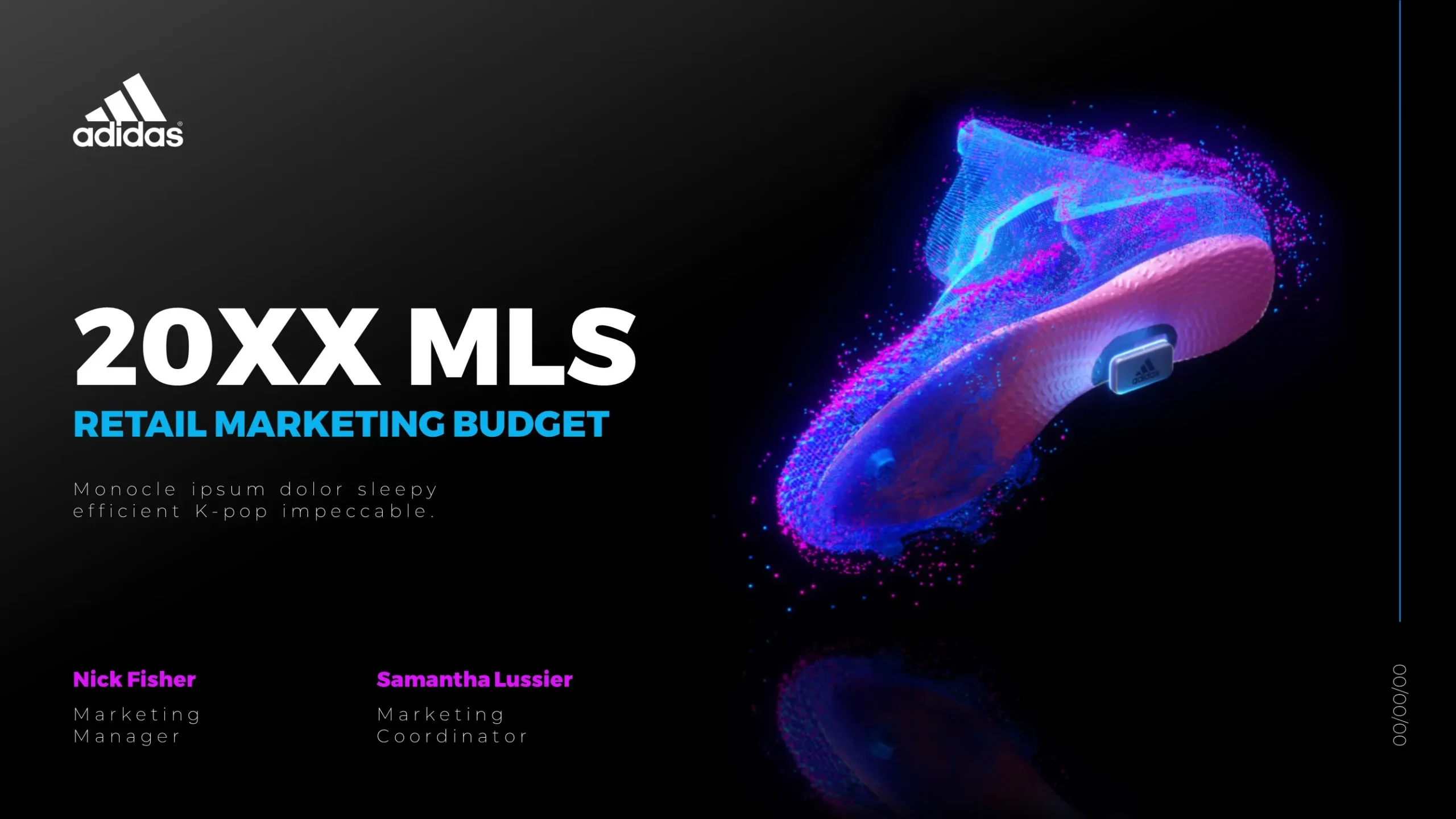
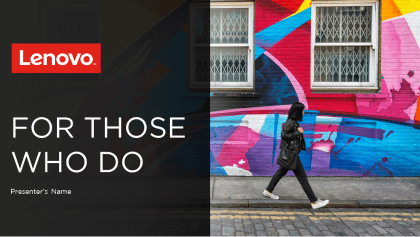
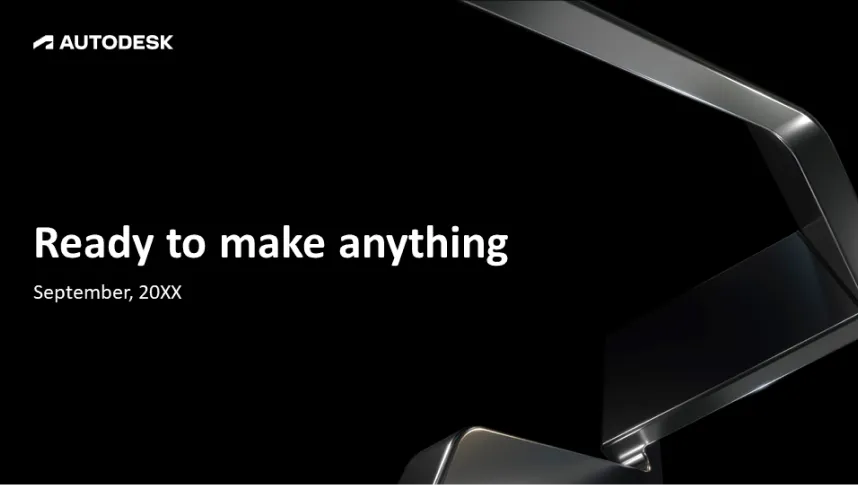
When looking for mobile app development PowerPoint templates that create visually appealing presentations, the best options combine clean UI-inspired layouts, device mockup slides, user-flow diagrams, and data visualization sections. A strong template for this niche typically includes slide decks with smartphone frame overlays so you can showcase app screens directly within the presentation, color schemes that reflect modern mobile UI trends (think Material Design or iOS Human Interface Guidelines aesthetics), and icon libraries tailored to app features like navigation, notifications, and gestures. These elements together ensure your deck communicates technical concepts while remaining engaging to both technical and non-technical audiences.
Understanding what makes a mobile app development template genuinely useful goes beyond surface aesthetics. The best templates are built around the typical structure of an app pitch or development update: a problem statement slide, competitive landscape comparison, wireframe or prototype showcase, tech stack overview, sprint roadmap, and monetization model. A template that includes pre-built layouts for each of these sections saves significant time and ensures visual consistency throughout the entire presentation. Common mistakes include choosing a template that looks flashy but lacks functional section diversity, forcing presenters to heavily customize generic business slides that were never designed with app development storytelling in mind.
There are meaningful tradeoffs between free and premium templates worth considering. Free templates from repositories like SlidesCarnival or Google Slides template galleries often lack device mockup frames and may use low-resolution graphics that look pixelated on large projector screens. Premium options — particularly those in the 15 to 30 dollar range on dedicated template marketplaces — typically include editable vector mockups for iPhone 15 Pro, Android Pixel-style frames, tablet layouts, and smartwatch screens, giving you far more versatility. Widescreen 16:9 ratio is now the standard minimum, but the best modern templates also include a 4:3 version for older conference room projectors, which is a practical detail many template buyers overlook until it is too late.
- Look for templates that include at least 30 unique slide layouts so you have dedicated options for wireframe showcases, sprint timelines, and app feature comparison tables without improvising from scratch.
- Choose templates that offer device mockup frames as editable vector shapes, allowing you to swap in real app screenshots at any resolution without quality loss during projection.
- Prioritize decks with a built-in color palette of five or fewer coordinated colors, which reflects mobile UI best practices and keeps slides from feeling visually cluttered during fast-paced demos.
- Select templates that include a user journey or app flow diagram slide, since communicating how users navigate your app is one of the most persuasive elements in any development pitch.
- Look for icon sets included directly within the template file — ideally 50 or more flat-style icons — so you never have to source external assets that may conflict stylistically with the rest of the deck.
- Consider templates that include a dark mode variant alongside the standard light version, as dark backgrounds dramatically improve visibility of app UI screenshots and are widely preferred in tech-focused presentations.
- Evaluate whether the template includes an animated slide version, since subtle entrance animations on device mockups and chart reveals can significantly increase audience engagement during live demos without requiring advanced PowerPoint skills.
The practical takeaway is to start by mapping out the exact slides your presentation needs — problem, solution, UI showcase, roadmap, team, and call to action — then filter templates that have pre-built layouts matching those exact sections rather than choosing based on cover slide visuals alone. A strong next step is to download two or three candidate templates as trial files, paste in a single real app screenshot, and evaluate how the device mockup and color scheme hold up under actual content. Keep in mind that these templates work best for pitch decks and stakeholder updates; for purely internal developer handoff documentation, a dedicated design tool like Figma or Notion is usually more appropriate than a presentation template.
Need a presentation that wins the room? SlideGenius designs custom, high-impact decks for brands like Red Bull, Amazon, and Adidas. Browse our presentation design portfolio, explore our PowerPoint design services, or contact us for a free quote.