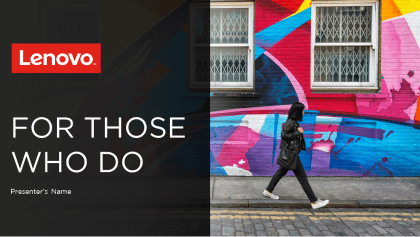
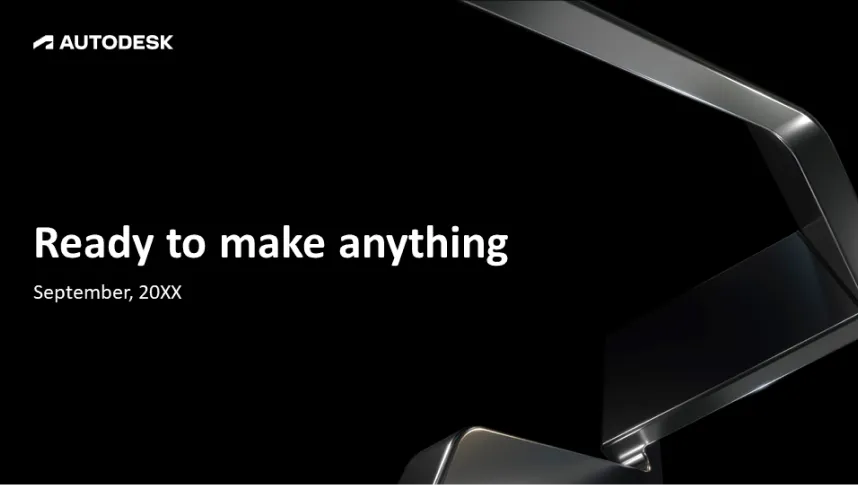
Adobe InDesign is a powerful desktop publishing tool that many designers use to create polished, print-ready presentations that go far beyond what standard slide software can offer. By leveraging InDesign’s precise typographic controls, master page system, and robust layout grid tools, you can build presentation decks that feel cohesive, brand-consistent, and visually sophisticated. Unlike traditional slideshow applications, InDesign treats every element — text, image, color, and shape — as a precisely positioned object, giving you pixel-perfect control over your final output, whether you export to PDF, EPUB, or an interactive format.
Before diving into slide creation, it’s important to understand how InDesign structures multi-page documents. Each ‘slide’ in InDesign is simply a page in your document. You begin by setting up a custom document size — a standard widescreen presentation uses a 1920 × 1080 pixel canvas (or equivalent in inches: 20 × 11.25 in at 96 ppi). Using the Master Pages panel (found under the Pages panel), you define reusable layouts — background colors, logo placement, footer text, and page number indicators — that automatically apply to any page you designate. This is the single most time-saving feature in InDesign for presentations, because a single edit to a master page instantly updates every slide using that layout.
A common mistake beginners make is skipping the baseline grid and paragraph styles setup. InDesign’s Paragraph Styles and Character Styles panels allow you to define a ‘Heading 1’ style with a specific font, size, leading, and color, then apply it consistently across all your slides. If a client requests a font change from 36pt to 40pt across all headings, one style edit updates everything instantly. Similarly, setting up a baseline grid (via Preferences → Grids, typically set to 12pt or 14pt intervals) ensures that text across multi-column layouts aligns horizontally, which gives even complex slides a clean, structured appearance. Ignoring these tools leads to manually adjusted text boxes that drift out of alignment as edits accumulate.
- Set your document to 1920 × 1080 pixels at 96 ppi with facing pages turned off, which perfectly mirrors modern widescreen display and projector aspect ratios.
- Create at least three master page variations — a title slide layout, a content layout, and a full-bleed image layout — to cover the most common slide types without redundant manual formatting.
- Use the Place command (File → Place) to import high-resolution images as linked files, keeping your InDesign file lightweight while ensuring print-quality visuals in every exported PDF.
- Apply Object Styles to recurring elements like callout boxes, data labels, or icon containers so that resizing or recoloring a single style updates every instance across the deck automatically.
- Use InDesign’s built-in Color Themes tool or import a swatch library from your brand guidelines to ensure all accent colors match exact hex or Pantone values throughout every slide.
- When exporting, choose Interactive PDF (File → Export → Adobe PDF Interactive) if you need clickable hyperlinks or page-transition effects visible in full-screen PDF reader mode.
- Use the Data Merge feature for presentations that require personalized versions — for example, generating 50 individualized proposal decks from a single InDesign template connected to a CSV data source.
To get started immediately, download a free InDesign presentation template sized at 1920 × 1080 px, examine how its master pages and paragraph styles are structured, and rebuild it from scratch once using your own brand colors and fonts. This exercise teaches you the workflow faster than any tutorial. Keep in mind that InDesign presentations are best suited for high-stakes, design-heavy decks — pitch books, brand proposals, annual reports — rather than quick internal updates. For simple day-to-day meetings, a standard slide application will likely be faster. But when visual quality matters, InDesign delivers results that are genuinely difficult to replicate elsewhere.
Need a presentation that wins the room? SlideGenius designs custom, high-impact decks for brands like Red Bull, Amazon, and Adidas. Browse our presentation design portfolio, explore our PowerPoint design services, or contact us for a free quote.