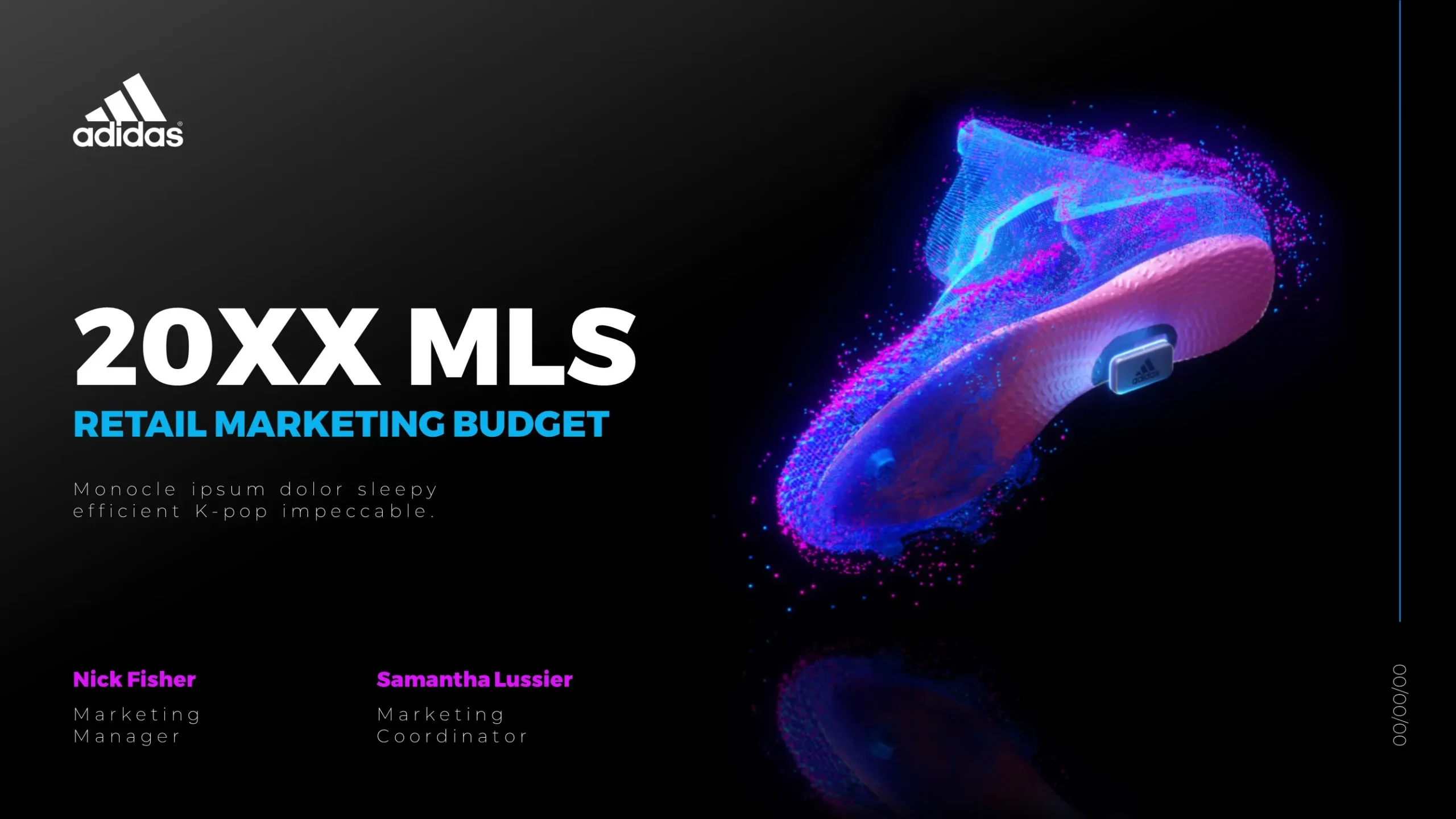
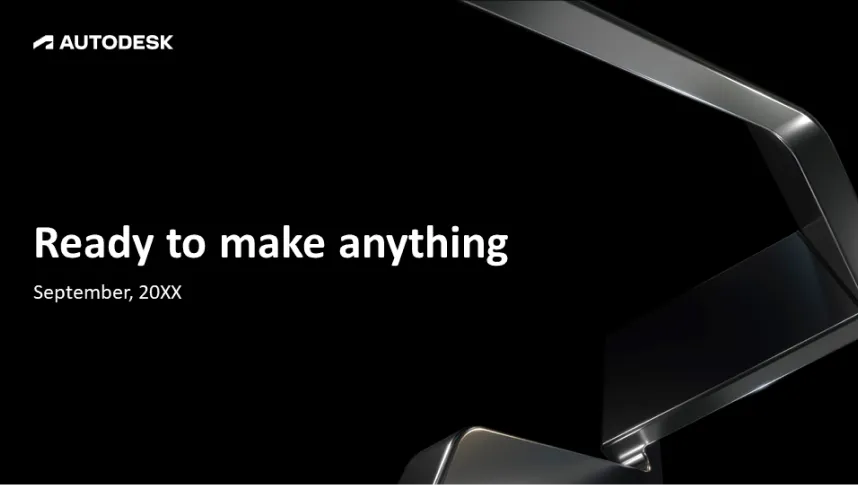
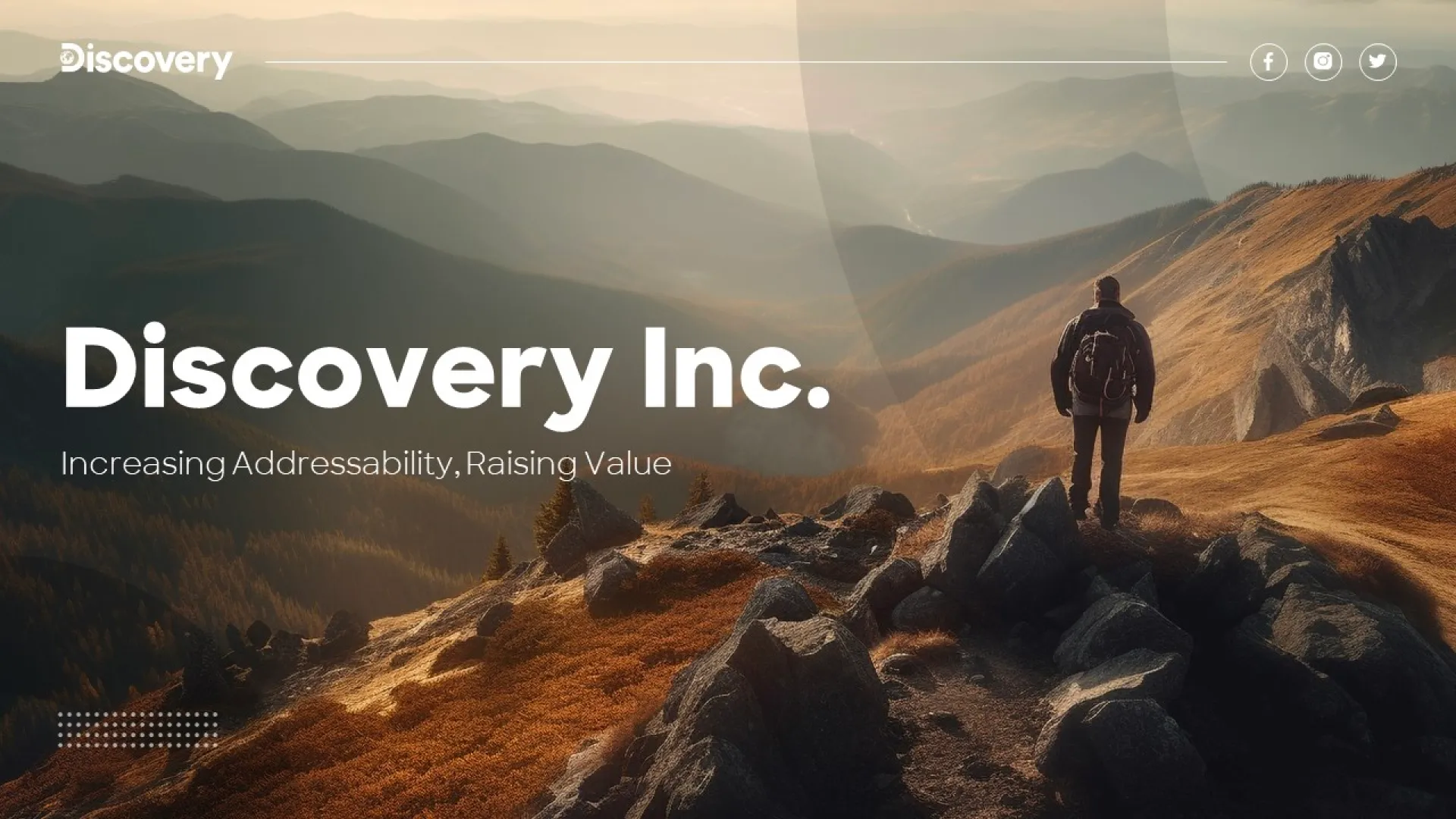
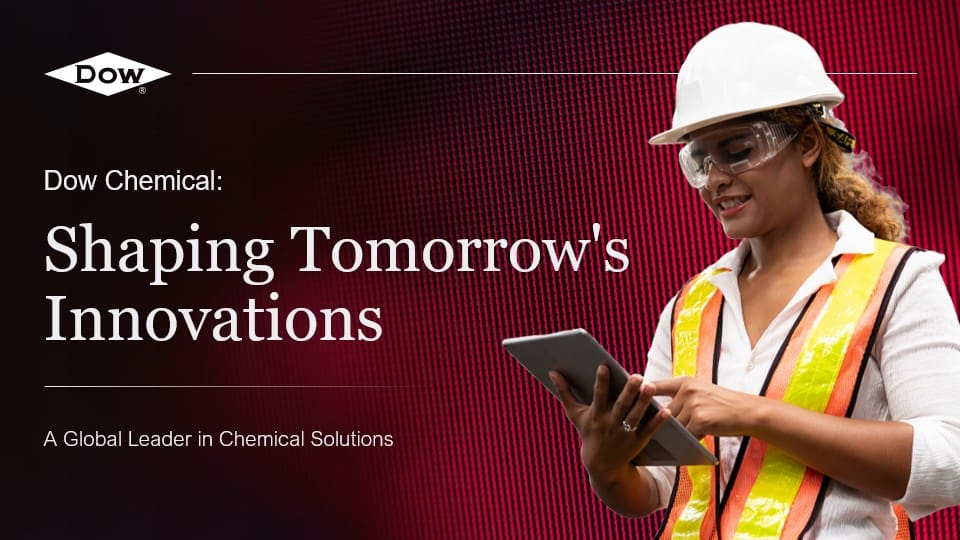
Using mockups for branding purposes gives designers, marketers, and business owners a powerful way to visualize and communicate brand identity before committing to expensive production runs. A mockup places your logo, color palette, or packaging design onto a realistic three-dimensional representation of a product — such as a coffee cup, tote bag, business card, or storefront sign — so stakeholders can evaluate how a brand will look in the real world. This process eliminates guesswork, reduces costly revisions after manufacturing, and allows teams to align on visual direction quickly and confidently, even when no physical prototype exists yet.
One of the most significant benefits of mockups in branding is their ability to support faster, clearer decision-making across teams and clients. When a brand designer presents a flat logo on a white background, it can be difficult for non-designers to imagine how that mark will translate onto merchandise, signage, or digital channels. A well-constructed mockup bridges that gap by providing environmental context. For example, placing a wordmark on a realistic kraft-paper bag immediately communicates texture, scale, and color contrast in a way that a flat file simply cannot. This shared visual understanding shortens feedback loops and reduces the number of revision cycles needed before approval.
Mockups also play a critical role in brand consistency testing. Before a brand style guide is finalized, designers can use mockups to stress-test how a color palette performs across both light and dark surfaces, how a logo holds up at small sizes on a pen or a favicon, and whether a chosen typeface remains legible in embossed or printed formats. For instance, a brand using a deep navy with gold accents might look striking on a laptop sleeve mockup but appear muddy on a matte-finish business card — a problem that mockups reveal without spending money on physical samples. Catching these inconsistencies early protects the integrity of the brand across all touchpoints.
From a business and marketing perspective, mockups are indispensable for creating pitch decks, investor presentations, social media content, and crowdfunding campaigns. Startups routinely use product mockups to generate pre-launch buzz on platforms like Instagram, presenting fully branded packaging or merchandise before a single unit has been manufactured. This approach saves thousands of dollars in photography and product-sample costs while still delivering polished, professional visuals that build audience trust and validate demand.
- Placing your logo on a realistic coffee cup mockup lets clients immediately evaluate how brand colors and typography translate to physical merchandise, avoiding expensive reprints after production.
- Testing your packaging design on a mockup of a folding box at multiple angles reveals structural issues — like text getting lost in a fold — before sending files to a printer.
- Using a storefront window mockup during a rebrand project helps stakeholders approve signage scale and font weight without waiting for a costly vinyl installation mock-up on location.
- Creating a series of social media mockups — phone screens, billboard placements, and tote bags — in a single brand presentation demonstrates full visual coherence across every customer touchpoint at once.
- Running A/B tests on two packaging color variants using mockups, before any physical samples are ordered, can save a small business between $500 and $2,000 in sample and shipping costs.
- Sharing a branded stationery mockup set — letterhead, envelope, and business card — with a client early in the project anchors their expectations and reduces scope-creep revisions later in the process.
- Applying your brand to a realistic apparel mockup, such as an embroidered hoodie or a screen-printed tee, shows how thread color limitations or print area sizing will affect the final design outcome.
The practical takeaway is straightforward: incorporate mockups as early as the concept phase of any branding project, not just at the final presentation stage. Start with free or low-cost mockup resources that match your specific product category, then layer in your brand assets at accurate scale. Keep in mind that mockups have limits — they cannot fully replicate tactile qualities like paper weight, embossing depth, or fabric feel, so physical prototypes are still essential before any large production run. For purely digital branding projects, however, mockups often eliminate the need for physical samples entirely, making them one of the highest-ROI tools in a brand designer’s workflow.
Need a presentation that wins the room? SlideGenius designs custom, high-impact decks for brands like Red Bull, Amazon, and Adidas. Browse our presentation design portfolio, explore our PowerPoint design services, or contact us for a free quote.