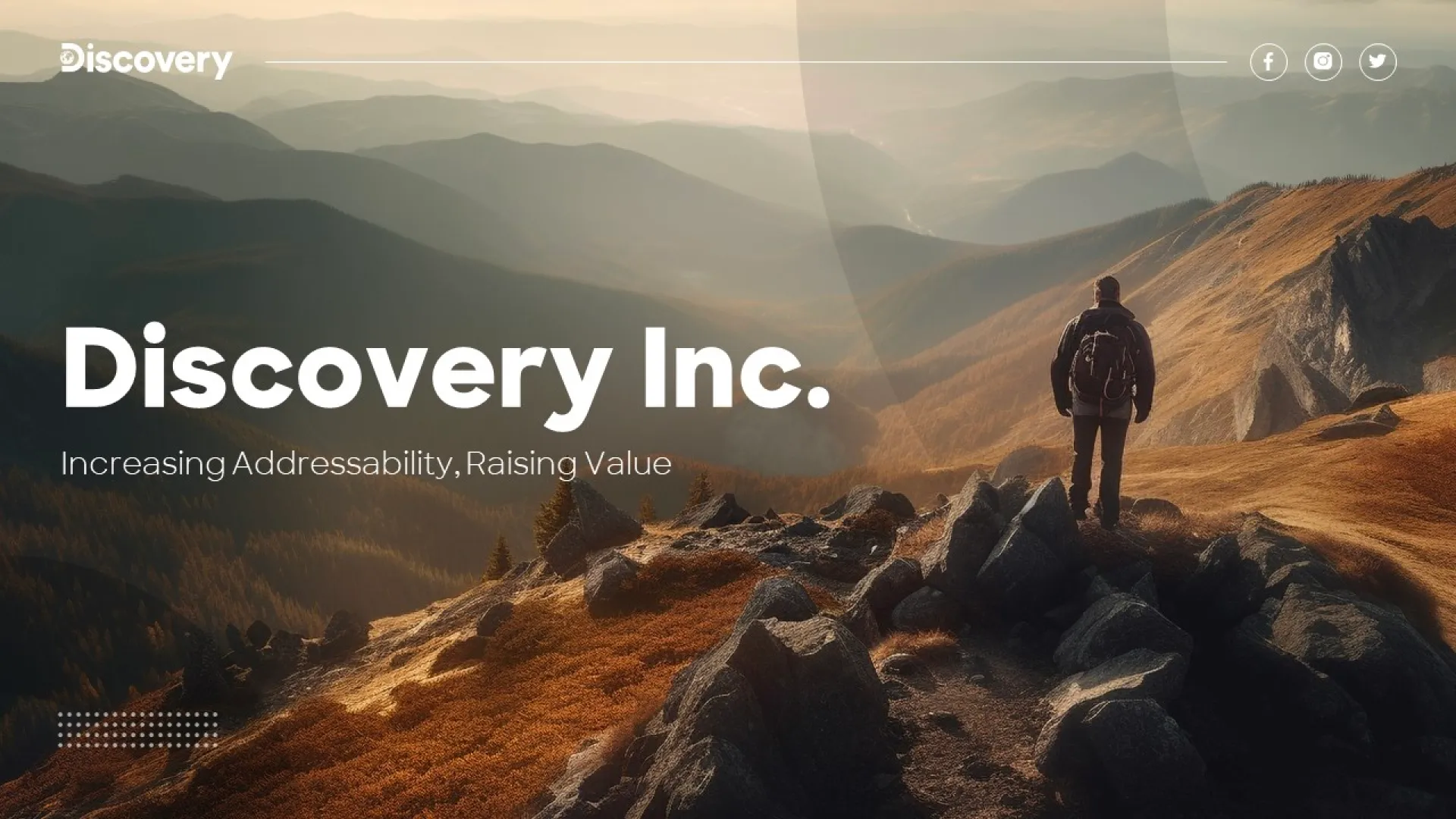
An effective influencer marketing pitch deck must communicate your campaign’s value proposition, strategy, and expected results in a way that persuades brand decision-makers or agency partners to say yes. The most successful pitch decks combine a compelling narrative with hard data, presenting your audience insights, content capabilities, and partnership terms in a logical, visually coherent flow. Rather than simply listing your follower count, a strong deck tells a story — from the problem a brand faces in reaching its audience, to how your influence bridges that gap, to the measurable outcomes you will jointly achieve. Every slide should serve a strategic purpose and move the reader closer to a commitment.
The foundation of any influencer pitch deck is a clear brand-fit analysis. This section demonstrates that you understand the brand’s existing positioning, target demographic, and competitive landscape before asking for anything in return. Include a slide that maps your audience demographics — age range, geographic concentration, income bracket, primary interests — directly against the brand’s known customer profile. For example, if your audience skews 72% female, aged 25–34, living in urban metros with a household income above $75,000, and the brand sells premium skincare, that alignment is your most persuasive opening argument. Generic decks skip this step; winning decks make the overlap undeniable with real numbers.
Many creators make the mistake of burying their performance metrics or omitting them entirely out of fear they appear inadequate. In reality, engagement rate, average reach per post, story completion rate, and link-click-through rate are far more meaningful to marketing managers than raw follower counts. A creator with 45,000 followers and a 6.8% engagement rate consistently outperforms one with 500,000 followers at 0.4%. Include a dedicated analytics slide sourced directly from your platform’s creator dashboard — Instagram Insights, TikTok Analytics, or YouTube Studio — with data covering at least the past 90 days. Showing month-over-month growth trends signals that your channel is actively scaling rather than stagnating.
- Open with a one-slide executive summary that states your niche, your audience size, your engagement benchmark, and the single strongest campaign outcome you have delivered for a past partner.
- Include a ‘Brand Fit’ slide that overlaps your top three audience demographics with the brand’s stated target customer profile, using side-by-side data tables for immediate visual clarity.
- Dedicate a full slide to past campaign case studies, including specific metrics like a 340% spike in profile visits or a 12% conversion rate on a tracked affiliate link from a previous collaboration.
- Present at least two content concept ideas — complete with proposed formats, posting schedule, and platform distribution — so the brand visualizes what the partnership actually looks like in execution.
- Include a clear deliverables and timeline slide that outlines exactly how many posts, stories, reels, or videos are included, with draft submission and go-live dates mapped to a calendar.
- Add a transparent compensation slide that breaks down your flat fee, usage rights terms, exclusivity window, and any performance bonus structure tied to specific KPIs like sales or click targets.
- Close with a ‘Why Now’ slide that ties your proposal to a seasonal moment, a trending topic, or a product launch window, creating urgency for the decision-maker to act quickly rather than defer.
A pitch deck that includes all these elements but runs longer than 12–15 slides risks losing decision-makers who skim rather than read. Keep each slide to a single idea and use visuals — charts, audience heatmaps, content mock-ups — wherever data appears. Your immediate next step should be to pull your platform analytics into a spreadsheet, identify your top three performing posts from the last 90 days, and build your case study slide around those results first, since that slide is the one most often cited as the deciding factor in brand approvals. Note that this deck format is less effective for micro-creator gifting campaigns, where a one-page media kit is typically sufficient and a full deck can feel disproportionate.
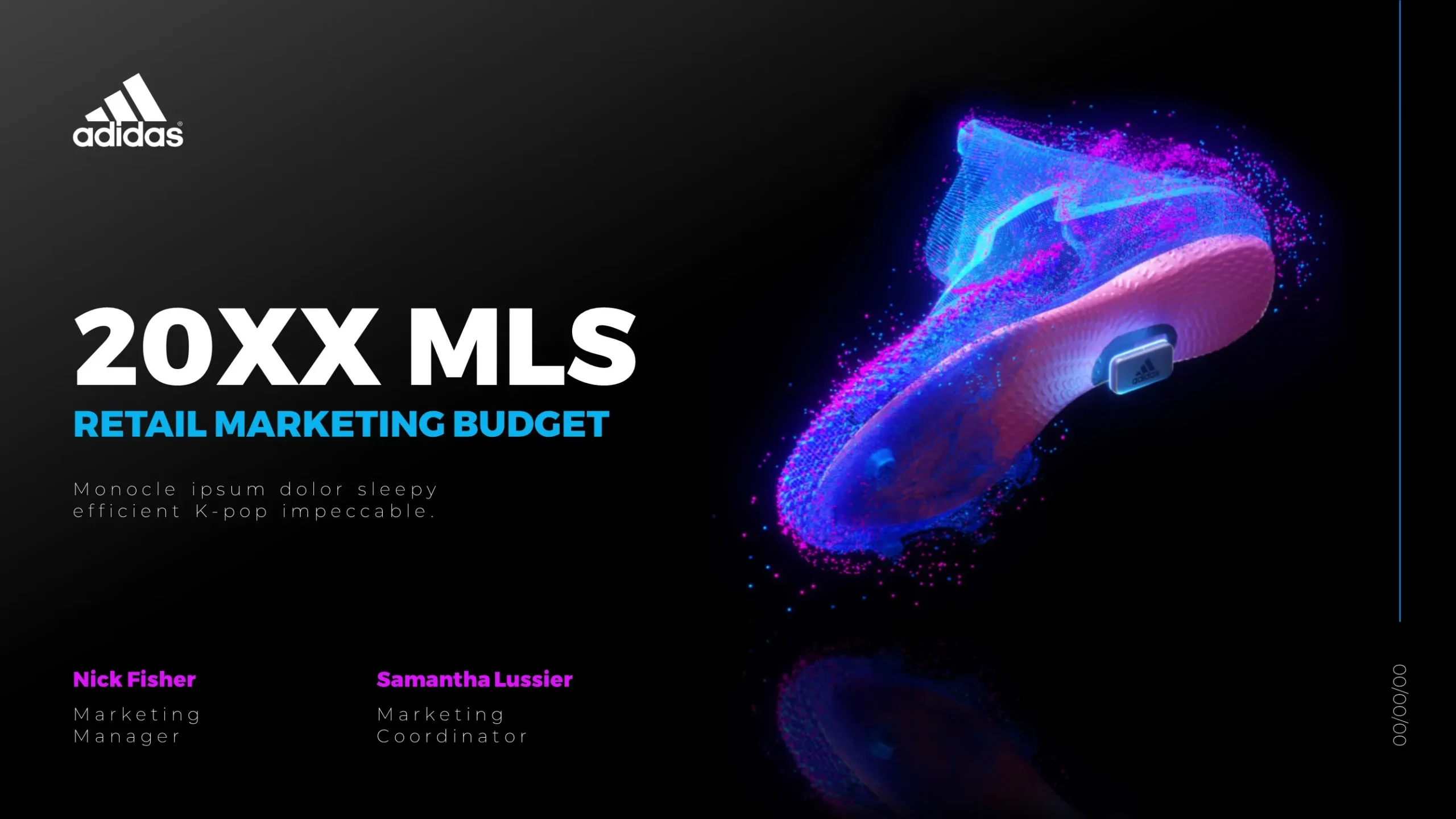
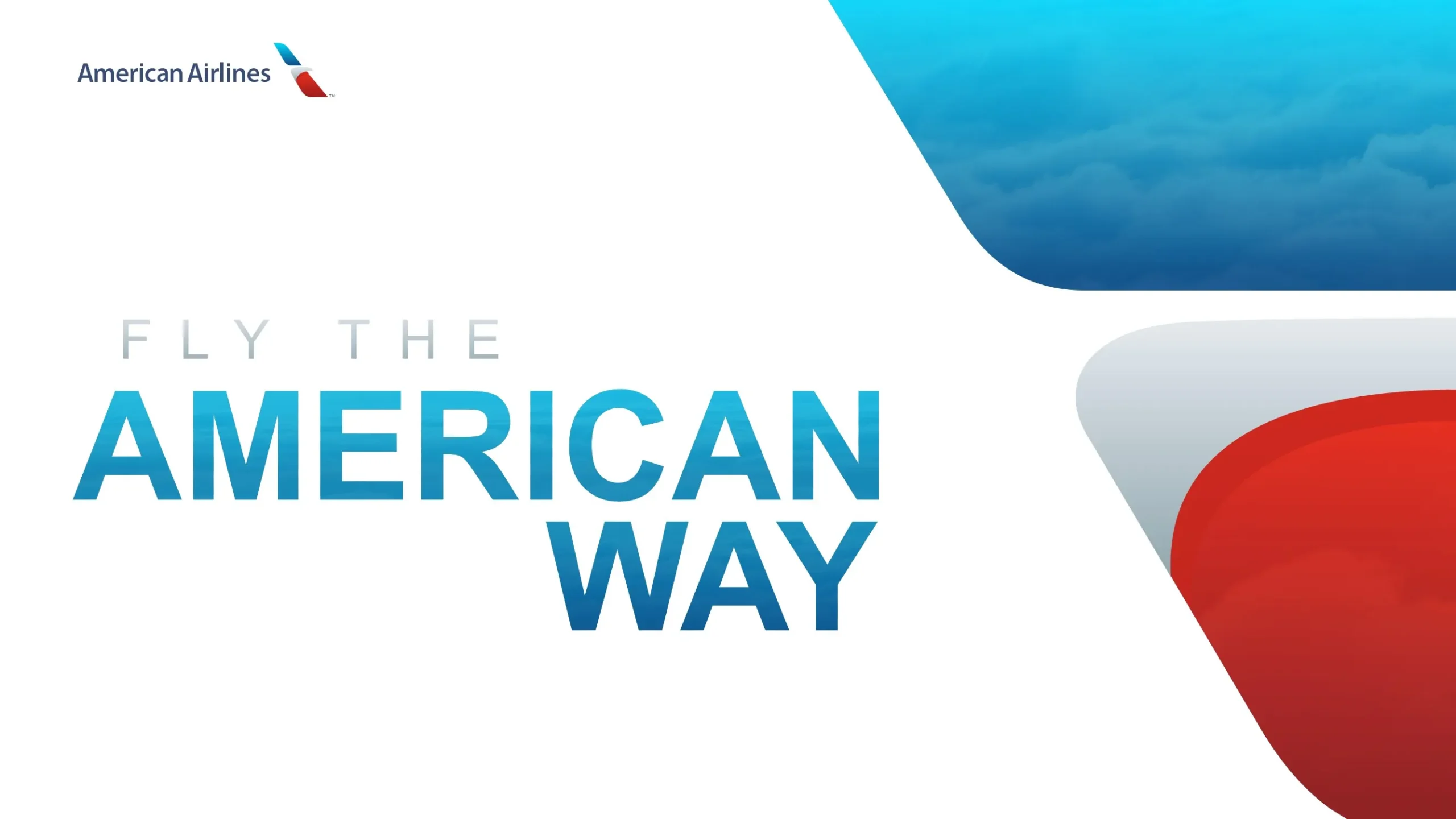
Need a presentation that wins the room? SlideGenius designs custom, high-impact decks for brands like Red Bull, Amazon, and Adidas. Browse our presentation design portfolio, explore our PowerPoint design services, or contact us for a free quote.